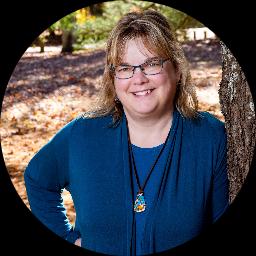
About Michelle
Michelle Pellin is a licensed mental health counselor who helps people facing stress, anxiety, parenting challenges, depression, and issues with self-esteem. She also supports those coping with life changes, addiction, trauma, grief, relationship and intimacy concerns, and attention-related struggles. Michelle practices in Connecticut and offers services in English, including to international clients.
Michelle brings 11 years of professional experience and two master’s degrees, one in Behavioral Medicine and Health Psychology and one in Human Services and Counseling.
Background and approach
Before focusing on counseling, she spent many years as a therapeutic foster parent and a case manager advocating for people with acquired brain injuries, physical challenges, and elder care needs. That background shaped her practical, people-first approach. In sessions she listens without judgment and treats clients with dignity and respect.
She combines gentle guidance with collaborative decision making, letting each person set the pace and goals. The work often includes learning new coping skills, changing unhelpful thinking patterns, and practicing simple behavior changes. Her methods draw from Acceptance and Commitment Therapy, cognitive behavioral techniques, client-centered listening, dialectical behavior skills, and mindfulness practices.
Michelle blends these tools to match what each person needs rather than using a one-size-fits-all plan. Michelle emphasizes whole-person health of mind, body, and spirit. She encourages building supportive routines, keeping moments of joy, and practicing self-kindness.
Michelle aims to help people find clearer direction and greater calm as they move forward.
How Michelle’s approaches translate to online therapy
Acceptance and Commitment Therapy (ACT) focuses on helping people notice difficult thoughts and feelings without getting stuck in them, then choose actions that match their values. It can help with anxiety, depression, and big life changes. Cognitive Behavioral Therapy (CBT) identifies unhelpful thinking patterns and teaches practical strategies to change those thoughts and behaviors, which often helps with mood, sleep, and stress. Client-Centered Therapy centers on listening and empathy, giving people space to explore what matters to them while the therapist follows their lead.Choosing the right approach is part of the work. Michelle will talk with clients about goals, preferences, and what feels helpful. Together they’ll try approaches and adjust them over time so therapy matches each person’s needs and pace.
Online therapy offers several practical benefits. Video calls let clients see visual cues and have fuller conversations, while phone sessions are useful when bandwidth or camera use is limited. Live chat and text-based messaging work well for brief check-ins, skill practice, or when someone prefers written communication. These options make it easier to fit sessions into busy schedules and to connect from different locations.
Frequently asked questions
What concerns does Michelle address?
How would she describe her therapeutic style?
What is her clinical background?
What credentials and location are listed?
Which languages are available for sessions?
What session formats does she use?
How does cost and billing work?
What are the first steps to begin working together?
Specialties and expertise
Top specialties
- Stress, Anxiety
- Parenting issues
- Self esteem
Also works with
- Abandonment
- Addictions
- ADHD
- Adoption and foster care
- Aging and geriatric issues
- Anger management
- Attachment issues
- Autism and Asperger Syndrome
- Avoidant personality
- BDSM, kink, and alternative sex culture
- Bipolar disorder
- Blended family issues
- Body image
- Cancer
- Career difficulties
- Caregiver issues and stress
- Chronic pain, illness, and disability
- Co-morbidity
- Coaching
- Codependency
- Commitment issues
- Communication problems
- Compassion fatigue
- Control issues
- Coping with life changes
- Coping with natural or human-caused disaster
- Dependent personality
- Depression
- Disruptive Mood Dysregulation Disorder (DMDD)
- Dissociation
- Divorce and separation
- Domestic violence
- Drug and alcohol addiction
- Eating and food-related issues
- Eating disorders
- Emptiness
- Family conflicts
- Family of origin issues
- Family problems
- Fatherhood issues
- Fertility issues
- First responder issues
- Forgiveness
- Gender dysphoria
- Grief
- Guilt and shame
- Hearing impaired
- HIV / AIDS
- Hospice and end-of-life counseling
- Impulsivity
- Infidelity
- Intellectual disability
- Intimacy-related issues
- Isolation / loneliness
- Jealousy
- LGBT
- Life purpose
- Men's issues
- Midlife crisis
- Money and financial issues
- Mood disorders
- Multicultural concerns
- Obsessions, compulsions, and OCD
- Panic disorder and panic attacks
- Paranoia
- Personality disorders
- Phobias
- Polyamory / non-monogamous relationships
- Post-traumatic stress
- Postpartum depression
- Pregnancy and childbirth
- Prejudice and discrimination
- Relationship issues
- Seasonal Affective Disorder (SAD)
- Self-harm
- Self-love
- Sexual assault and abuse
- Sexuality
- Sleeping disorders
- Social anxiety and phobia
- Trauma and abuse
- Traumatic brain injury
- Veteran and Armed Forces Issues
- Visually impaired
- Women's issues
- Workplace issues
- Young adult issues
Therapeutic approaches
- Experience
- 11 years
- Licensed
- Connecticut, Florida
- Languages
- English