
Miriam Perrin, LMHC
Florida · 16 yrs in practice
Works with Stress, Anxiety / Relationship / Trauma and abuse +7
Works by Cognitive Behavioral Therapy (CBT) / Solution-Focused Therapy
Read profileTherapist listings come from BetterHelp. We will earn a commission if you sign up through a link on this page, at no extra cost to you, and it does not change the order of the listings.
Explore clinician profiles that list codependency as a focus, with details about therapeutic approaches, credentials, and languages. Browse the listings below to compare counseling styles and find professionals who match your needs.
Florida · 16 yrs in practice
Works with Stress, Anxiety / Relationship / Trauma and abuse +7
Works by Cognitive Behavioral Therapy (CBT) / Solution-Focused Therapy
Read profile
Florida · 20 yrs in practice · 2 languages
Works with Stress, Anxiety / Addictions / Relationship +17
Works by Acceptance and Commitment Therapy (ACT) / Attachment-Based Therapy
Read profile
Florida · 25 yrs in practice · 2 languages
Works with Relationship / Trauma and abuse / Grief +13
Works by Client-Centered Therapy / Eye Movement Desensitization and Reprocessing (EMDR)
Read profile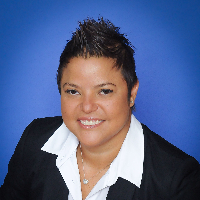
Florida · 21 yrs in practice
Works with Stress, Anxiety / Addictions / LGBT +10
Works by Acceptance and Commitment Therapy (ACT) / Client-Centered Therapy
Read profile
Florida · 23 yrs in practice
Works with Stress, Anxiety / Addictions / Self esteem +11
Works by Client-Centered Therapy / Cognitive Behavioral Therapy (CBT)
Read profile
New York · 5 yrs in practice · 2 languages
Works with Stress, Anxiety / LGBT / Trauma and abuse +13
Works by Acceptance and Commitment Therapy (ACT) / Attachment-Based Therapy
Read profile
Pennsylvania · 12 yrs in practice
Works with Stress, Anxiety / Relationship / Self esteem +12
Works by Client-Centered Therapy / Cognitive Behavioral Therapy (CBT)
Read profile
New York · 11 yrs in practice
Works with Stress, Anxiety / Grief / Self esteem +9
Works by Acceptance and Commitment Therapy (ACT) / Attachment-Based Therapy
Read profile
Florida · 26 yrs in practice
Works with Stress, Anxiety / Relationship / Anger +14
Works by Client-Centered Therapy / Cognitive Behavioral Therapy (CBT)
Read profile
Florida · 10 yrs in practice
Works with Relationship / Family / Self esteem +5
Works by Client-Centered Therapy / Cognitive Behavioral Therapy (CBT)
Read profile
Florida · 30 yrs in practice
Works with Stress, Anxiety / Relationship / Trauma and abuse +15
Works by Acceptance and Commitment Therapy (ACT) / Client-Centered Therapy
Read profile
Pennsylvania · 10 yrs in practice
Works with Stress, Anxiety / Relationship / Grief +9
Works by Cognitive Behavioral Therapy (CBT) / Dialectical Behavior Therapy (DBT)
Read profile
Indiana · 8 yrs in practice
Works with Stress, Anxiety / Addictions / Family +16
Works by Acceptance and Commitment Therapy (ACT) / Attachment-Based Therapy
Read profile
Florida · 20 yrs in practice
Works with Addictions / Relationship / Trauma and abuse +15
Works by Acceptance and Commitment Therapy (ACT) / Attachment-Based Therapy
Read profile
Florida · 17 yrs in practice
Works with Stress, Anxiety / Trauma and abuse / Eating +15
Works by Acceptance and Commitment Therapy (ACT) / Client-Centered Therapy
Read profile
Florida · 19 yrs in practice
Works with Stress, Anxiety / Family / Grief +13
Works by Acceptance and Commitment Therapy (ACT) / Client-Centered Therapy
Read profile
Florida · 24 yrs in practice
Works with Stress, Anxiety / Addictions / Grief +15
Works by Acceptance and Commitment Therapy (ACT) / Client-Centered Therapy
Read profile
New York · 36 yrs in practice
Works with Stress, Anxiety / Family / Parenting +8
Works by Client-Centered Therapy / Cognitive Behavioral Therapy (CBT)
Read profile
Florida · 16 yrs in practice
Works with Stress, Anxiety / Trauma and abuse / Self esteem +7
Works by Attachment-Based Therapy / Client-Centered Therapy
Read profile
Florida · 26 yrs in practice
Works with Stress, Anxiety / Addictions / LGBT +2
Read profile
Florida · 20 yrs in practice
Works with Stress, Anxiety / Relationship / Grief +2
Works by Acceptance and Commitment Therapy (ACT) / Attachment-Based Therapy
Read profile
Florida · 25 yrs in practice
Works with Stress, Anxiety / Relationship / Trauma and abuse +3
Works by Cognitive Behavioral Therapy (CBT) / Dialectical Behavior Therapy (DBT)
Read profile
Florida · 17 yrs in practice
Works with Stress, Anxiety / Addictions / LGBT +12
Works by Client-Centered Therapy / Cognitive Behavioral Therapy (CBT)
Read profile
Indiana · 11 yrs in practice
Works with Stress, Anxiety / Addictions / Trauma and abuse +15
Works by Client-Centered Therapy / Cognitive Behavioral Therapy (CBT)
Read profile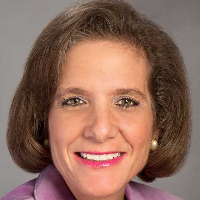
Florida · 20 yrs in practice
Works with Stress, Anxiety / Relationship / Grief +2
Works by Acceptance and Commitment Therapy (ACT) / Client-Centered Therapy
Read profile
Florida · 35 yrs in practice
Works with Stress, Anxiety / Family / Grief +17
Works by Attachment-Based Therapy / Client-Centered Therapy
Read profile
New Jersey · 9 yrs in practice
Works with Stress, Anxiety / Addictions / Self esteem +16
Works by Client-Centered Therapy / Cognitive Behavioral Therapy (CBT)
Read profile
Florida · 9 yrs in practice
Works with Stress, Anxiety / Addictions / Self esteem +10
Works by Client-Centered Therapy / Cognitive Behavioral Therapy (CBT)
Read profile
Florida · 11 yrs in practice
Works with Stress, Anxiety / Addictions / Relationship +2
Read profile
Florida · 10 yrs in practice
Works with Stress, Anxiety / Addictions / Relationship +8
Works by Client-Centered Therapy / Cognitive Behavioral Therapy (CBT)
Read profile
Florida · 25 yrs in practice
Works with Stress, Anxiety / Addictions / Trauma and abuse +15
Works by Client-Centered Therapy / Cognitive Behavioral Therapy (CBT)
Read profile
Florida · 30 yrs in practice
Works with Stress, Anxiety / Family / Trauma and abuse +15
Works by Client-Centered Therapy / Cognitive Behavioral Therapy (CBT)
Read profile
New York · 7 yrs in practice
Works with Addictions / Relationship / Trauma and abuse +7
Works by Client-Centered Therapy / Cognitive Behavioral Therapy (CBT)
Read profile
Florida · 25 yrs in practice
Works with Stress, Anxiety / Relationship / Intimacy-related issues +1
Works by Client-Centered Therapy / Cognitive Behavioral Therapy (CBT)
Read profile
Iowa · 9 yrs in practice
Works with Trauma and abuse / Grief / Anger +11
Works by Acceptance and Commitment Therapy (ACT) / Attachment-Based Therapy
Read profile
Arizona · 10 yrs in practice
Works with Stress, Anxiety / Addictions / Relationship +15
Works by Acceptance and Commitment Therapy (ACT) / Attachment-Based Therapy
Read profile
Iowa · 9 yrs in practice
Works with Stress, Anxiety / Trauma and abuse / Grief +13
Works by Acceptance and Commitment Therapy (ACT) / Client-Centered Therapy
Read profile
New York · 10 yrs in practice · 2 languages
Works with Stress, Anxiety / Family / Self esteem +6
Works by Acceptance and Commitment Therapy (ACT) / Client-Centered Therapy
Read profile
Florida · 25 yrs in practice
Works with Stress, Anxiety / Relationship / Family +14
Read profile
Washington · 22 yrs in practice
Works with Stress, Anxiety / Relationship / Family +12
Works by Attachment-Based Therapy / Client-Centered Therapy
Read profile
Florida · 34 yrs in practice
Works with Stress, Anxiety / Family / Parenting +12
Works by Client-Centered Therapy / Cognitive Behavioral Therapy (CBT)
Read profile
Florida · 11 yrs in practice
Works with Stress, Anxiety / Family / Trauma and abuse +14
Works by Acceptance and Commitment Therapy (ACT) / Client-Centered Therapy
Read profile
Rhode Island · 20 yrs in practice
Works with Stress, Anxiety / Relationship / Family +15
Works by Acceptance and Commitment Therapy (ACT) / Cognitive Behavioral Therapy (CBT)
Read profile
Florida · 8 yrs in practice
Works with Stress, Anxiety / Addictions / Trauma and abuse +15
Works by Attachment-Based Therapy / Client-Centered Therapy
Read profile
Massachusetts · 10 yrs in practice
Works with Stress, Anxiety / LGBT / Relationship +11
Works by Acceptance and Commitment Therapy (ACT) / Attachment-Based Therapy
Read profile
New York · 11 yrs in practice
Works with Stress, Anxiety / Family / Eating +7
Works by Cognitive Behavioral Therapy (CBT)
Read profile
New York · 7 yrs in practice
Works with Addictions / Relationship / Intimacy-related issues +4
Works by Cognitive Behavioral Therapy (CBT) / Motivational Interviewing
Read profile
Florida · 8 yrs in practice
Works with Stress, Anxiety / Family / Parenting +2
Works by Client-Centered Therapy / Cognitive Behavioral Therapy (CBT)
Read profileCodependency is a pattern of thinking and behaving that can shape the way you relate to yourself and to others. It often develops in relationships where one person takes on a caretaking role and another is more focused on their own needs or struggles, but it can also arise from childhood experiences, cultural expectations, or long-term relationship dynamics. Over time you may notice that your sense of self becomes tied to another person's emotions, choices, or approval. That can leave you feeling drained, resentful, anxious, or unsure of your own boundaries.
People who experience codependency commonly describe difficulty asserting their needs, a strong fear of abandonment, or a tendency to minimize their own emotions so they can manage someone else. You might find yourself trying to fix problems for others, shaping your schedule around someone else’s moods, or staying in a relationship longer than feels healthy because you worry about the consequences of leaving. While codependency is not a medical diagnosis, understanding these patterns can help you see where change might be possible. Recognizing the cycle is the first step toward shifting toward more balanced relationships and a clearer sense of your own priorities.
If you are wondering whether therapy could help, pay attention to how often you feel like your emotional life is governed by someone else. You may feel compelled to rescue or control others, or you might sacrifice personal goals to keep peace in a relationship. Chronic guilt or feeling responsible for other people’s happiness are common experiences. You might tolerate disrespect, avoid conflict at great personal cost, or continually seek reassurance that you are doing the right thing. These patterns can show up across romantic partnerships, family relationships, friendships, and workplace interactions.
Emotional signs that suggest therapy could be useful include persistent anxiety about relationships, difficulty identifying your own emotions, and low self-esteem tied to relational roles. Behavioral signs can include repeated cycles of enabling, staying in unhealthy dynamics, or difficulty setting limits with others. If these patterns interfere with your daily life, work, or sense of wellbeing, working with a clinician who focuses on codependency can provide perspective and strategies. Therapy offers a space to examine how past experiences shaped your relational habits and to practice different approaches to connecting with others.
In early sessions you can expect a clinician to ask about your relationship history, current concerns, and goals for change. You will likely talk about specific situations where codependent patterns appear and explore the emotions that come with those situations. Therapy often moves at a pace that balances reflection with practical skills. You may work on learning to notice triggers, labelling emotions, and experimenting with new ways of communicating. Therapists commonly encourage homework between sessions so you can practice boundary-setting or self-care strategies in real life and reflect on the outcomes.
There are many therapeutic approaches that people find helpful for codependency. You may work with cognitive-behavioral techniques to identify unhelpful thoughts and replace them with more balanced perspectives. Some clinicians use relational or psychodynamic approaches to explore how early relationships shaped current patterns. Others incorporate mindfulness-based strategies to help you stay present with difficult feelings without immediately reacting. Group therapy can offer a community context for practicing boundaries and receiving feedback from others who face similar challenges. When reading profiles, note descriptions like therapists who list CBT among their approaches or therapists who list psychodynamic therapy among their approaches to understand what practitioners emphasize. Those descriptions do not confirm specific credentials, but they can help you find a therapeutic style that resonates with you.
Online therapy can make it easier to access clinicians who focus on codependency, especially if local options are limited or if you prefer the convenience of remote sessions. You can expect video or phone sessions that follow a similar structure to in-person work - assessment, goal-setting, skill-building, and reflection. Online sessions allow you to practice new relationship skills in the context of your real life, since you remain in your usual environment between sessions. Many people appreciate being able to schedule around work or family responsibilities and to choose clinicians who speak their language or specialize in particular relational issues.
When considering online therapy, think about where you will sit during a session and how you will create a comfortable environment for candid conversation. It helps to have a quiet area where you can focus without interruptions and to set expectations with household members beforehand. Privacy of the session is important, so you might use headphones or close a door. Online work can also facilitate continuity if you move or travel, and it expands your options for finding a therapist who lists codependency among their specialties. Online therapy is not the same as emergency support, so if you are experiencing a crisis you should follow local emergency guidance.
Choosing a therapist is a personal decision and you should look for someone whose approach and demeanor feel compatible with your goals. Read clinician profiles to learn about the issues they list, the therapeutic approaches they describe, and the populations they work with. Pay attention to whether a therapist mentions working with relationship dynamics, family systems, or trauma-related concerns if those areas are relevant to you. Many profiles also note languages spoken and general experience areas. Keep in mind that phrases like therapists who list EMDR among their approaches or therapists who list DBT among their approaches describe what clinicians may use in practice but do not imply specific certification.
Consider what matters most for how you want to work - whether you prefer a directive clinician who teaches skills, a reflective clinician who explores patterns, or a therapist who combines both. Think about logistics that affect your comfort - for example whether you prefer in-person sessions in a comfortable environment or remote sessions. You might also ask about typical session structure and how your therapist measures progress. Trust your instincts about rapport; a good match often comes down to whether you feel heard and respected during early interactions. Choosing a therapist who aligns with your needs can help you build more balanced relationships and a stronger sense of self over time.
Seeking help for codependency is a step toward reclaiming your sense of identity and improving the quality of your relationships. With thoughtful exploration and the right therapeutic fit, you can develop clearer boundaries, healthier communication patterns, and greater emotional resilience. Use the listings above to find clinicians who describe codependency as a focus and whose approaches feel like a good match for your goals.
Arizona
7 therapists
California
11 therapists
Connecticut
8 therapists
Florida
1340 therapists
Georgia
11 therapists
Hawaii
38 therapists
Illinois
16 therapists
Indiana
143 therapists
Iowa
57 therapists
Louisiana
6 therapists
Maryland
6 therapists
Massachusetts
133 therapists
Minnesota
6 therapists
Missouri
12 therapists
Nebraska
14 therapists
Nevada
5 therapists
New Hampshire
7 therapists
New Jersey
17 therapists
New York
517 therapists
North Carolina
11 therapists
Ohio
13 therapists
Oregon
9 therapists
Pennsylvania
14 therapists
Rhode Island
21 therapists
South Carolina
10 therapists
Texas
27 therapists
Utah
12 therapists
Virginia
10 therapists
Washington
204 therapists
Wisconsin
6 therapists