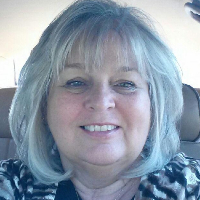
About Carol
Dr. Carol Parham is a licensed mental health counselor in Florida with 16 years of experience. She focuses on helping people who are facing stress, anxiety, depression, and life transitions.
Her approach aims to make therapy feel practical and understandable for people under pressure. She uses a mix of approaches that center on relationships, thoughts, and emotions. That includes Attachment-Based work to look at how early bonds affect current behavior.
Background and approach
She also uses Client-Centered methods to keep sessions focused on each person's goals. In sessions she helps people process trauma and rebuild self-esteem. Conversations often include looking at behaviors that keep problems going and trying small changes that make a daily difference.
She addresses issues such as grief, anger, family conflict, and parenting strain in an approachable way. She also pays attention to specific life concerns like abandonment, adoption and foster care history, aging and geriatric matters, and attachment difficulties. Practical tools and clearer communication skills are common goals in therapy with her.
People who prefer thoughtful, collaborative work tend to do well with her style. She balances emotional understanding with concrete steps clients can take between sessions. Sessions are offered in English and are available through a variety of online formats.
Therapeutic approaches and online care
Attachment-Based Therapy focuses on how early relationships shape current reactions. It helps people understand patterns of closeness, trust, and avoidance so they can try new ways of connecting and responding. Client-Centered Therapy centers the session on each person's goals and lived experience, offering empathy and listening so individuals can find their own answers. Cognitive Behavioral Therapy (CBT) looks at the links between thoughts, feelings, and behaviors and teaches practical skills to reduce anxiety, manage anger, or change unhelpful thinking.Figuring out the right approach is a collaborative process. The therapist will talk with each person about goals, preferences, and what has or hasn't helped before. Together they choose or adapt methods so work in therapy matches the client’s needs and pace.
Online formats include video calls, phone sessions, live chat, and text-based messaging to fit different schedules and communication styles. Video calls work well for in-depth conversation and visual cues. Phone sessions can be easier when bandwidth is low or a shorter check-in is needed. Live chat and text messaging are useful for quick updates, brief support, or when typing feels more comfortable than speaking. These options aim to make therapy more flexible and easier to use alongside daily life.
Frequently asked questions
What kinds of problems does she address?
What is her general therapy style?
How much clinical experience does she have?
What credential and location information applies?
Which languages are available for sessions?
Can people outside the U.S. work with her?
What session formats are offered?
How do I get started with therapy?
Specialties and expertise
Top specialties
Also works with
- Abandonment
- Adoption and foster care
- Aging and geriatric issues
- Anger management
- Attachment issues
- Blended family issues
- Codependency
- Commitment issues
- Communication problems
- Coping with life changes
- Depression
- Divorce and separation
- Family conflicts
- Family problems
- Forgiveness
- Grief
- Guilt and shame
- Impulsivity
- Life purpose
- Paranoia
- Parenting issues
- Post-traumatic stress
- Relationship issues
- Self-love
- Social anxiety and phobia
- Workplace issues
- Young adult issues
Therapeutic approaches
- Experience
- 16 years
- Licensed
- Florida
- Languages
- English