
Dr. Daniella Jackson, LMHC
Florida · 20 yrs in practice · 2 languages
Works with Stress, Anxiety / Addictions / Relationship +17
Works by Acceptance and Commitment Therapy (ACT) / Attachment-Based Therapy
Read profileTherapist listings come from BetterHelp. We will earn a commission if you sign up through a link on this page, at no extra cost to you, and it does not change the order of the listings.
Browse therapists who list guilt and shame among their specialty areas to explore approaches, credentials, languages, and experience. Use the listings below to find clinicians whose focus and methods match what you need.
Review profiles and learn more about common approaches to find a therapeutic fit before reaching out.
Florida · 20 yrs in practice · 2 languages
Works with Stress, Anxiety / Addictions / Relationship +17
Works by Acceptance and Commitment Therapy (ACT) / Attachment-Based Therapy
Read profile
Florida · 25 yrs in practice · 2 languages
Works with Relationship / Trauma and abuse / Grief +13
Works by Client-Centered Therapy / Eye Movement Desensitization and Reprocessing (EMDR)
Read profile
Pennsylvania · 12 yrs in practice
Works with Stress, Anxiety / Relationship / Self esteem +12
Works by Client-Centered Therapy / Cognitive Behavioral Therapy (CBT)
Read profile
New York · 11 yrs in practice
Works with Stress, Anxiety / Grief / Self esteem +9
Works by Acceptance and Commitment Therapy (ACT) / Attachment-Based Therapy
Read profile
New York · 9 yrs in practice
Works with Stress, Anxiety / Anger / Self esteem +14
Works by Acceptance and Commitment Therapy (ACT) / Client-Centered Therapy
Read profile
Florida · 26 yrs in practice
Works with Stress, Anxiety / Relationship / Anger +14
Works by Client-Centered Therapy / Cognitive Behavioral Therapy (CBT)
Read profile
Florida · 30 yrs in practice
Works with Stress, Anxiety / Trauma and abuse / Bipolar +17
Works by Client-Centered Therapy / Cognitive Behavioral Therapy (CBT)
Read profile
Florida · 15 yrs in practice
Works with Stress, Anxiety / Addictions / Trauma and abuse +15
Works by Acceptance and Commitment Therapy (ACT) / Client-Centered Therapy
Read profile
Pennsylvania · 10 yrs in practice
Works with Stress, Anxiety / Relationship / Grief +9
Works by Cognitive Behavioral Therapy (CBT) / Dialectical Behavior Therapy (DBT)
Read profile
Indiana · 8 yrs in practice
Works with Stress, Anxiety / Addictions / Family +16
Works by Acceptance and Commitment Therapy (ACT) / Attachment-Based Therapy
Read profile
Florida · 20 yrs in practice
Works with Addictions / Relationship / Trauma and abuse +15
Works by Acceptance and Commitment Therapy (ACT) / Attachment-Based Therapy
Read profile
Florida · 17 yrs in practice
Works with Stress, Anxiety / Trauma and abuse / Eating +15
Works by Acceptance and Commitment Therapy (ACT) / Client-Centered Therapy
Read profile
Florida · 19 yrs in practice
Works with Stress, Anxiety / Family / Grief +13
Works by Acceptance and Commitment Therapy (ACT) / Client-Centered Therapy
Read profile
New York · 6 yrs in practice
Works with Stress, Anxiety / Parenting / Anger +13
Works by Client-Centered Therapy / Cognitive Behavioral Therapy (CBT)
Read profile
Florida · 24 yrs in practice
Works with Stress, Anxiety / Addictions / Grief +15
Works by Acceptance and Commitment Therapy (ACT) / Client-Centered Therapy
Read profile
Florida · 16 yrs in practice
Works with Stress, Anxiety / Trauma and abuse / Self esteem +7
Works by Attachment-Based Therapy / Client-Centered Therapy
Read profile
Florida · 13 yrs in practice
Works with Stress, Anxiety / Self esteem / Depression +8
Works by Acceptance and Commitment Therapy (ACT) / Client-Centered Therapy
Read profile
New York · 13 yrs in practice
Works with Stress, Anxiety / Self esteem / Depression +9
Works by Client-Centered Therapy / Cognitive Behavioral Therapy (CBT)
Read profile
Florida · 21 yrs in practice
Works with Stress, Anxiety / Relationship / Self esteem +2
Works by Cognitive Behavioral Therapy (CBT) / Motivational Interviewing
Read profile
New Jersey · 10 yrs in practice
Works with Stress, Anxiety / Relationship / Family +5
Works by Attachment-Based Therapy / Client-Centered Therapy
Read profile
Florida · 20 yrs in practice
Works with Stress, Anxiety / Relationship / Grief +2
Works by Acceptance and Commitment Therapy (ACT) / Attachment-Based Therapy
Read profile
Florida · 25 yrs in practice
Works with Stress, Anxiety / Relationship / Trauma and abuse +3
Works by Cognitive Behavioral Therapy (CBT) / Dialectical Behavior Therapy (DBT)
Read profile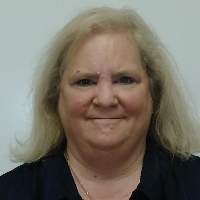
Florida · 17 yrs in practice
Works with Stress, Anxiety / Addictions / LGBT +12
Works by Client-Centered Therapy / Cognitive Behavioral Therapy (CBT)
Read profile
Indiana · 11 yrs in practice
Works with Stress, Anxiety / Addictions / Trauma and abuse +15
Works by Client-Centered Therapy / Cognitive Behavioral Therapy (CBT)
Read profile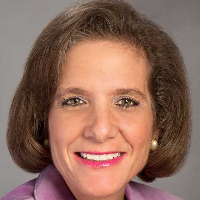
Florida · 20 yrs in practice
Works with Stress, Anxiety / Relationship / Grief +2
Works by Acceptance and Commitment Therapy (ACT) / Client-Centered Therapy
Read profile
Florida · 35 yrs in practice
Works with Stress, Anxiety / Family / Grief +17
Works by Attachment-Based Therapy / Client-Centered Therapy
Read profile
New Jersey · 9 yrs in practice
Works with Stress, Anxiety / Addictions / Self esteem +16
Works by Client-Centered Therapy / Cognitive Behavioral Therapy (CBT)
Read profile
New York · 20 yrs in practice · 3 languages
Works with Stress, Anxiety / Relationship / Family +16
Works by Client-Centered Therapy / Cognitive Behavioral Therapy (CBT)
Read profile
New York · 9 yrs in practice
Works with Stress, Anxiety / Relationship / Parenting +2
Works by Acceptance and Commitment Therapy (ACT) / Client-Centered Therapy
Read profile
Florida · 10 yrs in practice
Works with Stress, Anxiety / Addictions / Relationship +8
Works by Client-Centered Therapy / Cognitive Behavioral Therapy (CBT)
Read profile
Florida · 11 yrs in practice
Works with Stress, Anxiety / Trauma and abuse / Grief +9
Works by Acceptance and Commitment Therapy (ACT) / Attachment-Based Therapy
Read profile
Florida · 25 yrs in practice
Works with Stress, Anxiety / Addictions / Trauma and abuse +15
Works by Client-Centered Therapy / Cognitive Behavioral Therapy (CBT)
Read profile
New York · 17 yrs in practice · 3 languages
Works with Stress, Anxiety / Self esteem / Career +15
Works by Psychodynamic Therapy / Solution-Focused Therapy
Read profile
New York · 7 yrs in practice
Works with Addictions / Relationship / Trauma and abuse +7
Works by Client-Centered Therapy / Cognitive Behavioral Therapy (CBT)
Read profile
Florida · 25 yrs in practice
Works with Stress, Anxiety / Relationship / Intimacy-related issues +1
Works by Client-Centered Therapy / Cognitive Behavioral Therapy (CBT)
Read profile
Iowa · 9 yrs in practice
Works with Trauma and abuse / Grief / Anger +11
Works by Acceptance and Commitment Therapy (ACT) / Attachment-Based Therapy
Read profile
Arizona · 10 yrs in practice
Works with Stress, Anxiety / Addictions / Relationship +15
Works by Acceptance and Commitment Therapy (ACT) / Attachment-Based Therapy
Read profile
Iowa · 9 yrs in practice
Works with Stress, Anxiety / Trauma and abuse / Grief +13
Works by Acceptance and Commitment Therapy (ACT) / Client-Centered Therapy
Read profile
Indiana · 25 yrs in practice
Works with Stress, Anxiety / Relationship / Family +10
Works by Cognitive Behavioral Therapy (CBT) / Mindfulness Therapy
Read profile
New York · 10 yrs in practice · 2 languages
Works with Stress, Anxiety / Family / Self esteem +6
Works by Acceptance and Commitment Therapy (ACT) / Client-Centered Therapy
Read profile
Florida · 25 yrs in practice
Works with Stress, Anxiety / Relationship / Family +14
Read profile
Washington · 22 yrs in practice
Works with Stress, Anxiety / Relationship / Family +12
Works by Attachment-Based Therapy / Client-Centered Therapy
Read profile
Florida · 34 yrs in practice
Works with Stress, Anxiety / Family / Parenting +12
Works by Client-Centered Therapy / Cognitive Behavioral Therapy (CBT)
Read profile
Florida · 11 yrs in practice
Works with Stress, Anxiety / Family / Trauma and abuse +14
Works by Acceptance and Commitment Therapy (ACT) / Client-Centered Therapy
Read profile
Rhode Island · 20 yrs in practice
Works with Stress, Anxiety / Relationship / Family +15
Works by Acceptance and Commitment Therapy (ACT) / Cognitive Behavioral Therapy (CBT)
Read profile
Florida · 30 yrs in practice
Works with Stress, Anxiety / Addictions / Anger +2
Read profile
Florida · 8 yrs in practice
Works with Stress, Anxiety / Addictions / Trauma and abuse +15
Works by Attachment-Based Therapy / Client-Centered Therapy
Read profile
Massachusetts · 10 yrs in practice
Works with Stress, Anxiety / LGBT / Relationship +11
Works by Acceptance and Commitment Therapy (ACT) / Attachment-Based Therapy
Read profileGuilt and shame are emotions that most people experience at some point, but they have distinct qualities and different effects on your life. Guilt tends to arise when you believe you have done something wrong - it links to a specific action and can motivate reparative behavior. Shame feels more global - it can make you feel like there is something wrong with you as a person. When these emotions become frequent or overwhelming they can influence your relationships, your sense of self-worth, and your day-to-day choices.
Over time, persistent guilt or chronic shame can shape how you relate to others, drive avoidance, and contribute to cycles of rumination. You might find yourself replaying past actions, withdrawing to avoid judgment, or overcompensating to try to make amends. These patterns often interact with anxiety, low mood, and difficulties in intimacy. Recognizing the difference between adaptive guilt - which can prompt change - and harmful shame - which erodes self-regard - is an important step in clarifying what you want from therapy.
Guilt and shame do not stay isolated inside your head. They influence how you communicate, the risks you take socially, and how you interpret feedback from others. Shame can make it hard to ask for help because admitting vulnerability may feel like confirming a negative self-view. Guilt can lead to repeated attempts to fix things in ways that still leave you exhausted. If these experiences are frequent, they may affect career decisions, parenting, or recovery after a mistake. Understanding these ripple effects helps you and a therapist identify concrete targets for change.
You might begin to think about therapy when guilt or shame interferes with daily life rather than simply motivating helpful change. Signs include persistent self-blame that feels disproportional to the situation, avoidance of important relationships or opportunities out of fear of judgment, or repeated cycles of apologizing without resolving underlying patterns. You may notice that you ruminate on past events, struggle with self-criticism, or have difficulty accepting yourself after mistakes.
Physical and behavioral signals can also indicate that guilt and shame are taking a toll. Sleep disruption, changes in appetite, chronic worry, or using alcohol or other behaviors to numb painful feelings can be part of the picture. You might also find it hard to set boundaries because you worry that asserting your needs will confirm negative beliefs about yourself. If any of these experiences feel familiar, therapy can offer a way to unpack the origins of these feelings, learn new responses, and develop more compassionate self-relating.
Considering therapy does not require a crisis. You can seek help to process a recent event that triggered intense guilt or shame, or to address long-standing patterns that shape how you live. If these feelings are limiting your relationships, career, or overall enjoyment of life, working with a clinician who lists this specialty can provide structured support for change.
When you begin therapy for guilt and shame, you can expect an initial period of assessment and collaboration. Early sessions often focus on understanding your history, the specific situations that provoke guilt or shame, and how you currently cope. You and your clinician will discuss goals - these might include reducing rumination, improving self-compassion, restoring relationships, or learning skills to manage triggers. Therapy typically balances emotional exploration with practical work aimed at changing unhelpful patterns.
Therapy sessions aimed at guilt and shame usually create space to tell your story without judgment and to examine the beliefs that fuel harsh self-evaluation. Your clinician may help you identify patterns of thinking and behavior that maintain these emotions and introduce exercises to test and revise those patterns. Over time you may practice new ways of responding to shame-related triggers, rehearsing self-compassion, and making amends where appropriate. Progress can feel uneven - setbacks are part of change - but many people find relief as they learn to separate a single behavior from their sense of self.
The relationship with your therapist becomes a model for how you might relate to yourself and others. Safe, steady feedback and empathetic exploration help you experiment with different ways of being. Pacing matters - some work is reflective and narrative, while other moments focus on behavioral experiments or skill practice. Your therapist should explain their approach and invite you to shape the pace so the process feels tolerable rather than overwhelming.
There is no single method that fits everyone, so clinicians often combine ideas from multiple approaches. Cognitive behavioral approaches emphasize identifying unhelpful thought patterns and testing their accuracy, helping you replace harsh self-judgments with more balanced perspectives. Compassion-focused ideas focus on cultivating kindness toward yourself, shifting the emotional tone that often accompanies shame. Psychodynamic-informed approaches explore early experiences and relationship patterns that contributed to the development of shame-prone beliefs, helping you understand the roots of self-criticism.
Other clinicians may use narrative approaches to help you separate yourself from the story of your mistakes, allowing you to revise and expand your life narrative. Some list internal family systems or similar models among their approaches to work with different parts of your internal experience that hold guilt or shame. Therapists who list EMDR among their approaches may use processing-oriented techniques when traumatic memories underlie intense shame reactions. Mindfulness-based and acceptance-oriented practices also appear frequently, teaching you how to relate differently to painful feelings without being driven by them. When you read therapist profiles, you will see a range of approaches; consider how each description aligns with how you like to engage in therapy.
Online therapy offers ways to access clinicians who list guilt and shame as a focus without geographic limits. You can connect over video, phone, or messaging depending on the clinician's methods and your preferences. Many people find that working from their own home or another familiar setting makes it easier to talk about difficult feelings, while others appreciate the structure of a scheduled video session that mirrors in-person meetings. Sessions typically follow similar lengths and rhythms as in-person therapy, with opportunities to reflect, complete homework, and practice skills between meetings.
When engaging online, you should consider how you will create a comfortable environment for sessions - choosing a quiet room, using headphones, and setting boundaries around interruptions can make the experience more effective. Technology can also enable flexible ways of practicing skills, such as recording brief exercises or using chat between sessions for reflections, depending on what the clinician offers. If coordination with local providers or resources is important to you, many clinicians can discuss how to link therapy work with community supports while working remotely.
Privacy practices, session format, and technical requirements vary by clinician. When you review listings, look for descriptions of the approaches they list and the formats they offer. You might prefer video sessions that allow for face-to-face interaction, or messaging that lets you reflect in writing. Matching the method to how you process emotions can improve the impact of the work done on guilt and shame.
Finding the right therapist often depends on fit more than any single label. Start by reading profiles to match the ways therapists describe their approaches with how you tend to process emotions. If you are drawn to skills and cognitive restructuring, look for clinicians who list cognitive behavioral approaches. If cultivating self-compassion resonates, consider clinicians who list compassion-focused work among their approaches. If you want to explore early patterns and relational roots, psychodynamic or attachment-informed descriptions may feel relevant.
Language and cultural understanding matter when guilt or shame are tied to identity, family expectations, or cultural norms. Look for clinicians who list languages, cultural competencies, or experience working with populations similar to yours. Experience working with issues related to trauma, relationships, or moral injury can be relevant depending on the source of your guilt or shame. Also think about logistics - session format, communication style, and how a therapist describes collaboration and goals. Often the clearest indicator of fit is how comfortable and understood you feel in an initial conversation, and many clinicians provide ways to introduce their approach through profile descriptions and introductory contacts.
If you are ready to reach out, use the listings below to compare approaches, languages, and credentials. You can prepare a few points you want to cover in an initial conversation - what brings you in, what patterns you notice, and what you hope to change. Asking about the clinician's approach to guilt and shame, how they balance reflection and skill-building, and how they measure progress can help you decide who aligns with your needs. Therapy for guilt and shame is often a journey of learning new responses to old feelings, and the right match can make that process feel more manageable and meaningful.
Arizona
7 therapists
California
11 therapists
Connecticut
8 therapists
Florida
1340 therapists
Georgia
11 therapists
Hawaii
38 therapists
Illinois
16 therapists
Indiana
143 therapists
Iowa
57 therapists
Louisiana
6 therapists
Maryland
6 therapists
Massachusetts
133 therapists
Minnesota
6 therapists
Missouri
12 therapists
Nebraska
14 therapists
Nevada
5 therapists
New Hampshire
7 therapists
New Jersey
17 therapists
New York
517 therapists
North Carolina
11 therapists
Ohio
13 therapists
Oregon
9 therapists
Pennsylvania
14 therapists
Rhode Island
21 therapists
South Carolina
10 therapists
Texas
27 therapists
Utah
12 therapists
Virginia
10 therapists
Washington
204 therapists
Wisconsin
6 therapists