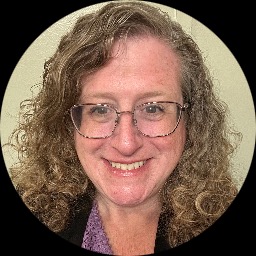
About Margaret
Margaret Paine is a Licensed Mental Health Counselor who helps people facing stress, anxiety, depression, anger, grief, and the challenges of caring for others. She focuses on boosting self-esteem and building self-compassion so people can reconnect with strengths they already have. Her style is warm and straightforward, aimed at practical steps rather than jargon.
With nine years of clinical experience, she has worked in community mental health settings across different stages of life.
Background and approach
That work exposed her to issues such as trauma, substance use concerns, caregiver fatigue, career transitions, and coping with life changes. She brings those real-world experiences into session planning. Her approach draws on Cognitive Behavioral Therapy (CBT), Acceptance and Commitment Therapy (ACT), Emotionally-Focused Therapy (EFT), Client-Centered Therapy, and Motivational Interviewing.
Sessions focus on understanding patterns, practicing new skills, and using personal values to guide choices. Margaret holds a Master of Science in Clinical Mental Health Counseling and is licensed in New York as an LMHC and in South Carolina as an LPC. She uses this background to shape clear, goal-oriented work with clients.
Therapy options include video calls, phone sessions, live chat, and text-based messaging. Communication is practical and flexible, with daily message checks and scheduling that fits around busy lives.
How Margaret's Methods Work Online
Acceptance and Commitment Therapy (ACT) helps people notice unhelpful thoughts without getting stuck in them and then take small actions that match their values. It can be useful for anxiety, depression, and life changes where motivation feels low.Cognitive Behavioral Therapy (CBT) focuses on identifying thought and behavior patterns that keep problems going and practicing alternatives. It is practical for managing anxiety, depression, anger, and coping skills for everyday stress.
Emotionally-Focused Therapy (EFT) centers on understanding emotions and how they shape relationships and self-awareness. It can help people who want to process grief, trauma, or difficult emotional patterns.
Choosing the right approach is a team effort. The therapist will talk with the client about goals, preferences, and what has helped or not helped before, then suggest ways to combine methods. That collaborative planning helps tailor sessions to each person’s needs.
Online therapy offers flexibility in how sessions happen. Video calls are used for deeper conversations and real-time skill practice, phone sessions can fit into a work break or low-bandwidth situation, live chat is good for brief check-ins, and text messaging supports ongoing reflection between meetings. These options make it easier to maintain continuity and practice skills in daily life.
Frequently asked questions
What concerns does this therapist help with?
What is the therapist's style in sessions?
What experience does the therapist have?
What credentials and location are listed?
In which languages are sessions offered?
Can international clients work with this therapist?
What session formats are available?
How are costs and getting started handled?
Specialties and expertise
Top specialties
- Stress, Anxiety
- Anger management
- Self esteem
Also works with
- Addictions
- ADHD
- Bipolar disorder
- Career difficulties
- Caregiver issues and stress
- Communication problems
- Compassion fatigue
- Coping with life changes
- Depression
- Eating disorders
- Family conflicts
- Forgiveness
- Grief
- Guilt and shame
- Isolation / loneliness
- LGBT
- Life purpose
- Parenting issues
- Relationship issues
- Self-love
- Social anxiety and phobia
- Trauma and abuse
Therapeutic approaches
- Experience
- 9 years
- Licensed
- New York, North Carolina, South Carolina
- Languages
- English