
Miriam Perrin, LMHC
Florida · 16 yrs in practice
Works with Stress, Anxiety / Relationship / Trauma and abuse +7
Works by Cognitive Behavioral Therapy (CBT) / Solution-Focused Therapy
Read profileTherapist listings come from BetterHelp. We will earn a commission if you sign up through a link on this page, at no extra cost to you, and it does not change the order of the listings.
This page lists therapists who work with communication problems, including difficulty expressing thoughts, frequent misunderstandings, and recurring conflict. Browse the profiles below to compare approaches, focus areas, languages, and credentials to find a counselor who fits your needs.
Florida · 16 yrs in practice
Works with Stress, Anxiety / Relationship / Trauma and abuse +7
Works by Cognitive Behavioral Therapy (CBT) / Solution-Focused Therapy
Read profile
Florida · 20 yrs in practice · 2 languages
Works with Stress, Anxiety / Addictions / Relationship +17
Works by Acceptance and Commitment Therapy (ACT) / Attachment-Based Therapy
Read profile
New York · 13 yrs in practice
Works with Relationship / Trauma and abuse / Grief +10
Works by Client-Centered Therapy / Cognitive Behavioral Therapy (CBT)
Read profile
Florida · 25 yrs in practice · 2 languages
Works with Relationship / Trauma and abuse / Grief +13
Works by Client-Centered Therapy / Eye Movement Desensitization and Reprocessing (EMDR)
Read profile
New York · 5 yrs in practice · 2 languages
Works with Stress, Anxiety / LGBT / Trauma and abuse +13
Works by Acceptance and Commitment Therapy (ACT) / Attachment-Based Therapy
Read profile
Pennsylvania · 12 yrs in practice
Works with Stress, Anxiety / Relationship / Self esteem +12
Works by Client-Centered Therapy / Cognitive Behavioral Therapy (CBT)
Read profile
New York · 11 yrs in practice
Works with Stress, Anxiety / Grief / Self esteem +9
Works by Acceptance and Commitment Therapy (ACT) / Attachment-Based Therapy
Read profile
New York · 9 yrs in practice
Works with Stress, Anxiety / Anger / Self esteem +14
Works by Acceptance and Commitment Therapy (ACT) / Client-Centered Therapy
Read profile
Florida · 26 yrs in practice
Works with Stress, Anxiety / Relationship / Anger +14
Works by Client-Centered Therapy / Cognitive Behavioral Therapy (CBT)
Read profile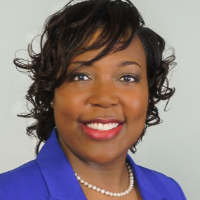
Florida · 10 yrs in practice
Works with Relationship / Family / Self esteem +5
Works by Client-Centered Therapy / Cognitive Behavioral Therapy (CBT)
Read profile
Florida · 18 yrs in practice
Works with Stress, Anxiety / Relationship / Grief +13
Works by Client-Centered Therapy / Cognitive Behavioral Therapy (CBT)
Read profile
Florida · 30 yrs in practice
Works with Stress, Anxiety / Relationship / Trauma and abuse +15
Works by Acceptance and Commitment Therapy (ACT) / Client-Centered Therapy
Read profile
Pennsylvania · 10 yrs in practice
Works with Stress, Anxiety / Relationship / Grief +9
Works by Cognitive Behavioral Therapy (CBT) / Dialectical Behavior Therapy (DBT)
Read profile
Indiana · 8 yrs in practice
Works with Stress, Anxiety / Addictions / Family +16
Works by Acceptance and Commitment Therapy (ACT) / Attachment-Based Therapy
Read profile
Florida · 20 yrs in practice
Works with Addictions / Relationship / Trauma and abuse +15
Works by Acceptance and Commitment Therapy (ACT) / Attachment-Based Therapy
Read profile
Florida · 17 yrs in practice
Works with Stress, Anxiety / Trauma and abuse / Eating +15
Works by Acceptance and Commitment Therapy (ACT) / Client-Centered Therapy
Read profile
Florida · 19 yrs in practice
Works with Stress, Anxiety / Family / Grief +13
Works by Acceptance and Commitment Therapy (ACT) / Client-Centered Therapy
Read profile
Florida · 30 yrs in practice
Works with Addictions / Relationship / Self esteem +4
Works by Cognitive Behavioral Therapy (CBT) / Motivational Interviewing
Read profile
Florida · 20 yrs in practice
Works with Stress, Anxiety / Grief / Self esteem +10
Works by Client-Centered Therapy / Cognitive Behavioral Therapy (CBT)
Read profile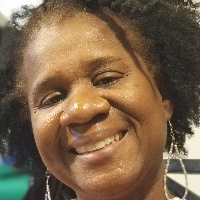
New York · 6 yrs in practice
Works with Stress, Anxiety / Parenting / Anger +13
Works by Client-Centered Therapy / Cognitive Behavioral Therapy (CBT)
Read profile
Florida · 24 yrs in practice
Works with Stress, Anxiety / Addictions / Grief +15
Works by Acceptance and Commitment Therapy (ACT) / Client-Centered Therapy
Read profile
New York · 36 yrs in practice
Works with Stress, Anxiety / Family / Parenting +8
Works by Client-Centered Therapy / Cognitive Behavioral Therapy (CBT)
Read profile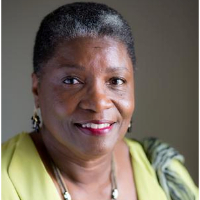
Florida · 12 yrs in practice
Works with Stress, Anxiety / Addictions / Parenting +9
Works by Client-Centered Therapy / Cognitive Behavioral Therapy (CBT)
Read profile
Florida · 16 yrs in practice
Works with Stress, Anxiety / Trauma and abuse / Self esteem +7
Works by Attachment-Based Therapy / Client-Centered Therapy
Read profile
Florida · 13 yrs in practice
Works with Stress, Anxiety / Self esteem / Depression +8
Works by Acceptance and Commitment Therapy (ACT) / Client-Centered Therapy
Read profile
Massachusetts · 12 yrs in practice
Works with Stress, Anxiety / Anger / Self esteem +4
Works by Client-Centered Therapy / Cognitive Behavioral Therapy (CBT)
Read profile
New York · 13 yrs in practice
Works with Stress, Anxiety / Self esteem / Depression +9
Works by Client-Centered Therapy / Cognitive Behavioral Therapy (CBT)
Read profile
New York · 18 yrs in practice · 3 languages
Works with Stress, Anxiety / Relationship / Parenting +2
Read profile
Florida · 8 yrs in practice · 4 languages
Works with Stress, Anxiety / Relationship / Family +10
Works by Client-Centered Therapy / Cognitive Behavioral Therapy (CBT)
Read profile
New Jersey · 10 yrs in practice
Works with Stress, Anxiety / Relationship / Family +5
Works by Attachment-Based Therapy / Client-Centered Therapy
Read profile
Florida · 20 yrs in practice
Works with Stress, Anxiety / Relationship / Grief +2
Works by Acceptance and Commitment Therapy (ACT) / Attachment-Based Therapy
Read profile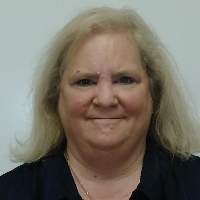
Florida · 17 yrs in practice
Works with Stress, Anxiety / Addictions / LGBT +12
Works by Client-Centered Therapy / Cognitive Behavioral Therapy (CBT)
Read profile
Indiana · 11 yrs in practice
Works with Stress, Anxiety / Addictions / Trauma and abuse +15
Works by Client-Centered Therapy / Cognitive Behavioral Therapy (CBT)
Read profile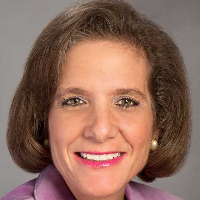
Florida · 20 yrs in practice
Works with Stress, Anxiety / Relationship / Grief +2
Works by Acceptance and Commitment Therapy (ACT) / Client-Centered Therapy
Read profile
Florida · 35 yrs in practice
Works with Stress, Anxiety / Family / Grief +17
Works by Attachment-Based Therapy / Client-Centered Therapy
Read profile
New York · 30 yrs in practice
Works with Stress, Anxiety / Relationship / Family +2
Read profile
New Jersey · 9 yrs in practice
Works with Stress, Anxiety / Addictions / Self esteem +16
Works by Client-Centered Therapy / Cognitive Behavioral Therapy (CBT)
Read profile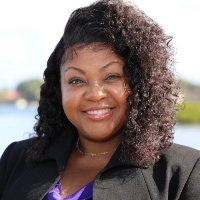
Florida · 9 yrs in practice
Works with Stress, Anxiety / Family / Parenting +12
Works by Client-Centered Therapy / Cognitive Behavioral Therapy (CBT)
Read profile
Florida · 9 yrs in practice
Works with Stress, Anxiety / Addictions / Self esteem +10
Works by Client-Centered Therapy / Cognitive Behavioral Therapy (CBT)
Read profile
New York · 20 yrs in practice · 3 languages
Works with Stress, Anxiety / Relationship / Family +16
Works by Client-Centered Therapy / Cognitive Behavioral Therapy (CBT)
Read profile
Massachusetts · 30 yrs in practice
Works with Addictions / Family / Trauma and abuse +17
Read profile
New York · 9 yrs in practice
Works with Stress, Anxiety / Relationship / Parenting +2
Works by Acceptance and Commitment Therapy (ACT) / Client-Centered Therapy
Read profile
Florida · 10 yrs in practice
Works with Stress, Anxiety / Addictions / Relationship +8
Works by Client-Centered Therapy / Cognitive Behavioral Therapy (CBT)
Read profile
Washington · 50 yrs in practice
Works with Stress, Anxiety / Trauma and abuse / Intimacy-related issues +16
Works by Attachment-Based Therapy / Client-Centered Therapy
Read profile
Florida · 11 yrs in practice
Works with Stress, Anxiety / Trauma and abuse / Grief +9
Works by Acceptance and Commitment Therapy (ACT) / Attachment-Based Therapy
Read profile
Florida · 25 yrs in practice
Works with Stress, Anxiety / Addictions / Trauma and abuse +15
Works by Client-Centered Therapy / Cognitive Behavioral Therapy (CBT)
Read profile
Florida · 30 yrs in practice
Works with Stress, Anxiety / Family / Trauma and abuse +15
Works by Client-Centered Therapy / Cognitive Behavioral Therapy (CBT)
Read profile
Florida · 12 yrs in practice · 2 languages
Works with Stress, Anxiety / Trauma and abuse / Anger +2
Read profileCommunication problems can show up in many forms - trouble saying what you mean, misreading another person’s tone, or finding conversations escalate into arguments more often than you expect. These difficulties are not limited to romantic relationships. They also appear at work, within families, with friends, and in interactions with service providers or colleagues. At their core, communication problems involve barriers to expressing needs clearly and understanding the needs of others.
When communication breaks down, you might notice stress piling up in familiar situations. Small disagreements can feel larger than they are, or conversations that once felt easy may become fraught. Problems with communication can influence how you make decisions, how you feel in close relationships, and how comfortable you are asserting boundaries. Over time, repeated misunderstandings can erode trust and create patterns where you either withdraw or become reactive instead of engaging constructively.
You might consider therapy if you often leave conversations feeling unheard, misunderstood, or emotionally drained. If you find yourself repeating the same arguments with a partner, struggling to resolve conflicts at home, or feeling isolated despite being in relationships, those are signs that communication patterns are affecting your well-being. Other indicators include persistent resentment about interactions, difficulty expressing emotions without shutting down, or frequent escalation where minor disagreements become major fights.
Communication problems are not only personal. You may notice that meetings run poorly, instructions are misinterpreted, or collaboration becomes inefficient. If coworkers misread your intentions or you regularly misinterpret theirs, it can limit your professional growth and increase stress. In social settings, difficulty starting or sustaining conversations, or feeling like you are misunderstood by friends, may also signal that focused work on communication could help.
Early sessions typically focus on building rapport and clarifying what you want to change. You and the therapist will discuss recent examples of difficult conversations, patterns you want to alter, and goals for improvement. The therapist will invite you to describe how you communicate and how others respond, and together you will identify recurring cycles - for example, one partner withdraws while the other pursues. Sessions are often collaborative, with a mix of reflection, skill practice, and planning for real-life conversations.
Expect sessions to include practice of concrete skills in a supportive setting. You may role-play challenging conversations, learn structured ways to express needs without blame, and practice active listening techniques. The therapist may guide you through exercises that slow down interactions so you can notice triggers and choose different responses. Homework between sessions commonly involves trying new communication strategies in everyday life and reporting back on how those experiments went.
A range of therapeutic styles are used to address communication, often chosen to match your specific situation. You will find therapists who list cognitive behavioral therapy among their approaches, which often helps you notice and shift thought patterns that influence how you speak and interpret others. Therapists who list emotion-focused therapy among their approaches concentrate on identifying and expressing underlying emotions that shape interactions. Those who list systemic or family approaches look at how roles and patterns within a group shape communication habits.
Other approaches focus on building practical interaction skills and changing patterns through experience. Therapists who list narrative therapy among their approaches may help you reframe the stories you tell about yourself and your relationships to open new ways of relating. Therapists who list mindfulness-based strategies among their approaches can support you in becoming more aware of bodily sensations and impulses that arise in tense conversations, allowing you to respond more intentionally. You will also find therapists who list couples therapy models or interpersonal therapy among their approaches, which are often used when communication struggles occur between partners or within families. When reviewing profiles, note which approaches therapists mention and how they describe applying them to communication work.
Online therapy offers several formats for working on communication: live video sessions that resemble in-person meetings, phone sessions, and text or messaging options that allow for ongoing reflection. Video sessions make it possible to observe tone and body language, which is helpful when practicing new interaction skills. Messaging options can complement live sessions by letting you share thoughts between sessions and receive guidance on specific interactions. Each format has strengths and limitations, so it’s useful to think about how you prefer to communicate and practice skills.
When you choose to work online, plan for a quiet, interruption-free setting where you can focus on difficult conversations and practice new skills. Use headphones or a closed door to reduce background noise, and let others in your space know you need uninterrupted time. Be aware of the technological aspects - a stable internet connection and a device with a camera can make video sessions smoother. Also review a therapist’s stated session format and privacy practices so you understand how your information is handled and what to expect from the online environment.
Begin by reading therapist profiles to find those who describe work with communication, couples, family dynamics, workplace interaction, or related focus areas. Pay attention to the language they use to describe how they help people change communication patterns. Look for mentions of specific approaches you resonate with, such as therapists who list cognitive behavioral therapy, emotion-focused work, systemic or family approaches, or practical communication skills training among their approaches. Note any languages spoken and the types of relationships or populations they mention, since cultural and contextual fit can matter when communication styles differ across backgrounds.
Beyond approaches and focus areas, consider logistical and personal fit factors. Think about session format preferences - whether you want video, phone, or messaging support - and typical session length and fee structure. Read how therapists describe their work to get a sense of tone - whether they emphasize warm, direct coaching, structured skill-building, or reflective exploration. You might also prioritize someone who mentions experience with specific settings that match yours, such as workplace mediation, parenting dynamics, or romantic partnership work. Taking the time to compare profiles by focus areas, approaches, credentials, languages, and experience will help you identify therapists whose style aligns with what you hope to change.
Working on communication is often a step toward clearer relationships, less stress in daily interactions, and more effective collaboration. If you’re ready to explore options, use the listings above to review therapists who address communication problems and select profiles that match the approach and experience you prefer. Thoughtfully choosing someone whose description resonates with you can make the path toward better communication more practical and focused.
Arizona
7 therapists
California
11 therapists
Connecticut
8 therapists
Florida
1340 therapists
Georgia
11 therapists
Hawaii
38 therapists
Illinois
16 therapists
Indiana
143 therapists
Iowa
57 therapists
Louisiana
6 therapists
Maryland
6 therapists
Massachusetts
133 therapists
Minnesota
6 therapists
Missouri
12 therapists
Nebraska
14 therapists
Nevada
5 therapists
New Hampshire
7 therapists
New Jersey
17 therapists
New York
517 therapists
North Carolina
11 therapists
Ohio
13 therapists
Oregon
9 therapists
Pennsylvania
14 therapists
Rhode Island
21 therapists
South Carolina
10 therapists
Texas
27 therapists
Utah
12 therapists
Virginia
10 therapists
Washington
204 therapists
Wisconsin
6 therapists