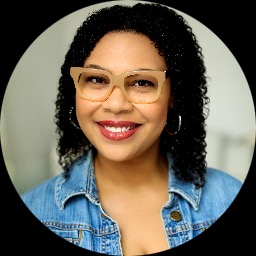
About Lynda
Lynda Nora Durand introduces herself as Nora and brings compassionate, down-to-earth care to people facing many hard moments. She helps with relationship problems, trauma and abuse, grief, low self-esteem, stress and anxiety. Nora also supports people dealing with addictions, anger, career strain, bipolar disorder, depression, and big life changes.
She uses clear, practical methods in sessions. Nora focuses on meeting each person where they are. She creates a non-judgmental space to talk through what is happening now and what a person wants to change.
Background and approach
Nora is a Licensed Mental Health Counselor, LMHC, practicing in New York with 13 years of experience across Florida and New York. Her background includes child welfare advocacy, crisis counseling after Hurricane Sandy, running a crisis respite center, and work with victims of crime. Those roles shaped her hands-on approach to care.
Her sessions draw on Client-Centered Therapy, Cognitive Behavioral Therapy, Motivational Interviewing, and Trauma-Focused Therapy. She adapts tools to each person's needs and uses creative ways to make therapy useful and practical. Nora explains options and helps people set short-term goals.
She encourages steady steps and practical coping skills. The aim is clearer decisions, calmer responses, and better daily functioning as progress unfolds.
How Nora Uses Evidence-Based Approaches Online
Client-Centered Therapy focuses on the person in the room. Nora listens deeply, reflects what she hears, and follows each person's priorities to build trust and clarity. This approach helps with relationship issues, self-esteem, and when someone needs a calm place to sort feelings.Cognitive Behavioral Therapy, or CBT, looks at the links between thoughts, feelings, and actions. Nora uses CBT tools to teach practical skills for anxiety, depression, and stress so people can change patterns that get in the way of daily life. Motivational Interviewing supports change by helping people find their own reasons to act, which can be useful for addictions or career decisions.
Finding the right approach is part of the work. Nora will talk with each person about goals and preferences and will combine methods as needed. This is a collaborative process where the therapist and client decide what feels most useful.
Online sessions are available by video call, phone, live chat, or text-based messaging. Video calls let people read facial cues and hold fuller conversations. Phone sessions can be quicker check-ins or better when bandwidth is limited. Live chat and text messaging work for brief updates, notes between sessions, or when writing helps clarify thoughts. These options offer flexibility and make it easier to fit therapy into work, school, or family schedules.
Frequently asked questions
What concerns does Nora commonly help with?
How would you describe her therapeutic style?
What is her professional background?
What credentials and location are listed?
Which languages are sessions offered in?
What session formats are available online?
How are costs and billing handled?
How do I begin working with her?
Specialties and expertise
Top specialties
- Relationship issues
- Trauma and abuse
- Grief
Also works with
- Addictions
- Anger management
- Bipolar disorder
- Career difficulties
- Communication problems
- Coping with life changes
- Coping with natural or human-caused disaster
- Depression
- Family conflicts
- First responder issues
- Forgiveness
- Multicultural concerns
- Parenting issues
- Self esteem
- Self-love
- Stress, Anxiety
- Workplace issues
Therapeutic approaches
- Experience
- 13 years
- Licensed
- Florida, New York
- Languages
- English