
Dr. Daniella Jackson, LMHC
Florida · 20 yrs in practice · 2 languages
Works with Stress, Anxiety / Addictions / Relationship +17
Works by Acceptance and Commitment Therapy (ACT) / Attachment-Based Therapy
Read profileTherapist listings come from BetterHelp. We will earn a commission if you sign up through a link on this page, at no extra cost to you, and it does not change the order of the listings.
This page collects therapist profiles that focus on self-love, self-worth, and related growth areas. Browse the listings below to review approaches, credentials, languages, and areas of emphasis.
Florida · 20 yrs in practice · 2 languages
Works with Stress, Anxiety / Addictions / Relationship +17
Works by Acceptance and Commitment Therapy (ACT) / Attachment-Based Therapy
Read profile
New York · 13 yrs in practice
Works with Relationship / Trauma and abuse / Grief +10
Works by Client-Centered Therapy / Cognitive Behavioral Therapy (CBT)
Read profile
Florida · 25 yrs in practice · 2 languages
Works with Relationship / Trauma and abuse / Grief +13
Works by Client-Centered Therapy / Eye Movement Desensitization and Reprocessing (EMDR)
Read profile
New York · 5 yrs in practice · 2 languages
Works with Stress, Anxiety / LGBT / Trauma and abuse +13
Works by Acceptance and Commitment Therapy (ACT) / Attachment-Based Therapy
Read profile
Pennsylvania · 12 yrs in practice
Works with Stress, Anxiety / Relationship / Self esteem +12
Works by Client-Centered Therapy / Cognitive Behavioral Therapy (CBT)
Read profile
New York · 9 yrs in practice
Works with Stress, Anxiety / Anger / Self esteem +14
Works by Acceptance and Commitment Therapy (ACT) / Client-Centered Therapy
Read profile
Florida · 26 yrs in practice
Works with Stress, Anxiety / Relationship / Anger +14
Works by Client-Centered Therapy / Cognitive Behavioral Therapy (CBT)
Read profile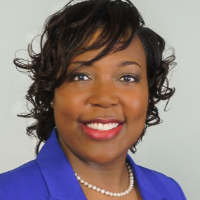
Florida · 10 yrs in practice
Works with Relationship / Family / Self esteem +5
Works by Client-Centered Therapy / Cognitive Behavioral Therapy (CBT)
Read profile
Florida · 15 yrs in practice
Works with Stress, Anxiety / Addictions / Trauma and abuse +15
Works by Acceptance and Commitment Therapy (ACT) / Client-Centered Therapy
Read profile
Pennsylvania · 10 yrs in practice
Works with Stress, Anxiety / Relationship / Grief +9
Works by Cognitive Behavioral Therapy (CBT) / Dialectical Behavior Therapy (DBT)
Read profile
Indiana · 8 yrs in practice
Works with Stress, Anxiety / Addictions / Family +16
Works by Acceptance and Commitment Therapy (ACT) / Attachment-Based Therapy
Read profile
Florida · 20 yrs in practice
Works with Addictions / Relationship / Trauma and abuse +15
Works by Acceptance and Commitment Therapy (ACT) / Attachment-Based Therapy
Read profile
Florida · 17 yrs in practice
Works with Stress, Anxiety / Trauma and abuse / Eating +15
Works by Acceptance and Commitment Therapy (ACT) / Client-Centered Therapy
Read profile
Florida · 19 yrs in practice
Works with Stress, Anxiety / Family / Grief +13
Works by Acceptance and Commitment Therapy (ACT) / Client-Centered Therapy
Read profile
Florida · 30 yrs in practice
Works with Addictions / Relationship / Self esteem +4
Works by Cognitive Behavioral Therapy (CBT) / Motivational Interviewing
Read profile
Florida · 20 yrs in practice
Works with Stress, Anxiety / Grief / Self esteem +10
Works by Client-Centered Therapy / Cognitive Behavioral Therapy (CBT)
Read profile
New York · 6 yrs in practice
Works with Stress, Anxiety / Parenting / Anger +13
Works by Client-Centered Therapy / Cognitive Behavioral Therapy (CBT)
Read profile
Florida · 24 yrs in practice
Works with Stress, Anxiety / Addictions / Grief +15
Works by Acceptance and Commitment Therapy (ACT) / Client-Centered Therapy
Read profile
New York · 36 yrs in practice
Works with Stress, Anxiety / Family / Parenting +8
Works by Client-Centered Therapy / Cognitive Behavioral Therapy (CBT)
Read profile
Florida · 16 yrs in practice
Works with Stress, Anxiety / Trauma and abuse / Self esteem +7
Works by Attachment-Based Therapy / Client-Centered Therapy
Read profile
Florida · 13 yrs in practice
Works with Stress, Anxiety / Self esteem / Depression +8
Works by Acceptance and Commitment Therapy (ACT) / Client-Centered Therapy
Read profile
Massachusetts · 12 yrs in practice
Works with Stress, Anxiety / Anger / Self esteem +4
Works by Client-Centered Therapy / Cognitive Behavioral Therapy (CBT)
Read profile
New York · 13 yrs in practice
Works with Stress, Anxiety / Self esteem / Depression +9
Works by Client-Centered Therapy / Cognitive Behavioral Therapy (CBT)
Read profile
Florida · 21 yrs in practice
Works with Stress, Anxiety / Relationship / Self esteem +2
Works by Cognitive Behavioral Therapy (CBT) / Motivational Interviewing
Read profile
New York · 18 yrs in practice · 3 languages
Works with Stress, Anxiety / Relationship / Parenting +2
Read profile
Florida · 20 yrs in practice
Works with Stress, Anxiety / Relationship / Grief +2
Works by Acceptance and Commitment Therapy (ACT) / Attachment-Based Therapy
Read profile
Florida · 25 yrs in practice
Works with Stress, Anxiety / Relationship / Trauma and abuse +3
Works by Cognitive Behavioral Therapy (CBT) / Dialectical Behavior Therapy (DBT)
Read profile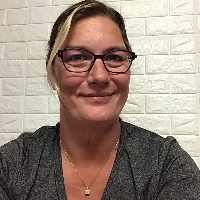
Indiana · 11 yrs in practice
Works with Stress, Anxiety / Addictions / Trauma and abuse +15
Works by Client-Centered Therapy / Cognitive Behavioral Therapy (CBT)
Read profile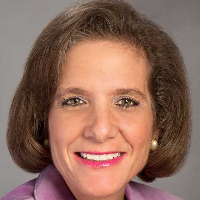
Florida · 20 yrs in practice
Works with Stress, Anxiety / Relationship / Grief +2
Works by Acceptance and Commitment Therapy (ACT) / Client-Centered Therapy
Read profile
Florida · 40 yrs in practice
Works with Stress, Anxiety / Addictions / Trauma and abuse +2
Works by Cognitive Behavioral Therapy (CBT) / Hypnotherapy
Read profile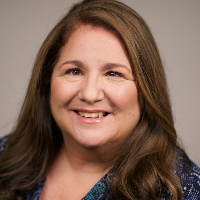
Florida · 24 yrs in practice
Works with Stress, Anxiety / Career / Depression +13
Works by Cognitive Behavioral Therapy (CBT)
Read profile
Florida · 35 yrs in practice
Works with Stress, Anxiety / Family / Grief +17
Works by Attachment-Based Therapy / Client-Centered Therapy
Read profile
New Jersey · 9 yrs in practice
Works with Stress, Anxiety / Addictions / Self esteem +16
Works by Client-Centered Therapy / Cognitive Behavioral Therapy (CBT)
Read profile
Florida · 9 yrs in practice
Works with Stress, Anxiety / Family / Parenting +12
Works by Client-Centered Therapy / Cognitive Behavioral Therapy (CBT)
Read profile
Florida · 9 yrs in practice
Works with Stress, Anxiety / Addictions / Self esteem +10
Works by Client-Centered Therapy / Cognitive Behavioral Therapy (CBT)
Read profile
New York · 20 yrs in practice · 3 languages
Works with Stress, Anxiety / Relationship / Family +16
Works by Client-Centered Therapy / Cognitive Behavioral Therapy (CBT)
Read profile
New York · 9 yrs in practice
Works with Stress, Anxiety / Relationship / Parenting +2
Works by Acceptance and Commitment Therapy (ACT) / Client-Centered Therapy
Read profile
Florida · 10 yrs in practice
Works with Stress, Anxiety / Addictions / Relationship +8
Works by Client-Centered Therapy / Cognitive Behavioral Therapy (CBT)
Read profile
Florida · 11 yrs in practice
Works with Stress, Anxiety / Trauma and abuse / Grief +9
Works by Acceptance and Commitment Therapy (ACT) / Attachment-Based Therapy
Read profile
Florida · 25 yrs in practice
Works with Stress, Anxiety / Addictions / Trauma and abuse +15
Works by Client-Centered Therapy / Cognitive Behavioral Therapy (CBT)
Read profile
Florida · 30 yrs in practice
Works with Stress, Anxiety / Family / Trauma and abuse +15
Works by Client-Centered Therapy / Cognitive Behavioral Therapy (CBT)
Read profile
New York · 7 yrs in practice
Works with Addictions / Relationship / Trauma and abuse +7
Works by Client-Centered Therapy / Cognitive Behavioral Therapy (CBT)
Read profile
Florida · 30 yrs in practice
Works with Addictions / Relationship / Family +14
Works by Cognitive Behavioral Therapy (CBT) / Solution-Focused Therapy
Read profile
Iowa · 9 yrs in practice
Works with Trauma and abuse / Grief / Anger +11
Works by Acceptance and Commitment Therapy (ACT) / Attachment-Based Therapy
Read profile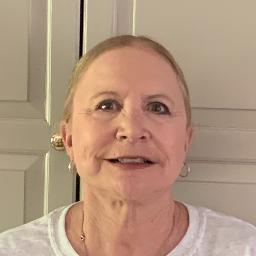
Arizona · 10 yrs in practice
Works with Stress, Anxiety / Addictions / Relationship +15
Works by Acceptance and Commitment Therapy (ACT) / Attachment-Based Therapy
Read profile
Iowa · 9 yrs in practice
Works with Stress, Anxiety / Trauma and abuse / Grief +13
Works by Acceptance and Commitment Therapy (ACT) / Client-Centered Therapy
Read profile
New York · 10 yrs in practice · 2 languages
Works with Stress, Anxiety / Family / Self esteem +6
Works by Acceptance and Commitment Therapy (ACT) / Client-Centered Therapy
Read profile
Florida · 25 yrs in practice
Works with Stress, Anxiety / Relationship / Family +14
Read profileSelf-love is often described as the practice of treating yourself with the same compassion, respect, and care that you extend to others. For you, that can mean noticing how you talk to yourself, how you respond to setbacks, and how you set boundaries in relationships. Self-love is not a fixed destination. It is an ongoing process that touches your emotional habits, your sense of identity, and the ways you make choices in daily life. When you have a more accepting and nurturing relationship with yourself, you are likely to take healthier risks, tend to your needs, and sustain relationships from a place of wholeness rather than neediness.
At the same time, lacking self-love can take many forms. You might be highly critical of your actions, dismiss your accomplishments, or feel undeserving of care. You might try to prove your worth through achievement or people-pleasing, or you may avoid intimacy because you expect rejection. Those patterns can affect your work, friendships, and romantic relationships, and they can make it hard to practice self-care without guilt. Therapy for self-love focuses on identifying these patterns and giving you tools to shift them so you can live with greater ease and authenticity.
You may be considering therapy because you notice persistent self-criticism that wears you down or because you repeatedly undermine your own goals with negative self-talk. If you find yourself harshly judging mistakes, replaying perceived failures, or dismissing compliments, those are common indicators that a self-love focus could help. You might also struggle to set boundaries or say no, defaulting to approval-seeking at the expense of your own needs. That behavior can lead to resentment, burnout, and a sense that who you are depends on others' opinions rather than your own internal compass.
Other signs include chronic people-pleasing, difficulty accepting care from others, and a pattern of dismissing your emotions as unimportant. You may avoid trying new things because you fear not being good enough, or you may compare yourself unfavorably to others in ways that erode joy. In some cases, interpersonal conflicts repeatedly trace back to a weak sense of self-worth. If your inner critic is loud, if self-compassion feels foreign, or if you want to shift long-standing patterns around worth and belonging, targeted therapy work may offer practical ways to make that change.
When you begin therapy with a focus on self-love, the initial sessions typically involve building a working relationship and clarifying goals. Your therapist will likely ask about your history, current patterns, and what you hope will be different. This helps both of you identify specific moments or themes - such as self-criticism, boundary challenges, or avoidance of self-care - that will guide the work. Sessions often blend exploration of past experiences with present-day practice, so you can understand where self-critical beliefs originated and how they operate now.
Therapy for self-love commonly includes experiential exercises designed to shift your inner dialogue and bodily responses. You might practice self-compassion exercises during sessions, work on setting and communicating boundaries, or rehearse alternative responses to self-critical thoughts. Homework between sessions is common and may include journaling prompts, behavioral experiments, or short mindfulness practices to help you notice and alter automatic reactions. Progress is rarely linear. You may have days when change feels fast and others when old habits resurface. A thoughtful therapeutic approach balances gentle challenge with support so you can build new habits without feeling overwhelmed.
Therapists use a variety of approaches when addressing self-love, and many profiles describe a mix of modalities rather than a single method. You will find therapists who list cognitive behavioral therapy, acceptance and commitment therapy, compassion-focused therapy, internal family systems, narrative therapy, or somatic approaches among their approaches. Each framework offers different tools. Cognitive behavioral work helps you identify and test unhelpful beliefs that fuel self-criticism. Acceptance and commitment work helps you clarify values and take meaningful action even in the presence of discomfort. Compassion-focused approaches emphasize softening the inner critic and cultivating warmth toward yourself.
Internal family systems and narrative approaches invite you to examine internal parts or the stories you tell about yourself, creating space to re-author limiting narratives. Somatic approaches center the body - helping you notice where self-judgment shows up physically and using movement or breathing to shift arousal patterns. Expressive or creative methods can also be part of the work, offering new ways to experience and embody self-acceptance. When you read therapist profiles, pay attention to the combination of approaches and the ways practitioners describe integrating them into sessions for self-worth and boundary work.
Online therapy can be well suited to self-love work because it allows you to practice vulnerability from your chosen environment and to fit sessions into your life more easily. Sessions commonly occur over video, phone, or text-based messaging tools provided by the therapist or platform. Video sessions make it possible to read facial cues and to practice in-the-moment exercises with your therapist, while messaging or audio can support between-session reflection. Before starting, identify a quiet, comfortable environment where you can focus and feel at ease, and consider practical factors like your internet connection and what form of contact feels most supportive.
Therapists who offer online work may use similar therapeutic tasks as in-person sessions - exploring early experiences, practicing new responses, and assigning exercises to build self-compassion. You can expect flexibility in how tools are delivered, but the core of the work remains relational. Even at a distance, the most important element is the connection you feel with the clinician and the degree to which you can experiment with new ways of relating to yourself during and between meetings.
Choosing a therapist is a personal process that goes beyond credentials. When you review profiles, look for language that resonates with how you want to be held and challenged. Notice whether therapists describe working with self-criticism, boundaries, identity, or related areas you care about. Pay attention to stated approaches and the phrasing used - for example, therapists who list CBT, ACT, compassion-focused therapy, or internal family systems among their approaches. Consider the credentials listed, such as LMHC, LPC, LCSW, PsyD, or PhD, as one factor in understanding a clinician's background.
Language and cultural alignment also matter. If you belong to a specific cultural, racial, or identity community, you may prefer a therapist who notes experience or interest in that area. Look for profiles that mention working with trauma, relationships, minority stress, or life transitions if those are relevant to you. Practical considerations include session format preferences - whether you prefer video, phone, or messaging - and logistical details like session length and fees. Trust your sense of rapport: many therapists offer an initial consultation or intake description that can help you gauge whether you feel heard and respected. As you try a therapist, observe whether the pace and style match your needs and whether the therapist collaborates with you to set achievable goals for self-love and growth.
Above all, remember that the work of cultivating self-love takes time and practice. The right therapeutic match can make the process clearer and more bearable, but the real change unfolds in the small decisions you make each day - the ways you speak to yourself, prioritize your needs, and accept kindness from others. Use the listings below to explore profiles, read about approaches, and find a therapist whose style and focus align with the self-compassion and resilience you want to build.
Arizona
7 therapists
California
11 therapists
Connecticut
8 therapists
Florida
1340 therapists
Georgia
11 therapists
Hawaii
38 therapists
Illinois
16 therapists
Indiana
143 therapists
Iowa
57 therapists
Louisiana
6 therapists
Maryland
6 therapists
Massachusetts
133 therapists
Minnesota
6 therapists
Missouri
12 therapists
Nebraska
14 therapists
Nevada
5 therapists
New Hampshire
7 therapists
New Jersey
17 therapists
New York
517 therapists
North Carolina
11 therapists
Ohio
13 therapists
Oregon
9 therapists
Pennsylvania
14 therapists
Rhode Island
21 therapists
South Carolina
10 therapists
Texas
27 therapists
Utah
12 therapists
Virginia
10 therapists
Washington
204 therapists
Wisconsin
6 therapists