
Miriam Perrin, LMHC
Florida · 16 yrs in practice
Works with Stress, Anxiety / Relationship / Trauma and abuse +7
Works by Cognitive Behavioral Therapy (CBT) / Solution-Focused Therapy
Read profileTherapist listings come from BetterHelp. We will earn a commission if you sign up through a link on this page, at no extra cost to you, and it does not change the order of the listings.
Trauma-Focused Therapy is an approach that concentrates on understanding and addressing the emotional, cognitive, and behavioral effects of traumatic experiences. Below you can browse therapists who list Trauma-Focused Therapy among their approaches and read profiles to compare focus areas, credentials, languages, and experience.
Florida · 16 yrs in practice
Works with Stress, Anxiety / Relationship / Trauma and abuse +7
Works by Cognitive Behavioral Therapy (CBT) / Solution-Focused Therapy
Read profile
Florida · 20 yrs in practice · 2 languages
Works with Stress, Anxiety / Addictions / Relationship +17
Works by Acceptance and Commitment Therapy (ACT) / Attachment-Based Therapy
Read profile
New York · 13 yrs in practice
Works with Relationship / Trauma and abuse / Grief +10
Works by Client-Centered Therapy / Cognitive Behavioral Therapy (CBT)
Read profile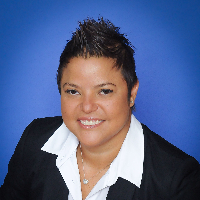
Florida · 21 yrs in practice
Works with Stress, Anxiety / Addictions / LGBT +10
Works by Acceptance and Commitment Therapy (ACT) / Client-Centered Therapy
Read profile
Florida · 23 yrs in practice
Works with Stress, Anxiety / Addictions / Self esteem +11
Works by Client-Centered Therapy / Cognitive Behavioral Therapy (CBT)
Read profile
New York · 5 yrs in practice · 2 languages
Works with Stress, Anxiety / LGBT / Trauma and abuse +13
Works by Acceptance and Commitment Therapy (ACT) / Attachment-Based Therapy
Read profile
New York · 11 yrs in practice
Works with Stress, Anxiety / Grief / Self esteem +9
Works by Acceptance and Commitment Therapy (ACT) / Attachment-Based Therapy
Read profile
Florida · 26 yrs in practice
Works with Stress, Anxiety / Relationship / Anger +14
Works by Client-Centered Therapy / Cognitive Behavioral Therapy (CBT)
Read profile
Florida · 30 yrs in practice
Works with Stress, Anxiety / Trauma and abuse / Bipolar +17
Works by Client-Centered Therapy / Cognitive Behavioral Therapy (CBT)
Read profile
Florida · 30 yrs in practice
Works with Stress, Anxiety / Relationship / Trauma and abuse +15
Works by Acceptance and Commitment Therapy (ACT) / Client-Centered Therapy
Read profile
Florida · 15 yrs in practice
Works with Stress, Anxiety / Addictions / Trauma and abuse +15
Works by Acceptance and Commitment Therapy (ACT) / Client-Centered Therapy
Read profile
New Jersey · 20 yrs in practice
Works with Stress, Anxiety / Addictions / Parenting +8
Works by Client-Centered Therapy / Cognitive Behavioral Therapy (CBT)
Read profile
Indiana · 8 yrs in practice
Works with Stress, Anxiety / Addictions / Family +16
Works by Acceptance and Commitment Therapy (ACT) / Attachment-Based Therapy
Read profile
Florida · 20 yrs in practice
Works with Addictions / Relationship / Trauma and abuse +15
Works by Acceptance and Commitment Therapy (ACT) / Attachment-Based Therapy
Read profile
Florida · 17 yrs in practice
Works with Stress, Anxiety / Trauma and abuse / Eating +15
Works by Acceptance and Commitment Therapy (ACT) / Client-Centered Therapy
Read profile
Florida · 19 yrs in practice
Works with Stress, Anxiety / Family / Grief +13
Works by Acceptance and Commitment Therapy (ACT) / Client-Centered Therapy
Read profile
New York · 6 yrs in practice
Works with Stress, Anxiety / Parenting / Anger +13
Works by Client-Centered Therapy / Cognitive Behavioral Therapy (CBT)
Read profile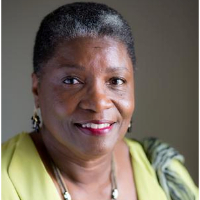
Florida · 12 yrs in practice
Works with Stress, Anxiety / Addictions / Parenting +9
Works by Client-Centered Therapy / Cognitive Behavioral Therapy (CBT)
Read profile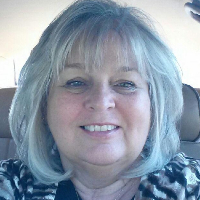
Florida · 16 yrs in practice
Works with Stress, Anxiety / Trauma and abuse / Self esteem +7
Works by Attachment-Based Therapy / Client-Centered Therapy
Read profile
Florida · 20 yrs in practice
Works with Stress, Anxiety / Relationship / Grief +2
Works by Acceptance and Commitment Therapy (ACT) / Attachment-Based Therapy
Read profile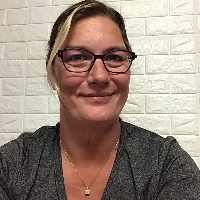
Indiana · 11 yrs in practice
Works with Stress, Anxiety / Addictions / Trauma and abuse +15
Works by Client-Centered Therapy / Cognitive Behavioral Therapy (CBT)
Read profile
Florida · 40 yrs in practice
Works with Stress, Anxiety / Addictions / Trauma and abuse +2
Works by Cognitive Behavioral Therapy (CBT) / Hypnotherapy
Read profile
Florida · 35 yrs in practice
Works with Stress, Anxiety / Family / Grief +17
Works by Attachment-Based Therapy / Client-Centered Therapy
Read profile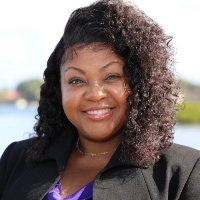
Florida · 9 yrs in practice
Works with Stress, Anxiety / Family / Parenting +12
Works by Client-Centered Therapy / Cognitive Behavioral Therapy (CBT)
Read profile
Florida · 9 yrs in practice
Works with Stress, Anxiety / Addictions / Self esteem +10
Works by Client-Centered Therapy / Cognitive Behavioral Therapy (CBT)
Read profile
New York · 9 yrs in practice
Works with Stress, Anxiety / Relationship / Parenting +2
Works by Acceptance and Commitment Therapy (ACT) / Client-Centered Therapy
Read profile
Florida · 10 yrs in practice
Works with Stress, Anxiety / Addictions / Relationship +8
Works by Client-Centered Therapy / Cognitive Behavioral Therapy (CBT)
Read profile
Washington · 50 yrs in practice
Works with Stress, Anxiety / Trauma and abuse / Intimacy-related issues +16
Works by Attachment-Based Therapy / Client-Centered Therapy
Read profile
Florida · 11 yrs in practice
Works with Stress, Anxiety / Trauma and abuse / Grief +9
Works by Acceptance and Commitment Therapy (ACT) / Attachment-Based Therapy
Read profile
Florida · 25 yrs in practice
Works with Stress, Anxiety / Addictions / Trauma and abuse +15
Works by Client-Centered Therapy / Cognitive Behavioral Therapy (CBT)
Read profile
New York · 7 yrs in practice
Works with Addictions / Relationship / Trauma and abuse +7
Works by Client-Centered Therapy / Cognitive Behavioral Therapy (CBT)
Read profile
Iowa · 9 yrs in practice
Works with Trauma and abuse / Grief / Anger +11
Works by Acceptance and Commitment Therapy (ACT) / Attachment-Based Therapy
Read profile
Iowa · 9 yrs in practice
Works with Stress, Anxiety / Trauma and abuse / Grief +13
Works by Acceptance and Commitment Therapy (ACT) / Client-Centered Therapy
Read profile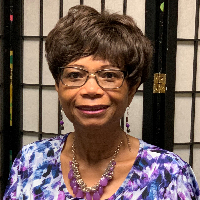
Indiana · 25 yrs in practice
Works with Stress, Anxiety / Relationship / Family +10
Works by Cognitive Behavioral Therapy (CBT) / Mindfulness Therapy
Read profile
New York · 10 yrs in practice · 2 languages
Works with Stress, Anxiety / Family / Self esteem +6
Works by Acceptance and Commitment Therapy (ACT) / Client-Centered Therapy
Read profile
Florida · 11 yrs in practice
Works with Stress, Anxiety / Family / Trauma and abuse +14
Works by Acceptance and Commitment Therapy (ACT) / Client-Centered Therapy
Read profile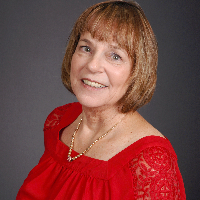
Texas · 12 yrs in practice
Works with Stress, Anxiety / Trauma and abuse / Anger +10
Works by Attachment-Based Therapy / Client-Centered Therapy
Read profile
Florida · 8 yrs in practice
Works with Stress, Anxiety / Addictions / Trauma and abuse +15
Works by Attachment-Based Therapy / Client-Centered Therapy
Read profile
Massachusetts · 10 yrs in practice
Works with Stress, Anxiety / LGBT / Relationship +11
Works by Acceptance and Commitment Therapy (ACT) / Attachment-Based Therapy
Read profile
Florida · 8 yrs in practice
Works with Stress, Anxiety / Family / Parenting +2
Works by Client-Centered Therapy / Cognitive Behavioral Therapy (CBT)
Read profile
New York · 38 yrs in practice
Works with Stress, Anxiety / Addictions / Relationship +16
Works by Acceptance and Commitment Therapy (ACT) / Attachment-Based Therapy
Read profile
Florida · 30 yrs in practice · 2 languages
Works with Stress, Anxiety / Relationship / Family +16
Works by Acceptance and Commitment Therapy (ACT) / Attachment-Based Therapy
Read profile
Washington · 10 yrs in practice
Works with Stress, Anxiety / Trauma and abuse / Self esteem +16
Works by Client-Centered Therapy / Cognitive Behavioral Therapy (CBT)
Read profile
Florida · 14 yrs in practice
Works with Stress, Anxiety / Relationship / Trauma and abuse +11
Works by Acceptance and Commitment Therapy (ACT) / Client-Centered Therapy
Read profile
Florida · 23 yrs in practice
Works with Stress, Anxiety / Self esteem / Career +12
Works by Client-Centered Therapy / Cognitive Behavioral Therapy (CBT)
Read profile
Florida · 24 yrs in practice
Works with Stress, Anxiety / Grief / Depression +14
Works by Client-Centered Therapy / Cognitive Behavioral Therapy (CBT)
Read profile
New York · 10 yrs in practice
Works with Stress, Anxiety / Relationship / Family +15
Works by Acceptance and Commitment Therapy (ACT) / Attachment-Based Therapy
Read profile
New York · 10 yrs in practice
Works with Stress, Anxiety / Family / Trauma and abuse +13
Works by Attachment-Based Therapy / Client-Centered Therapy
Read profileTrauma-Focused Therapy is a way of working that centers on the impacts of traumatic events and on helping you process those events so they interfere less with day-to-day life. The approach is guided by a few consistent principles: creating a structured plan for care, promoting coping skills that reduce distress, and addressing memories or reminders of trauma in a paced and collaborative way. Therapists who list Trauma-Focused Therapy among their approaches typically emphasize stabilizing symptoms first, then gradually helping you work through memories or patterns that maintain distress.
At its heart, Trauma-Focused Therapy views traumatic experiences as events that can reshape how you perceive yourself, others, and the world. Interventions are often designed to restore a sense of safety, improve emotion regulation, and rebuild a coherent narrative about what happened. Rather than avoiding the topic, you and your therapist will work together to identify manageable steps toward processing the trauma, while building practical skills for coping with strong emotions, intrusive memories, or triggers.
You are likely to encounter Trauma-Focused Therapy in the context of a wide range of concerns that trace back to distressing or frightening events. Many people pursue this approach after experiences such as accidents, natural disasters, assaults, medical trauma, or exposure to violence. It is also used by people who grew up with prolonged stress or neglect and who notice that past events continue to shape relationships, mood, and daily functioning.
Therapists who use Trauma-Focused Therapy often work with clients managing symptoms like intrusive memories, nightmares, heightened startle reactions, avoidance of reminders, intense anxiety or anger, and difficulties trusting others. You might also seek this therapy if you are experiencing sleep problems, concentration difficulties, or patterns of withdrawal and isolation that you connect to prior traumatic experiences. While the focus is on trauma-related responses, many people find that progress in this area also helps with co-occurring issues such as depression, panic, or interpersonal conflict.
Your first few sessions will usually involve an assessment of your current concerns, a review of your history, and a conversation about what you hope to achieve. You and the therapist will discuss a plan that respects your pace and preferences. Sessions often include a mix of skill-building and reflective work. Early meetings may prioritize coping strategies to help you manage distress so you feel ready to engage with more emotionally charged material.
In practice, a session might begin with a brief check-in about symptoms or recent stressors, followed by a focus on a specific skill or a targeted exploration of a memory or belief. Therapists use a range of methods to help you process trauma, and they tend to tailor the balance between stabilization and memory-focused work to your current level of comfort. Homework or practice between sessions is common, usually in the form of skills to try in everyday situations or gentle exercises to consolidate gains. Overall, the process is collaborative and paced to reduce the risk of becoming overwhelmed.
Trauma-Focused Therapy is distinguished by its explicit emphasis on understanding and addressing the role of traumatic experiences in current difficulties. Unlike approaches that center primarily on present-day patterns or on broad self-exploration, Trauma-Focused Therapy usually combines practical coping skills with direct attention to memories and triggers related to trauma. This can mean that sessions are more structured around specific goals tied to trauma processing and symptom reduction.
Compared with general supportive counseling, Trauma-Focused Therapy often includes targeted strategies aimed at changing how trauma memories are held and experienced. Compared with therapies that focus mainly on exploring long-term personality patterns, Trauma-Focused Therapy places more emphasis on immediate symptom management and on exercises that address traumatic memories or avoidance behaviors. Therapists who list Trauma-Focused Therapy among their approaches may integrate techniques from other modalities when those techniques help achieve trauma-focused goals, so the lines between approaches can be flexible depending on the practitioner and client.
If you feel that past events are shaping your mood, relationships, or daily functioning, Trauma-Focused Therapy may be relevant to your goals. People who notice persistent reactivity to reminders, patterns of avoidance, or difficulty feeling safe in relationships often look to this approach for focused help. It can be appropriate whether your experience involves a single event or repeated exposures over time. Your readiness to engage with material related to trauma is an important consideration, and a thoughtful therapist will work with you to assess pacing and readiness rather than moving too quickly.
When you search for a therapist who lists Trauma-Focused Therapy among their approaches, take time to review profiles for factors that matter most to you. Look at stated focus areas, clinical experience, professional license, languages spoken, and notes about populations they work with. Consider how a therapist describes their approach to trauma work - whether they emphasize stabilization, narrative processing, skills training, or a combination. You may want to prioritize clinicians who mention experience with specific populations or cultural perspectives that align with yours.
Preparing a few concise questions for an initial consultation can help you gauge fit. You might ask how they typically structure trauma-focused work, how they approach pacing and safety, and what they recommend to clients between sessions. It is also reasonable to inquire about session length, fee structure, and whether they work with your insurance or payment method. Reading client-facing descriptions and sample materials on a therapist profile can give you a sense of their style and priorities before you reach out.
Remember that finding the right therapist is a practical process. Profiles in this directory are a starting point to compare focus areas, credentials, languages, and general approaches. As you explore options, give yourself permission to seek a clinician whose communication style and treatment philosophy align with what feels most manageable and hopeful for you.
Arizona
7 therapists
California
11 therapists
Connecticut
8 therapists
Florida
1340 therapists
Georgia
11 therapists
Hawaii
38 therapists
Illinois
16 therapists
Indiana
143 therapists
Iowa
57 therapists
Louisiana
6 therapists
Maryland
6 therapists
Massachusetts
133 therapists
Minnesota
6 therapists
Missouri
12 therapists
Nebraska
14 therapists
Nevada
5 therapists
New Hampshire
7 therapists
New Jersey
17 therapists
New York
517 therapists
North Carolina
11 therapists
Ohio
13 therapists
Oregon
9 therapists
Pennsylvania
14 therapists
Rhode Island
21 therapists
South Carolina
10 therapists
Texas
27 therapists
Utah
12 therapists
Virginia
10 therapists
Washington
204 therapists
Wisconsin
6 therapists