
Dr. Daniella Jackson, LMHC
Florida · 20 yrs in practice · 2 languages
Works with Stress, Anxiety / Addictions / Relationship +17
Works by Acceptance and Commitment Therapy (ACT) / Attachment-Based Therapy
Read profileTherapist listings come from BetterHelp. We will earn a commission if you sign up through a link on this page, at no extra cost to you, and it does not change the order of the listings.
This page lists therapists who indicate LGBT as a specialty, with profile details about focus areas, approaches, credentials and languages. Browse the listings below to explore counselors and review profiles that match what you need.
Florida · 20 yrs in practice · 2 languages
Works with Stress, Anxiety / Addictions / Relationship +17
Works by Acceptance and Commitment Therapy (ACT) / Attachment-Based Therapy
Read profile
Florida · 25 yrs in practice · 2 languages
Works with Relationship / Trauma and abuse / Grief +13
Works by Client-Centered Therapy / Eye Movement Desensitization and Reprocessing (EMDR)
Read profile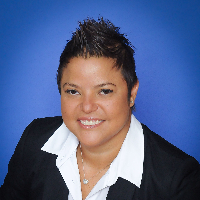
Florida · 21 yrs in practice
Works with Stress, Anxiety / Addictions / LGBT +10
Works by Acceptance and Commitment Therapy (ACT) / Client-Centered Therapy
Read profile
New York · 5 yrs in practice · 2 languages
Works with Stress, Anxiety / LGBT / Trauma and abuse +13
Works by Acceptance and Commitment Therapy (ACT) / Attachment-Based Therapy
Read profile
Pennsylvania · 12 yrs in practice
Works with Stress, Anxiety / Relationship / Self esteem +12
Works by Client-Centered Therapy / Cognitive Behavioral Therapy (CBT)
Read profile
New York · 9 yrs in practice
Works with Stress, Anxiety / Anger / Self esteem +14
Works by Acceptance and Commitment Therapy (ACT) / Client-Centered Therapy
Read profile
Florida · 26 yrs in practice
Works with Stress, Anxiety / Relationship / Anger +14
Works by Client-Centered Therapy / Cognitive Behavioral Therapy (CBT)
Read profile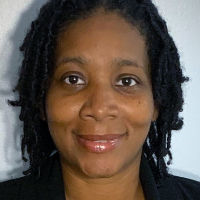
Florida · 13 yrs in practice
Works with Stress, Anxiety / Anger / Depression +14
Works by Cognitive Behavioral Therapy (CBT) / Dialectical Behavior Therapy (DBT)
Read profile
Florida · 3 yrs in practice
Works with Stress, Anxiety / Family / Trauma and abuse +16
Read profile
Florida · 30 yrs in practice
Works with Stress, Anxiety / Trauma and abuse / Bipolar +17
Works by Client-Centered Therapy / Cognitive Behavioral Therapy (CBT)
Read profile
Florida · 30 yrs in practice
Works with Stress, Anxiety / Relationship / Trauma and abuse +15
Works by Acceptance and Commitment Therapy (ACT) / Client-Centered Therapy
Read profile
Florida · 15 yrs in practice
Works with Stress, Anxiety / Addictions / Trauma and abuse +15
Works by Acceptance and Commitment Therapy (ACT) / Client-Centered Therapy
Read profile
Florida · 20 yrs in practice
Works with Addictions / Relationship / Trauma and abuse +15
Works by Acceptance and Commitment Therapy (ACT) / Attachment-Based Therapy
Read profile
Florida · 19 yrs in practice
Works with Stress, Anxiety / Family / Grief +13
Works by Acceptance and Commitment Therapy (ACT) / Client-Centered Therapy
Read profile
Florida · 20 yrs in practice
Works with Stress, Anxiety / Grief / Self esteem +10
Works by Client-Centered Therapy / Cognitive Behavioral Therapy (CBT)
Read profile
Florida · 24 yrs in practice
Works with Stress, Anxiety / Addictions / Grief +15
Works by Acceptance and Commitment Therapy (ACT) / Client-Centered Therapy
Read profile
Florida · 13 yrs in practice
Works with Stress, Anxiety / Self esteem / Depression +8
Works by Acceptance and Commitment Therapy (ACT) / Client-Centered Therapy
Read profile
Florida · 26 yrs in practice
Works with Stress, Anxiety / Addictions / LGBT +2
Read profile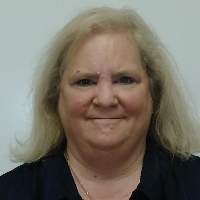
Florida · 17 yrs in practice
Works with Stress, Anxiety / Addictions / LGBT +12
Works by Client-Centered Therapy / Cognitive Behavioral Therapy (CBT)
Read profile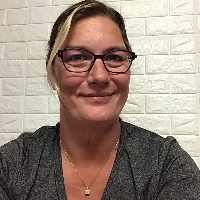
Indiana · 11 yrs in practice
Works with Stress, Anxiety / Addictions / Trauma and abuse +15
Works by Client-Centered Therapy / Cognitive Behavioral Therapy (CBT)
Read profile
Florida · 28 yrs in practice
Works with Stress, Anxiety / Addictions / Relationship +15
Read profile
Florida · 13 yrs in practice
Works with Stress, Anxiety / Depression / Addictions +7
Read profile
Florida · 35 yrs in practice
Works with Stress, Anxiety / Family / Grief +17
Works by Attachment-Based Therapy / Client-Centered Therapy
Read profile
Florida · 9 yrs in practice
Works with Stress, Anxiety / Family / Parenting +12
Works by Client-Centered Therapy / Cognitive Behavioral Therapy (CBT)
Read profile
New York · 21 yrs in practice
Works with Stress, Anxiety / Addictions / Depression +11
Read profile
New York · 20 yrs in practice · 3 languages
Works with Stress, Anxiety / Relationship / Family +16
Works by Client-Centered Therapy / Cognitive Behavioral Therapy (CBT)
Read profile
Massachusetts · 30 yrs in practice
Works with Addictions / Family / Trauma and abuse +17
Read profile
Florida · 20 yrs in practice
Works with Stress, Anxiety / Addictions / Relationship +15
Read profile
Washington · 50 yrs in practice
Works with Stress, Anxiety / Trauma and abuse / Intimacy-related issues +16
Works by Attachment-Based Therapy / Client-Centered Therapy
Read profile
Florida · 11 yrs in practice
Works with Stress, Anxiety / Trauma and abuse / Grief +9
Works by Acceptance and Commitment Therapy (ACT) / Attachment-Based Therapy
Read profile
Florida · 25 yrs in practice
Works with Stress, Anxiety / Addictions / Trauma and abuse +15
Works by Client-Centered Therapy / Cognitive Behavioral Therapy (CBT)
Read profile
New York · 17 yrs in practice · 3 languages
Works with Stress, Anxiety / Self esteem / Career +15
Works by Psychodynamic Therapy / Solution-Focused Therapy
Read profile
Florida · 30 yrs in practice
Works with Stress, Anxiety / Family / Trauma and abuse +15
Works by Client-Centered Therapy / Cognitive Behavioral Therapy (CBT)
Read profile
New York · 7 yrs in practice
Works with Addictions / Relationship / Trauma and abuse +7
Works by Client-Centered Therapy / Cognitive Behavioral Therapy (CBT)
Read profile
Florida · 30 yrs in practice
Works with Addictions / Relationship / Family +14
Works by Cognitive Behavioral Therapy (CBT) / Solution-Focused Therapy
Read profile
Iowa · 9 yrs in practice
Works with Stress, Anxiety / Trauma and abuse / Grief +13
Works by Acceptance and Commitment Therapy (ACT) / Client-Centered Therapy
Read profile
Florida · 25 yrs in practice
Works with Stress, Anxiety / Relationship / Family +14
Read profile
Florida · 34 yrs in practice
Works with Stress, Anxiety / Family / Parenting +12
Works by Client-Centered Therapy / Cognitive Behavioral Therapy (CBT)
Read profile
Florida · 11 yrs in practice
Works with Stress, Anxiety / Family / Trauma and abuse +14
Works by Acceptance and Commitment Therapy (ACT) / Client-Centered Therapy
Read profile
Florida · 8 yrs in practice
Works with Stress, Anxiety / Addictions / Trauma and abuse +15
Works by Attachment-Based Therapy / Client-Centered Therapy
Read profile
Massachusetts · 10 yrs in practice
Works with Stress, Anxiety / LGBT / Relationship +11
Works by Acceptance and Commitment Therapy (ACT) / Attachment-Based Therapy
Read profile
Nevada · 20 yrs in practice
Works with Stress, Anxiety / Self esteem / Depression +9
Works by Attachment-Based Therapy / Client-Centered Therapy
Read profile
New York · 7 yrs in practice
Works with Addictions / Relationship / Intimacy-related issues +4
Works by Cognitive Behavioral Therapy (CBT) / Motivational Interviewing
Read profile
Florida · 20 yrs in practice
Works with Stress, Anxiety / Relationship / Grief +15
Works by Client-Centered Therapy / Cognitive Behavioral Therapy (CBT)
Read profile
New York · 38 yrs in practice
Works with Stress, Anxiety / Addictions / Relationship +16
Works by Acceptance and Commitment Therapy (ACT) / Attachment-Based Therapy
Read profile
Washington · 10 yrs in practice
Works with Stress, Anxiety / Trauma and abuse / Self esteem +16
Works by Client-Centered Therapy / Cognitive Behavioral Therapy (CBT)
Read profile
Florida · 24 yrs in practice
Works with Stress, Anxiety / Grief / Depression +14
Works by Client-Centered Therapy / Cognitive Behavioral Therapy (CBT)
Read profile
Florida · 11 yrs in practice
Works with Stress, Anxiety / Addictions / Depression +12
Works by Client-Centered Therapy / Cognitive Behavioral Therapy (CBT)
Read profileLGBT is an umbrella term that refers to people who identify as lesbian, gay, bisexual, and transgender, and it often includes queer and other sexual and gender minorities. These identities shape how you experience relationships, community, and social life. Identity can influence your mental health because of the social context you live in - stigma, discrimination, family reactions, and legal or workplace issues can all affect stress levels, mood, and your sense of belonging. Therapy that focuses on LGBT concerns recognizes that these social factors often interact with personal history and coping patterns.
While many people in the LGBT community encounter similar pressures such as coming out, negotiating relationships, or dealing with minority stress, your experiences will be unique. Race, culture, age, socioeconomic status, ability, and religious background shape how you understand your identity and the challenges you face. When you look for therapeutic support, it helps to seek counselors who acknowledge both the common themes and the specific context of your life so that care feels relevant and responsive to you.
You might consider therapy if you find that questions about identity, relationships, or acceptance are causing persistent distress, such as anxiety, low mood, or trouble sleeping. Difficult feelings can show up as heightened worry about being judged, avoidance of social situations where you might be misread, or strained interactions with family or partners. If identity-related stress affects your work, school, or daily functioning, talking with a mental health professional can help you sort through emotions and develop strategies for coping.
Many people come to therapy during particular life transitions - coming out, beginning or ending relationships, pursuing gender-affirming care, or navigating family dynamics when acceptance is uncertain. You may also reach out after experiencing discrimination, bullying, or trauma related to your sexual orientation or gender identity. Therapy can be a space to process those events, build resilience, and plan next steps for your relationships and personal safety. If you are unsure whether therapy is right for you, an initial conversation with a therapist can clarify what support might help.
Therapy that focuses on LGBT concerns often begins with an intake conversation to understand your identity, background, goals, and current stressors. In early sessions you and your therapist will typically discuss what matters most to you, such as improving relationships, reducing anxiety, processing past harm, or exploring gender expression. The pace and emphasis depend on your priorities and needs. Some sessions may center on emotional processing, while others focus on practical planning for coming out, navigating medical systems, or managing conflict with family members.
When you attend therapy, you should expect a setting where your experiences are taken seriously and you are treated with respect. Your chosen name, pronouns, and identity descriptors should be used consistently. If you have specific cultural or religious considerations, a therapist can explore how those intersect with your sexual or gender identity. Therapy can include conversations about relationships, intimacy, identity exploration, and coping strategies without making assumptions about your goals or background.
Therapists use a range of evidence-informed approaches to support LGBT clients. You will find counselors who list cognitive-behavioral therapy or CBT among their approaches, which focuses on identifying unhelpful thinking patterns and building practical coping skills. Some therapists describe narrative therapy, which helps you examine the stories you tell about yourself and rewrite those that feel limiting. Emotion-focused work can help you process feelings that arise from identity-related stress, while interpersonal and family systems approaches address relationship dynamics and communication patterns.
If you have experienced bullying, assault, or other traumatic events, you may come across therapists who list trauma-informed methods among their approaches, or who list EMDR among their approaches. Couples or family therapy modalities can help when relationship issues, nonmonogamy, or family acceptance are central concerns. Mindfulness-based strategies and stress reduction techniques are commonly used to manage anxiety and improve emotional regulation. When reviewing profiles, look for therapists who describe approaches that resonate with how you prefer to work - whether you want skills-based strategies, exploratory identity work, or relational focus.
Online therapy connects you with counselors through video, phone, or messaging platforms, allowing you to access support from your home or another comfortable environment. For LGBT clients, online formats can expand access to therapists who specialize in identity-related work, especially if local in-person options are limited. You can expect to discuss information-sharing boundaries practices, communication preferences, and session logistics at the start. Technology makes it easier to maintain continuity when you move between locations or need flexible scheduling. If you will be using video, ensuring a quiet, personal space can help you focus during sessions.
When selecting a therapist, focus on the aspects that will matter most to you. Consider clinicians who list LGBT among their specialties and who describe experience with issues similar to yours, such as family dynamics, relationship counseling, gender exploration, or trauma. Look at the approaches they list to see if they align with how you prefer to work. Language abilities, cultural background, and stated areas of focus can also influence fit. Reading profiles and initial contact notes can give a sense of whether a therapist’s style and priorities match what you want to address.
Before your first session, you may want to prepare questions about how a therapist approaches identity-affirming care and how they have worked with clients facing similar challenges. Asking about their experience with your particular concerns - for example, family rejection, navigating medical systems, or relationship patterns - can help you gauge fit. You might also ask how they handle moments of conflict or misunderstanding so you know there is space to raise concerns if therapy is not meeting your needs. Trust your sense of comfort; it is reasonable to look for a clinician who listens, adapts, and collaborates with you on goals.
Finding the right therapist can take time, and many people try more than one clinician before finding a good match. Use profiles and initial conversations to identify professionals who reflect the priorities you have for identity-focused support. Whether you are exploring identity, seeking help after a painful event, or wanting to strengthen relationships, thoughtful selection and clear communication about your goals can make therapy more effective and meaningful for you.
Arizona
7 therapists
California
11 therapists
Connecticut
8 therapists
Florida
1340 therapists
Georgia
11 therapists
Hawaii
38 therapists
Illinois
16 therapists
Indiana
143 therapists
Iowa
57 therapists
Louisiana
6 therapists
Maryland
6 therapists
Massachusetts
133 therapists
Minnesota
6 therapists
Missouri
12 therapists
Nebraska
14 therapists
Nevada
5 therapists
New Hampshire
7 therapists
New Jersey
17 therapists
New York
517 therapists
North Carolina
11 therapists
Ohio
13 therapists
Oregon
9 therapists
Pennsylvania
14 therapists
Rhode Island
21 therapists
South Carolina
10 therapists
Texas
27 therapists
Utah
12 therapists
Virginia
10 therapists
Washington
204 therapists
Wisconsin
6 therapists