
Miriam Perrin, LMHC
Florida · 16 yrs in practice
Works with Stress, Anxiety / Relationship / Trauma and abuse +7
Works by Cognitive Behavioral Therapy (CBT) / Solution-Focused Therapy
Read profileTherapist listings come from BetterHelp. We will earn a commission if you sign up through a link on this page, at no extra cost to you, and it does not change the order of the listings.
This page features mental health clinicians who list attachment issues as a focus in their practice. You can read profiles to compare approaches, credentials, languages, and experience. Browse the listings below to explore therapists who may match your needs.
Florida · 16 yrs in practice
Works with Stress, Anxiety / Relationship / Trauma and abuse +7
Works by Cognitive Behavioral Therapy (CBT) / Solution-Focused Therapy
Read profile
Florida · 20 yrs in practice · 2 languages
Works with Stress, Anxiety / Addictions / Relationship +17
Works by Acceptance and Commitment Therapy (ACT) / Attachment-Based Therapy
Read profile
Florida · 25 yrs in practice · 2 languages
Works with Relationship / Trauma and abuse / Grief +13
Works by Client-Centered Therapy / Eye Movement Desensitization and Reprocessing (EMDR)
Read profile
New York · 5 yrs in practice · 2 languages
Works with Stress, Anxiety / LGBT / Trauma and abuse +13
Works by Acceptance and Commitment Therapy (ACT) / Attachment-Based Therapy
Read profile
Pennsylvania · 12 yrs in practice
Works with Stress, Anxiety / Relationship / Self esteem +12
Works by Client-Centered Therapy / Cognitive Behavioral Therapy (CBT)
Read profile
New York · 11 yrs in practice
Works with Stress, Anxiety / Grief / Self esteem +9
Works by Acceptance and Commitment Therapy (ACT) / Attachment-Based Therapy
Read profile
Florida · 26 yrs in practice
Works with Stress, Anxiety / Relationship / Anger +14
Works by Client-Centered Therapy / Cognitive Behavioral Therapy (CBT)
Read profile
Florida · 30 yrs in practice
Works with Stress, Anxiety / Trauma and abuse / Bipolar +17
Works by Client-Centered Therapy / Cognitive Behavioral Therapy (CBT)
Read profile
Florida · 18 yrs in practice
Works with Stress, Anxiety / Relationship / Grief +13
Works by Client-Centered Therapy / Cognitive Behavioral Therapy (CBT)
Read profile
Florida · 30 yrs in practice
Works with Stress, Anxiety / Relationship / Trauma and abuse +15
Works by Acceptance and Commitment Therapy (ACT) / Client-Centered Therapy
Read profile
Florida · 15 yrs in practice
Works with Stress, Anxiety / Addictions / Trauma and abuse +15
Works by Acceptance and Commitment Therapy (ACT) / Client-Centered Therapy
Read profile
Indiana · 8 yrs in practice
Works with Stress, Anxiety / Addictions / Family +16
Works by Acceptance and Commitment Therapy (ACT) / Attachment-Based Therapy
Read profile
Florida · 20 yrs in practice
Works with Addictions / Relationship / Trauma and abuse +15
Works by Acceptance and Commitment Therapy (ACT) / Attachment-Based Therapy
Read profile
Florida · 17 yrs in practice
Works with Stress, Anxiety / Trauma and abuse / Eating +15
Works by Acceptance and Commitment Therapy (ACT) / Client-Centered Therapy
Read profile
Florida · 19 yrs in practice
Works with Stress, Anxiety / Family / Grief +13
Works by Acceptance and Commitment Therapy (ACT) / Client-Centered Therapy
Read profile
New York · 6 yrs in practice
Works with Stress, Anxiety / Parenting / Anger +13
Works by Client-Centered Therapy / Cognitive Behavioral Therapy (CBT)
Read profile
Florida · 24 yrs in practice
Works with Stress, Anxiety / Addictions / Grief +15
Works by Acceptance and Commitment Therapy (ACT) / Client-Centered Therapy
Read profile
Florida · 16 yrs in practice
Works with Stress, Anxiety / Trauma and abuse / Self esteem +7
Works by Attachment-Based Therapy / Client-Centered Therapy
Read profile
New York · 18 yrs in practice · 3 languages
Works with Stress, Anxiety / Relationship / Parenting +2
Read profile
Florida · 8 yrs in practice · 4 languages
Works with Stress, Anxiety / Relationship / Family +10
Works by Client-Centered Therapy / Cognitive Behavioral Therapy (CBT)
Read profile
New Jersey · 10 yrs in practice
Works with Stress, Anxiety / Relationship / Family +5
Works by Attachment-Based Therapy / Client-Centered Therapy
Read profile
Florida · 20 yrs in practice
Works with Stress, Anxiety / Relationship / Grief +2
Works by Acceptance and Commitment Therapy (ACT) / Attachment-Based Therapy
Read profile
Florida · 25 yrs in practice
Works with Stress, Anxiety / Relationship / Trauma and abuse +3
Works by Cognitive Behavioral Therapy (CBT) / Dialectical Behavior Therapy (DBT)
Read profile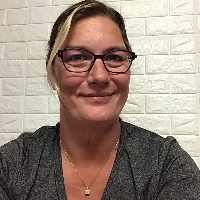
Indiana · 11 yrs in practice
Works with Stress, Anxiety / Addictions / Trauma and abuse +15
Works by Client-Centered Therapy / Cognitive Behavioral Therapy (CBT)
Read profile
Florida · 35 yrs in practice
Works with Stress, Anxiety / Family / Grief +17
Works by Attachment-Based Therapy / Client-Centered Therapy
Read profile
New Jersey · 9 yrs in practice
Works with Stress, Anxiety / Addictions / Self esteem +16
Works by Client-Centered Therapy / Cognitive Behavioral Therapy (CBT)
Read profile
Florida · 9 yrs in practice
Works with Stress, Anxiety / Addictions / Self esteem +10
Works by Client-Centered Therapy / Cognitive Behavioral Therapy (CBT)
Read profile
New York · 9 yrs in practice
Works with Stress, Anxiety / Relationship / Parenting +2
Works by Acceptance and Commitment Therapy (ACT) / Client-Centered Therapy
Read profile
Florida · 10 yrs in practice
Works with Stress, Anxiety / Addictions / Relationship +8
Works by Client-Centered Therapy / Cognitive Behavioral Therapy (CBT)
Read profile
Florida · 25 yrs in practice
Works with Stress, Anxiety / Addictions / Trauma and abuse +15
Works by Client-Centered Therapy / Cognitive Behavioral Therapy (CBT)
Read profile
New York · 7 yrs in practice
Works with Addictions / Relationship / Trauma and abuse +7
Works by Client-Centered Therapy / Cognitive Behavioral Therapy (CBT)
Read profile
Iowa · 9 yrs in practice
Works with Trauma and abuse / Grief / Anger +11
Works by Acceptance and Commitment Therapy (ACT) / Attachment-Based Therapy
Read profile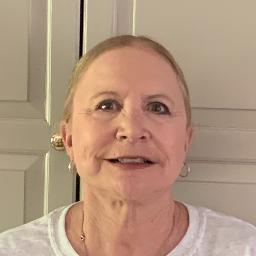
Arizona · 10 yrs in practice
Works with Stress, Anxiety / Addictions / Relationship +15
Works by Acceptance and Commitment Therapy (ACT) / Attachment-Based Therapy
Read profile
New York · 10 yrs in practice · 2 languages
Works with Stress, Anxiety / Family / Self esteem +6
Works by Acceptance and Commitment Therapy (ACT) / Client-Centered Therapy
Read profile
Florida · 25 yrs in practice
Works with Stress, Anxiety / Relationship / Family +14
Read profile
Washington · 22 yrs in practice
Works with Stress, Anxiety / Relationship / Family +12
Works by Attachment-Based Therapy / Client-Centered Therapy
Read profile
Florida · 11 yrs in practice
Works with Stress, Anxiety / Family / Trauma and abuse +14
Works by Acceptance and Commitment Therapy (ACT) / Client-Centered Therapy
Read profile
Rhode Island · 20 yrs in practice
Works with Stress, Anxiety / Relationship / Family +15
Works by Acceptance and Commitment Therapy (ACT) / Cognitive Behavioral Therapy (CBT)
Read profile
Texas · 12 yrs in practice
Works with Stress, Anxiety / Trauma and abuse / Anger +10
Works by Attachment-Based Therapy / Client-Centered Therapy
Read profile
Florida · 8 yrs in practice
Works with Stress, Anxiety / Addictions / Trauma and abuse +15
Works by Attachment-Based Therapy / Client-Centered Therapy
Read profile
Massachusetts · 10 yrs in practice
Works with Stress, Anxiety / LGBT / Relationship +11
Works by Acceptance and Commitment Therapy (ACT) / Attachment-Based Therapy
Read profile
Nevada · 20 yrs in practice
Works with Stress, Anxiety / Self esteem / Depression +9
Works by Attachment-Based Therapy / Client-Centered Therapy
Read profile
New York · 7 yrs in practice
Works with Addictions / Relationship / Intimacy-related issues +4
Works by Cognitive Behavioral Therapy (CBT) / Motivational Interviewing
Read profile
New York · 38 yrs in practice
Works with Stress, Anxiety / Addictions / Relationship +16
Works by Acceptance and Commitment Therapy (ACT) / Attachment-Based Therapy
Read profile
Florida · 30 yrs in practice · 2 languages
Works with Stress, Anxiety / Relationship / Family +16
Works by Acceptance and Commitment Therapy (ACT) / Attachment-Based Therapy
Read profile
New York · 10 yrs in practice
Works with Stress, Anxiety / Relationship / Family +15
Works by Acceptance and Commitment Therapy (ACT) / Attachment-Based Therapy
Read profile
New York · 10 yrs in practice
Works with Stress, Anxiety / Family / Trauma and abuse +13
Works by Attachment-Based Therapy / Client-Centered Therapy
Read profile
New York · 11 yrs in practice
Works with Stress, Anxiety / Relationship / Family +12
Works by Acceptance and Commitment Therapy (ACT) / Attachment-Based Therapy
Read profileAttachment describes the emotional bonds you form with caregivers and important people in your life. Those early patterns shape how you relate to others, regulate emotions, and respond to stress. When attachment patterns become rigid or disrupted, you may notice recurring relationship challenges, difficulty trusting others, or trouble managing intense feelings. Attachment issues are not a single diagnosis but a way of understanding long-standing patterns that influence behavior and relationships.
If you have attachment concerns you might find yourself reacting strongly in relationships, oscillating between closeness and distance, or feeling chronically numb or disconnected. You may experience anxiety around abandonment, difficulty relying on others, or a persistent sense that your needs will not be met. These patterns can show up in romantic relationships, in friendships, and in the way you relate to authority figures. Understanding attachment gives you a language for these patterns and a roadmap for change.
You might consider seeking therapy if you notice that relationship problems repeat despite different partners or circumstances. You may feel overwhelmed by jealousy, fear of rejection, or persistent withdrawal when someone gets emotionally close. Some people find themselves either clinging to partners or pushing them away, feeling stuck in cycles that seem hard to break. Others describe ongoing difficulty trusting people or feeling unseen even when they are in relationships.
Attachment issues can also affect your work, parenting, and general sense of wellbeing. You might avoid intimacy that could enrich your life or become hypervigilant about perceived threats to relationships. Sleep, concentration, and your ability to manage stress can suffer when attachment patterns are active. Therapy can offer methods to observe these responses, develop alternative ways of relating, and practice new emotional habits in a supportive context.
In the first few sessions, your therapist will listen to your history and current difficulties to form a picture of your attachment patterns. You can expect questions about family background, significant relationships, and how you manage emotions. The initial phase is often about forming trust with the therapist and agreeing on goals. This relationship itself becomes a place to notice how you connect, withdraw, or test boundaries, which provides useful material for the work ahead.
As therapy continues, you and your clinician will explore recurring relational themes and practice new ways of relating. Sessions often combine talking about past patterns with in-session experiences that invite different responses. You may be guided to notice bodily sensations, thought patterns, or urges that arise in relational moments and to experiment with new behaviors. Over time you can build alternative habits that feel more flexible and intentional. Many people find that gains are gradual, with small shifts in how they communicate, ask for needs, and tolerate closeness.
Many therapists use relational and psychodynamic ideas to explore how early experiences shape current relationships. In this work you examine patterns that developed in childhood and trace how they are replayed in adult life. Some therapists who list psychodynamic or relational approaches focus on the therapeutic relationship as a primary tool for change, noticing how you and the clinician interact as a living example of your attachment style.
Emotion-focused approaches emphasize your underlying feelings and aim to help you access, tolerate, and transform emotional responses that maintain attachment difficulties. Therapists who list emotion-focused methods often help you identify unmet needs, process painful experiences, and practice expressing emotions in ways that improve connection. Experiential techniques can include role-play or guided imagery to practice different relational responses in a contained setting.
Cognitive-behavioral techniques are used to identify the thoughts and beliefs that drive anxious or avoidant responses in relationships. Therapists who list CBT among their approaches may help you challenge unhelpful assumptions, experiment with new behaviors, and develop skills for emotion regulation. These approaches can complement relational work by offering concrete strategies to manage distress and change patterns over time.
Online therapy for attachment issues typically uses video or phone sessions to recreate the conversational and relational space of in-person work. You can expect scheduled sessions that focus on your history, current relationships, and the patterns you want to change. Some people find that meeting from home makes it easier to access therapy while maintaining daily responsibilities. You will want to check technical requirements like a reliable internet connection and a device with a camera if you prefer video sessions. Many clinicians will explain how they handle privacy and professional boundaries, and you can ask about their approach to working online before you begin.
When selecting a clinician for attachment work, look for profiles that describe experience with relational themes, attachment language, or relevant populations such as couples or families if that applies to you. Pay attention to the approaches a therapist lists - for example, some therapists list emotion-focused work, attachment-based approaches, or cognitive-behavioral strategies - and think about whether you prefer a more exploratory, insight-oriented process or a skills-based path. Consider practical factors like languages spoken and years of experience with similar concerns. Reading multiple profiles can help you identify clinicians whose descriptions resonate with your goals and communication style.
Once you begin working with a therapist, give the relationship time to develop. It is normal for progress to include setbacks and moments of discomfort as you face familiar patterns. You can improve the fit by being open about what feels helpful or unhelpful in sessions, asking questions about the therapist's approach, and discussing your goals. Over months of consistent work many people notice greater flexibility in relationships, improved emotional regulation, and increased capacity to form supportive connections.
Attachment-focused therapy is a collaborative process that invites you to examine long-standing patterns and practice new ways of relating in the context of a professional relationship. By learning about different approaches and choosing a clinician whose description aligns with your needs, you can take deliberate steps toward healthier relationships and a more balanced emotional life.
Arizona
7 therapists
California
11 therapists
Connecticut
8 therapists
Florida
1340 therapists
Georgia
11 therapists
Hawaii
38 therapists
Illinois
16 therapists
Indiana
143 therapists
Iowa
57 therapists
Louisiana
6 therapists
Maryland
6 therapists
Massachusetts
133 therapists
Minnesota
6 therapists
Missouri
12 therapists
Nebraska
14 therapists
Nevada
5 therapists
New Hampshire
7 therapists
New Jersey
17 therapists
New York
517 therapists
North Carolina
11 therapists
Ohio
13 therapists
Oregon
9 therapists
Pennsylvania
14 therapists
Rhode Island
21 therapists
South Carolina
10 therapists
Texas
27 therapists
Utah
12 therapists
Virginia
10 therapists
Washington
204 therapists
Wisconsin
6 therapists