
Dr. Daniella Jackson, LMHC
Florida · 20 yrs in practice · 2 languages
Works with Stress, Anxiety / Addictions / Relationship +17
Works by Acceptance and Commitment Therapy (ACT) / Attachment-Based Therapy
Read profileTherapist listings come from BetterHelp. We will earn a commission if you sign up through a link on this page, at no extra cost to you, and it does not change the order of the listings.
On this page you will find profiles of therapists who work with impulsivity and related challenges. Each listing highlights focus areas, approaches, credentials, languages, and experience to help you explore options. Browse the therapist listings below to learn more and identify practitioners who match what you need.
Florida · 20 yrs in practice · 2 languages
Works with Stress, Anxiety / Addictions / Relationship +17
Works by Acceptance and Commitment Therapy (ACT) / Attachment-Based Therapy
Read profile
Pennsylvania · 12 yrs in practice
Works with Stress, Anxiety / Relationship / Self esteem +12
Works by Client-Centered Therapy / Cognitive Behavioral Therapy (CBT)
Read profile
Florida · 26 yrs in practice
Works with Stress, Anxiety / Relationship / Anger +14
Works by Client-Centered Therapy / Cognitive Behavioral Therapy (CBT)
Read profile
Florida · 15 yrs in practice
Works with Stress, Anxiety / Addictions / Trauma and abuse +15
Works by Acceptance and Commitment Therapy (ACT) / Client-Centered Therapy
Read profile
Indiana · 8 yrs in practice
Works with Stress, Anxiety / Addictions / Family +16
Works by Acceptance and Commitment Therapy (ACT) / Attachment-Based Therapy
Read profile
Florida · 20 yrs in practice
Works with Addictions / Relationship / Trauma and abuse +15
Works by Acceptance and Commitment Therapy (ACT) / Attachment-Based Therapy
Read profile
Florida · 17 yrs in practice
Works with Stress, Anxiety / Trauma and abuse / Eating +15
Works by Acceptance and Commitment Therapy (ACT) / Client-Centered Therapy
Read profile
Florida · 30 yrs in practice
Works with Addictions / Relationship / Self esteem +4
Works by Cognitive Behavioral Therapy (CBT) / Motivational Interviewing
Read profile
New York · 6 yrs in practice
Works with Stress, Anxiety / Parenting / Anger +13
Works by Client-Centered Therapy / Cognitive Behavioral Therapy (CBT)
Read profile
Florida · 24 yrs in practice
Works with Stress, Anxiety / Addictions / Grief +15
Works by Acceptance and Commitment Therapy (ACT) / Client-Centered Therapy
Read profile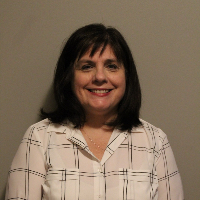
New York · 36 yrs in practice
Works with Stress, Anxiety / Family / Parenting +8
Works by Client-Centered Therapy / Cognitive Behavioral Therapy (CBT)
Read profile
Florida · 16 yrs in practice
Works with Stress, Anxiety / Trauma and abuse / Self esteem +7
Works by Attachment-Based Therapy / Client-Centered Therapy
Read profile
New York · 18 yrs in practice · 3 languages
Works with Stress, Anxiety / Relationship / Parenting +2
Read profile
Florida · 20 yrs in practice
Works with Stress, Anxiety / Relationship / Grief +2
Works by Acceptance and Commitment Therapy (ACT) / Attachment-Based Therapy
Read profile
Indiana · 11 yrs in practice
Works with Stress, Anxiety / Addictions / Trauma and abuse +15
Works by Client-Centered Therapy / Cognitive Behavioral Therapy (CBT)
Read profile
Florida · 35 yrs in practice
Works with Stress, Anxiety / Family / Grief +17
Works by Attachment-Based Therapy / Client-Centered Therapy
Read profile
New Jersey · 9 yrs in practice
Works with Stress, Anxiety / Addictions / Self esteem +16
Works by Client-Centered Therapy / Cognitive Behavioral Therapy (CBT)
Read profile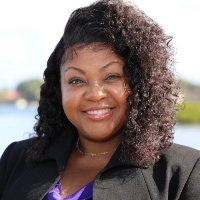
Florida · 9 yrs in practice
Works with Stress, Anxiety / Family / Parenting +12
Works by Client-Centered Therapy / Cognitive Behavioral Therapy (CBT)
Read profile
Florida · 9 yrs in practice
Works with Stress, Anxiety / Addictions / Self esteem +10
Works by Client-Centered Therapy / Cognitive Behavioral Therapy (CBT)
Read profile
Florida · 10 yrs in practice
Works with Stress, Anxiety / Addictions / Relationship +8
Works by Client-Centered Therapy / Cognitive Behavioral Therapy (CBT)
Read profile
Florida · 11 yrs in practice
Works with Stress, Anxiety / Trauma and abuse / Grief +9
Works by Acceptance and Commitment Therapy (ACT) / Attachment-Based Therapy
Read profile
Florida · 25 yrs in practice
Works with Stress, Anxiety / Addictions / Trauma and abuse +15
Works by Client-Centered Therapy / Cognitive Behavioral Therapy (CBT)
Read profile
Florida · 12 yrs in practice · 2 languages
Works with Stress, Anxiety / Trauma and abuse / Anger +2
Read profile
New York · 7 yrs in practice
Works with Addictions / Relationship / Trauma and abuse +7
Works by Client-Centered Therapy / Cognitive Behavioral Therapy (CBT)
Read profile
New York · 10 yrs in practice · 2 languages
Works with Stress, Anxiety / Family / Self esteem +6
Works by Acceptance and Commitment Therapy (ACT) / Client-Centered Therapy
Read profile
Florida · 25 yrs in practice
Works with Stress, Anxiety / Relationship / Family +14
Read profile
Washington · 22 yrs in practice
Works with Stress, Anxiety / Relationship / Family +12
Works by Attachment-Based Therapy / Client-Centered Therapy
Read profile
Florida · 34 yrs in practice
Works with Stress, Anxiety / Family / Parenting +12
Works by Client-Centered Therapy / Cognitive Behavioral Therapy (CBT)
Read profile
Florida · 11 yrs in practice
Works with Stress, Anxiety / Family / Trauma and abuse +14
Works by Acceptance and Commitment Therapy (ACT) / Client-Centered Therapy
Read profile
Rhode Island · 20 yrs in practice
Works with Stress, Anxiety / Relationship / Family +15
Works by Acceptance and Commitment Therapy (ACT) / Cognitive Behavioral Therapy (CBT)
Read profile
Florida · 8 yrs in practice
Works with Stress, Anxiety / Addictions / Trauma and abuse +15
Works by Attachment-Based Therapy / Client-Centered Therapy
Read profile
Massachusetts · 10 yrs in practice
Works with Stress, Anxiety / LGBT / Relationship +11
Works by Acceptance and Commitment Therapy (ACT) / Attachment-Based Therapy
Read profile
New York · 11 yrs in practice
Works with Stress, Anxiety / Family / Eating +7
Works by Cognitive Behavioral Therapy (CBT)
Read profile
Florida · 8 yrs in practice
Works with Stress, Anxiety / Family / Parenting +2
Works by Client-Centered Therapy / Cognitive Behavioral Therapy (CBT)
Read profile
New York · 38 yrs in practice
Works with Stress, Anxiety / Addictions / Relationship +16
Works by Acceptance and Commitment Therapy (ACT) / Attachment-Based Therapy
Read profile
Florida · 30 yrs in practice · 2 languages
Works with Stress, Anxiety / Relationship / Family +16
Works by Acceptance and Commitment Therapy (ACT) / Attachment-Based Therapy
Read profile
Washington · 10 yrs in practice
Works with Stress, Anxiety / Trauma and abuse / Self esteem +16
Works by Client-Centered Therapy / Cognitive Behavioral Therapy (CBT)
Read profile
Florida · 14 yrs in practice
Works with Stress, Anxiety / Relationship / Trauma and abuse +11
Works by Acceptance and Commitment Therapy (ACT) / Client-Centered Therapy
Read profile
Florida · 23 yrs in practice
Works with Stress, Anxiety / Self esteem / Career +12
Works by Client-Centered Therapy / Cognitive Behavioral Therapy (CBT)
Read profile
New York · 10 yrs in practice
Works with Stress, Anxiety / Relationship / Family +15
Works by Acceptance and Commitment Therapy (ACT) / Attachment-Based Therapy
Read profile
New York · 10 yrs in practice
Works with Stress, Anxiety / Family / Trauma and abuse +13
Works by Attachment-Based Therapy / Client-Centered Therapy
Read profile
Florida · 27 yrs in practice
Works with Stress, Anxiety / Parenting / Self esteem +12
Works by Acceptance and Commitment Therapy (ACT) / Client-Centered Therapy
Read profile
Florida · 30 yrs in practice
Works with Addictions / Relationship / Family +14
Works by Client-Centered Therapy / Cognitive Behavioral Therapy (CBT)
Read profile
New York · 11 yrs in practice
Works with Stress, Anxiety / Relationship / Family +12
Works by Acceptance and Commitment Therapy (ACT) / Attachment-Based Therapy
Read profile
Florida · 12 yrs in practice
Works with Stress, Anxiety / Relationship / Family +4
Works by Acceptance and Commitment Therapy (ACT) / Attachment-Based Therapy
Read profile
Florida · 38 yrs in practice
Works with Stress, Anxiety / Relationship / Self esteem +13
Works by Acceptance and Commitment Therapy (ACT) / Attachment-Based Therapy
Read profile
Florida · 6 yrs in practice
Works with Stress, Anxiety / Relationship / Trauma and abuse +11
Works by Acceptance and Commitment Therapy (ACT) / Client-Centered Therapy
Read profile
Florida · 7 yrs in practice
Works with Stress, Anxiety / Addictions / Trauma and abuse +13
Works by Attachment-Based Therapy / Client-Centered Therapy
Read profileImpulsivity refers to actions or decisions made with little forethought, often driven by strong emotions, immediate rewards, or habit. You may notice impulsive behavior as interrupting others, making quick purchases you regret, engaging in risky driving, or reacting explosively when stressed. Impulsivity is not a single diagnosis but a pattern that can appear across many contexts - relationships, work, school, and finances. It can be momentary, linked to particular triggers, or a persistent style of responding that affects your goals and relationships.
When you live with impulsivity, the consequences can range from minor frustrations to significant disruptions in daily functioning. You might feel shame, frustration, or confusion about why you act in certain ways despite wanting to change. Many people describe a tension between the immediate urge and long-term intentions - the impulse feels urgent and compelling, and efforts to resist can be exhausting. Understanding these dynamics is the first step toward making purposeful changes that align your actions with your values and priorities.
You might consider seeking support if impulsive choices are causing repeated problems, harming relationships, or interfering with work or school. Common signs include frequent regret after acting, difficulty delaying responses, trouble sticking with plans, and a pattern of risky behaviors that feels hard to control. If impulsivity is connected to intense emotions - such as anger, anxiety, or boredom - you may find that your reactions escalate quickly and then leave you feeling drained or ashamed.
Therapy can be helpful when you find that self-help efforts are not leading to sustained change, or when impulsive actions are creating stress for people around you. You may also want help when impulsivity contributes to cycles of avoidance, substance misuse, compulsive spending, or conflict with loved ones. Reaching out for support does not mean there is something wrong with you - it means you want tools and strategies to act in ways that better reflect your goals and values.
In early sessions you and your therapist will typically spend time understanding how impulsivity shows up for you - the triggers, thoughts, physical sensations, and patterns that precede impulsive acts. You can expect a collaborative approach where you set goals and identify specific situations you want to change. Sessions often combine learning about behavior - how impulses form and are reinforced - with practical skill-building, practice, and reflection on what worked and what did not.
Therapy frequently includes homework between sessions so you can apply new strategies in real-life situations. You may practice pausing techniques, problem-solving steps, or alternative responses to urges. Your therapist may help you track patterns and celebrate small gains, and they can support you in adjusting strategies when progress stalls. Over time therapy aims to expand the gap between an urge and an action so you can choose responses that better match your long-term aims. Many people find that therapy also helps them address underlying stressors, emotion regulation, or relationship dynamics that feed impulsive behavior.
Several therapeutic approaches are commonly used to address impulsivity, and therapists often combine elements from different methods to match your needs. You might encounter therapists who list cognitive behavioral therapy - CBT - among their approaches, which focuses on identifying and changing thought patterns and behaviors that contribute to impulsive actions. You may also find therapists who list dialectical behavior therapy - DBT - among their approaches; DBT emphasizes emotion regulation, distress tolerance, and interpersonal effectiveness skills that can reduce impulsive responses driven by strong emotions.
Mindfulness-based strategies are also frequently used to build awareness of urges and to create a space between feeling and action. Therapists who list acceptance and commitment therapy among their approaches may help you clarify values and commit to behavior consistent with those values even when urges arise. Behavioral approaches that emphasize habit formation, environmental changes, and contingency planning can be practical additions. When relevant, therapists may coordinate with medical providers to ensure a comprehensive plan, while staying within the scope of their role as counselors. When reviewing practitioner profiles, look for descriptions that match the mix of skills and strategies you think will work for you.
Online therapy makes it possible to receive support from your home, workplace, or another comfortable environment using video, phone, or messaging formats. This can be helpful if impulsive behaviors tend to occur outside traditional office hours or in contexts that are easier to discuss from your own setting. Online sessions often follow the same structure as in-person therapy - assessment, goal-setting, skill practice, and review - and you can work with a therapist to incorporate real-world experiments into your routines.
When you use remote therapy, you may find it easier to integrate practice into daily life, such as pausing to use a breathing exercise at the moment an urge arises or trying a planned alternative response between sessions. Consider how you prefer to communicate - some people like the immediacy of video, others prefer brief messaging for check-ins between sessions. Make sure your chosen method fits your comfort with technology and your need for focused interaction during skill practice.
Choosing a therapist starts with looking for professionals who list impulsivity, impulse control, or related concerns among their focus areas. Pay attention to the approaches practitioners describe and whether they mention methods that resonate with you, such as CBT, DBT, mindfulness, or behavioral strategies. Review credentials and licensure to ensure the clinician holds an appropriate license for counseling in your state. Consider the populations a therapist lists - for example, adults, adolescents, couples, or families - to find someone experienced with your context.
Language, cultural background, and communication style matter. You are more likely to make progress with a therapist you feel heard by and who understands the life circumstances shaping your impulsivity. Think about practical factors such as session format - video, phone, or in-person - and whether the therapist lists experience with issues that often co-occur with impulsivity, like anxiety, mood concerns, or substance-related patterns. It can be useful to look for profiles that describe a clear approach to measuring progress, safety planning, and collaboration with other providers when needed. Ultimately, aim to connect with someone whose approach you can imagine trying for a period of time to see if it helps.
Working with a therapist can give you tools to reduce harm from impulsive choices, increase your capacity to pause before acting, and align your behavior with what matters most to you. Whether you opt for in-person or online care, thoughtful selection of a clinician who describes relevant experience and compatible approaches will set the stage for steady, practical progress.
Arizona
7 therapists
California
11 therapists
Connecticut
8 therapists
Florida
1340 therapists
Georgia
11 therapists
Hawaii
38 therapists
Illinois
16 therapists
Indiana
143 therapists
Iowa
57 therapists
Louisiana
6 therapists
Maryland
6 therapists
Massachusetts
133 therapists
Minnesota
6 therapists
Missouri
12 therapists
Nebraska
14 therapists
Nevada
5 therapists
New Hampshire
7 therapists
New Jersey
17 therapists
New York
517 therapists
North Carolina
11 therapists
Ohio
13 therapists
Oregon
9 therapists
Pennsylvania
14 therapists
Rhode Island
21 therapists
South Carolina
10 therapists
Texas
27 therapists
Utah
12 therapists
Virginia
10 therapists
Washington
204 therapists
Wisconsin
6 therapists