
Lucia Stanfield, LMHC
Florida · 20 yrs in practice
Works with Addictions / Relationship / Trauma and abuse +15
Works by Acceptance and Commitment Therapy (ACT) / Attachment-Based Therapy
Read profileTherapist listings come from BetterHelp. We will earn a commission if you sign up through a link on this page, at no extra cost to you, and it does not change the order of the listings.
This page lists therapists who identify gender dysphoria as a focus area to help you explore supportive care. Browse the listings below to review profiles and approaches that may match your needs.
Florida · 20 yrs in practice
Works with Addictions / Relationship / Trauma and abuse +15
Works by Acceptance and Commitment Therapy (ACT) / Attachment-Based Therapy
Read profile
Florida · 13 yrs in practice
Works with Stress, Anxiety / Self esteem / Depression +8
Works by Acceptance and Commitment Therapy (ACT) / Client-Centered Therapy
Read profile
Florida · 26 yrs in practice
Works with Stress, Anxiety / Addictions / LGBT +2
Read profile
New York · 9 yrs in practice
Works with Stress, Anxiety / Relationship / Parenting +2
Works by Acceptance and Commitment Therapy (ACT) / Client-Centered Therapy
Read profile
Florida · 10 yrs in practice
Works with Stress, Anxiety / Addictions / Relationship +8
Works by Client-Centered Therapy / Cognitive Behavioral Therapy (CBT)
Read profile
Washington · 50 yrs in practice
Works with Stress, Anxiety / Trauma and abuse / Intimacy-related issues +16
Works by Attachment-Based Therapy / Client-Centered Therapy
Read profile
Florida · 11 yrs in practice
Works with Stress, Anxiety / Trauma and abuse / Grief +9
Works by Acceptance and Commitment Therapy (ACT) / Attachment-Based Therapy
Read profile
Florida · 25 yrs in practice
Works with Stress, Anxiety / Addictions / Trauma and abuse +15
Works by Client-Centered Therapy / Cognitive Behavioral Therapy (CBT)
Read profile
Florida · 8 yrs in practice
Works with Stress, Anxiety / Addictions / Trauma and abuse +15
Works by Attachment-Based Therapy / Client-Centered Therapy
Read profile
Massachusetts · 10 yrs in practice
Works with Stress, Anxiety / LGBT / Relationship +11
Works by Acceptance and Commitment Therapy (ACT) / Attachment-Based Therapy
Read profile
New York · 10 yrs in practice
Works with Stress, Anxiety / Family / Trauma and abuse +13
Works by Attachment-Based Therapy / Client-Centered Therapy
Read profile
Florida · 7 yrs in practice
Works with Stress, Anxiety / Addictions / Trauma and abuse +13
Works by Attachment-Based Therapy / Client-Centered Therapy
Read profile
Florida · 17 yrs in practice
Works with Stress, Anxiety / Parenting / Self esteem +12
Works by Client-Centered Therapy / Cognitive Behavioral Therapy (CBT)
Read profile
Florida · 32 yrs in practice
Works with Stress, Anxiety / Trauma and abuse / Parenting +17
Works by Acceptance and Commitment Therapy (ACT) / Attachment-Based Therapy
Read profile
Florida · 11 yrs in practice
Works with Addictions / LGBT / Trauma and abuse +13
Works by Client-Centered Therapy / Cognitive Behavioral Therapy (CBT)
Read profile
Rhode Island · 30 yrs in practice
Works with Stress, Anxiety / LGBT / Relationship +3
Read profile
Massachusetts · 15 yrs in practice
Works with Stress, Anxiety / Trauma and abuse / Depression +5
Read profile
New York · 10 yrs in practice · 2 languages
Works with Stress, Anxiety / Relationship / Trauma and abuse +17
Works by Client-Centered Therapy / Cognitive Behavioral Therapy (CBT)
Read profile
Iowa · 8 yrs in practice
Works with Addictions / Relationship / Family +15
Read profile
Florida · 40 yrs in practice
Works with Stress, Anxiety / LGBT / Grief +2
Works by Acceptance and Commitment Therapy (ACT) / Client-Centered Therapy
Read profile
Florida · 45 yrs in practice
Works with Stress, Anxiety / Addictions / Relationship +7
Works by Client-Centered Therapy / Cognitive Behavioral Therapy (CBT)
Read profile
Florida · 25 yrs in practice
Works with Stress, Anxiety / Addictions / Self esteem +4
Works by Client-Centered Therapy / Cognitive Behavioral Therapy (CBT)
Read profile
Florida · 7 yrs in practice
Works with Stress, Anxiety / Trauma and abuse / Self esteem +15
Works by Client-Centered Therapy / Cognitive Behavioral Therapy (CBT)
Read profile
Florida · 30 yrs in practice
Works with Stress, Anxiety / Addictions / LGBT +2
Read profile
Florida · 4 yrs in practice
Works with LGBT / Trauma and abuse / Grief +2
Read profile
New York · 5 yrs in practice
Works with Stress, Anxiety / LGBT / Self esteem +11
Works by Client-Centered Therapy / Cognitive Behavioral Therapy (CBT)
Read profile
Rhode Island · 5 yrs in practice
Works with Stress, Anxiety / Addictions / Self esteem +2
Read profile
Florida · 26 yrs in practice
Works with Stress, Anxiety / Family / Trauma and abuse +2
Read profile
Iowa · 30 yrs in practice
Works with Stress, Anxiety / Career / Depression +2
Read profile
Washington · 13 yrs in practice
Works with Stress, Anxiety / Relationship / Family +2
Read profile
Florida · 10 yrs in practice
Works with LGBT / Relationship / Trauma and abuse +2
Read profile
Connecticut · 11 yrs in practice
Works with Stress, Anxiety / Parenting / Self esteem +17
Works by Acceptance and Commitment Therapy (ACT) / Client-Centered Therapy
Read profile
Florida · 29 yrs in practice
Works with Stress, Anxiety / Addictions / Relationship +14
Works by Client-Centered Therapy / Cognitive Behavioral Therapy (CBT)
Read profile
Florida · 15 yrs in practice
Works with Stress, Anxiety / Addictions / Trauma and abuse +14
Works by Client-Centered Therapy / Dialectical Behavior Therapy (DBT)
Read profile
Florida · 12 yrs in practice
Works with Stress, Anxiety / LGBT / Relationship +11
Works by Client-Centered Therapy / Cognitive Behavioral Therapy (CBT)
Read profile
Florida · 12 yrs in practice
Works with Stress, Anxiety / LGBT / Grief +7
Works by Client-Centered Therapy / Dialectical Behavior Therapy (DBT)
Read profile
New York · 10 yrs in practice
Works with Stress, Anxiety / Family / Trauma and abuse +13
Works by Client-Centered Therapy / Cognitive Behavioral Therapy (CBT)
Read profile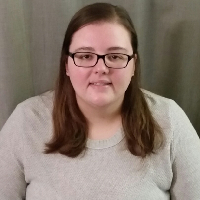
Florida · 8 yrs in practice
Works with Stress, Anxiety / LGBT / Trauma and abuse +12
Works by Client-Centered Therapy / Cognitive Behavioral Therapy (CBT)
Read profile
Florida · 39 yrs in practice
Works with Stress, Anxiety / Relationship / Family +15
Works by Acceptance and Commitment Therapy (ACT) / Attachment-Based Therapy
Read profile
New York · 9 yrs in practice
Works with Addictions / LGBT / Intimacy-related issues +10
Works by Acceptance and Commitment Therapy (ACT) / Attachment-Based Therapy
Read profile
Florida · 14 yrs in practice
Works with Stress, Anxiety / Addictions / Trauma and abuse +15
Works by Acceptance and Commitment Therapy (ACT) / Client-Centered Therapy
Read profile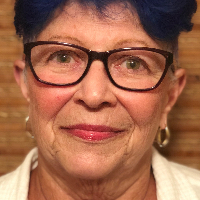
Florida · 30 yrs in practice
Works with Addictions / Relationship / Trauma and abuse +15
Works by Cognitive Behavioral Therapy (CBT) / Dialectical Behavior Therapy (DBT)
Read profile
New York · 23 yrs in practice · 2 languages
Works with Stress, Anxiety / Addictions / LGBT +12
Works by Acceptance and Commitment Therapy (ACT) / Attachment-Based Therapy
Read profile
Arizona · 23 yrs in practice
Works with Stress, Anxiety / Self esteem / Depression +17
Works by Attachment-Based Therapy / Client-Centered Therapy
Read profile
Florida · 11 yrs in practice
Works with Stress, Anxiety / Eating / Self esteem +8
Works by Client-Centered Therapy / Cognitive Behavioral Therapy (CBT)
Read profile
Florida · 13 yrs in practice
Works with Stress, Anxiety / Addictions / Trauma and abuse +13
Works by Cognitive Behavioral Therapy (CBT) / Dialectical Behavior Therapy (DBT)
Read profile
New York · 25 yrs in practice
Works with Stress, Anxiety / Trauma and abuse / Self esteem +16
Works by Client-Centered Therapy / Existential Therapy
Read profile
Florida · 20 yrs in practice
Works with Stress, Anxiety / Relationship / Family +16
Works by Acceptance and Commitment Therapy (ACT) / Attachment-Based Therapy
Read profileGender dysphoria refers to the distress that can occur when a person's gender identity does not align with the sex they were assigned at birth. That distress may show up in different ways for different people. For some, it centers on discomfort with certain physical characteristics, while for others it is tied to social expectations, relationships, or daily tasks that highlight a mismatch between identity and presentation. The experience can be intermittent or persistent, and it can change over time as you explore identity, expression, and the options available to you.
Because gender dysphoria touches both internal sense of self and external social roles, it commonly affects mental health, relationships, work or school functioning, and overall quality of life. You might find that dysphoria affects your mood, motivation, or sense of safety in public spaces. Some people face stress from family dynamics, workplace or school environments, or societal stigma, which can amplify the emotional toll. Therapy can help you name what you are experiencing, develop coping strategies, and consider next steps in a way that reflects your values and goals.
If you are wondering whether therapy could help, there are several signals that it might be a useful step. Persistent distress tied to your gender identity or dissatisfaction with your body or social role is a central sign. You might notice increased anxiety, depressive feelings, difficulty sleeping, or difficulty concentrating when dysphoria is more prominent. Avoidance of social situations, strained relationships, or problems at work or school related to gender expression can also indicate that additional support would be helpful.
Therapy can be particularly beneficial when you are seeking a space to explore identity without judgment, want help navigating family conversations or coming out, or need guidance on steps related to social or medical transition. It can also be important if past trauma, minority stress, or intersectional factors make it harder to cope. If you find yourself feeling stuck, overwhelmed by choices, or unsure how to plan practical steps like name changes or workplace accommodations, a therapist can partner with you to clarify priorities and develop a manageable plan.
When you start therapy for gender dysphoria, the process usually begins with an initial conversation to understand your history, current concerns, and goals. That early period is about building rapport and deciding what you want to work on. Sessions may focus on exploring gender identity, processing feelings about your body or social roles, addressing anxiety or depression that co-occurs with dysphoria, and planning next steps in social or medical contexts if those are relevant to you.
Therapy sessions are typically collaborative. You and your therapist will agree on priorities and methods that fit your needs. Some sessions may center on practical tasks - for example, developing scripts for conversations with family or employers, preparing documentation for name changes, or mapping steps for social transition. Other sessions may focus on emotional processing, coping strategies for dysphoric episodes, or trauma work if past experiences are contributing to your distress. Therapists can also coordinate with other professionals, such as medical providers, to help you navigate multidisciplinary care when appropriate.
In many cases, therapy blends emotional support with skill building. You may learn grounding techniques to manage intense dysphoric moments, cognitive strategies to challenge self-critical thoughts, and communication skills to assert boundaries and express needs. Therapy can also offer a place to rehearse conversations, reflect on identity over time, and build resilience against external stressors like discrimination or rejection. The pace is shaped by you, with attention to safety, comfort, and practical outcomes that matter most to your life.
Therapists come from a variety of theoretical backgrounds, and many list multiple approaches among their methods. You might find therapists who list affirmative therapy as a guiding framework - an approach that centers acceptance, validation, and respect for your gender identity. Others may list cognitive behavioral therapy among their approaches, which often focuses on identifying and shifting unhelpful thoughts and behaviors that contribute to distress. Narrative approaches may help you reframe personal stories about identity and resilience, while psychodynamic approaches explore deeper patterns and relational themes that influence your experience.
Family therapy approaches are sometimes used when family relationships are central to your concerns, supporting caregivers to respond in ways that reduce conflict and improve communication. Trauma-informed methods can be important if past abuse or minority stress contributes to current symptoms. Some therapists include mindfulness and acceptance-based practices to help you relate differently to dysphoric feelings. You may also encounter therapists who list support groups or community-based resources among their tools. When reviewing profiles, look for language that indicates familiarity with gender-diverse experiences and an approach that aligns with how you prefer to work.
Online therapy offers a flexible way to access clinicians who list gender dysphoria among their specialties. Sessions commonly occur by video or phone, and some practitioners offer messaging or email between sessions. The virtual format can make it easier to reach therapists who share your background or cultural understanding when local options are limited. It can also reduce the logistical barriers of travel, time off work, or geographic constraints when you are exploring identity or arranging care.
When you engage in online therapy, consider practical matters such as the technology you will use, the privacy of the space where you meet, and how records and communication are handled. You may want to ask therapists how they coordinate with medical providers if you are pursuing gender-affirming medical options, or how they approach family involvement if that is part of your plan. Licensing rules vary by state, so check whether a therapist is licensed to practice in the place where you are physically located at the time of the session. Payment methods, insurance acceptance, and session length are also logistical details to clarify as you compare options.
Finding a good fit often comes down to alignment in values, approach, and lived experience. Look for therapists who explicitly list gender dysphoria or gender-affirming care among their specialties, and read their profiles for language that reflects respect and understanding of gender diversity. Consider whether you want a therapist who lists specific approaches - for example, cognitive or narrative work - or someone who emphasizes family systems or trauma-informed care. Think about cultural competence factors that matter to you, such as experience with LGBTQ communities, knowledge of intersectional identities, or language capabilities.
When you review profiles, focus on how therapists describe their work rather than assumed credentials in a particular modality. It is reasonable to ask questions about how they approach gender-related topics, how they support decision-making around social or medical steps, and how they involve families or other supports when needed. Trust your sense of comfort during initial contacts; a good therapeutic match is one where you feel heard, respected, and able to set goals that fit your life. With careful comparison of focus areas, approaches, credentials, languages, and experience, you can narrow the field to clinicians who align with your priorities and begin a collaborative journey toward clearer choices and greater well-being.
Arizona
7 therapists
California
11 therapists
Connecticut
8 therapists
Florida
1340 therapists
Georgia
11 therapists
Hawaii
38 therapists
Illinois
16 therapists
Indiana
143 therapists
Iowa
57 therapists
Louisiana
6 therapists
Maryland
6 therapists
Massachusetts
133 therapists
Minnesota
6 therapists
Missouri
12 therapists
Nebraska
14 therapists
Nevada
5 therapists
New Hampshire
7 therapists
New Jersey
17 therapists
New York
517 therapists
North Carolina
11 therapists
Ohio
13 therapists
Oregon
9 therapists
Pennsylvania
14 therapists
Rhode Island
21 therapists
South Carolina
10 therapists
Texas
27 therapists
Utah
12 therapists
Virginia
10 therapists
Washington
204 therapists
Wisconsin
6 therapists