
Dr. Daniella Jackson, LMHC
Florida · 20 yrs in practice · 2 languages
Works with Stress, Anxiety / Addictions / Relationship +17
Works by Acceptance and Commitment Therapy (ACT) / Attachment-Based Therapy
Read profileTherapist listings come from BetterHelp. We will earn a commission if you sign up through a link on this page, at no extra cost to you, and it does not change the order of the listings.
This page features therapists who work with money and financial issues, including money anxiety, debt strain, spending patterns, and financial decision-making. Browse the listings below to review each therapist's focus areas, approaches, credentials, languages, and experience.
Florida · 20 yrs in practice · 2 languages
Works with Stress, Anxiety / Addictions / Relationship +17
Works by Acceptance and Commitment Therapy (ACT) / Attachment-Based Therapy
Read profile
Pennsylvania · 12 yrs in practice
Works with Stress, Anxiety / Relationship / Self esteem +12
Works by Client-Centered Therapy / Cognitive Behavioral Therapy (CBT)
Read profile
Indiana · 8 yrs in practice
Works with Stress, Anxiety / Addictions / Family +16
Works by Acceptance and Commitment Therapy (ACT) / Attachment-Based Therapy
Read profile
Florida · 20 yrs in practice
Works with Addictions / Relationship / Trauma and abuse +15
Works by Acceptance and Commitment Therapy (ACT) / Attachment-Based Therapy
Read profile
Florida · 19 yrs in practice
Works with Stress, Anxiety / Family / Grief +13
Works by Acceptance and Commitment Therapy (ACT) / Client-Centered Therapy
Read profile
Florida · 24 yrs in practice
Works with Stress, Anxiety / Addictions / Grief +15
Works by Acceptance and Commitment Therapy (ACT) / Client-Centered Therapy
Read profile
New York · 13 yrs in practice
Works with Stress, Anxiety / Self esteem / Depression +9
Works by Client-Centered Therapy / Cognitive Behavioral Therapy (CBT)
Read profile
New York · 18 yrs in practice · 3 languages
Works with Stress, Anxiety / Relationship / Parenting +2
Read profile
Florida · 20 yrs in practice
Works with Stress, Anxiety / Relationship / Grief +2
Works by Acceptance and Commitment Therapy (ACT) / Attachment-Based Therapy
Read profile
Indiana · 11 yrs in practice
Works with Stress, Anxiety / Addictions / Trauma and abuse +15
Works by Client-Centered Therapy / Cognitive Behavioral Therapy (CBT)
Read profile
Florida · 35 yrs in practice
Works with Stress, Anxiety / Family / Grief +17
Works by Attachment-Based Therapy / Client-Centered Therapy
Read profile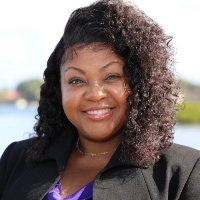
Florida · 9 yrs in practice
Works with Stress, Anxiety / Family / Parenting +12
Works by Client-Centered Therapy / Cognitive Behavioral Therapy (CBT)
Read profile
Florida · 9 yrs in practice
Works with Stress, Anxiety / Addictions / Self esteem +10
Works by Client-Centered Therapy / Cognitive Behavioral Therapy (CBT)
Read profile
New York · 20 yrs in practice · 3 languages
Works with Stress, Anxiety / Relationship / Family +16
Works by Client-Centered Therapy / Cognitive Behavioral Therapy (CBT)
Read profile
New York · 9 yrs in practice
Works with Stress, Anxiety / Relationship / Parenting +2
Works by Acceptance and Commitment Therapy (ACT) / Client-Centered Therapy
Read profile
Florida · 10 yrs in practice
Works with Stress, Anxiety / Addictions / Relationship +8
Works by Client-Centered Therapy / Cognitive Behavioral Therapy (CBT)
Read profile
Washington · 50 yrs in practice
Works with Stress, Anxiety / Trauma and abuse / Intimacy-related issues +16
Works by Attachment-Based Therapy / Client-Centered Therapy
Read profile
Florida · 30 yrs in practice
Works with Stress, Anxiety / Family / Trauma and abuse +15
Works by Client-Centered Therapy / Cognitive Behavioral Therapy (CBT)
Read profile
New York · 7 yrs in practice
Works with Addictions / Relationship / Trauma and abuse +7
Works by Client-Centered Therapy / Cognitive Behavioral Therapy (CBT)
Read profile
Iowa · 9 yrs in practice
Works with Trauma and abuse / Grief / Anger +11
Works by Acceptance and Commitment Therapy (ACT) / Attachment-Based Therapy
Read profile
Florida · 25 yrs in practice
Works with Stress, Anxiety / Relationship / Family +14
Read profile
Florida · 11 yrs in practice
Works with Stress, Anxiety / Family / Trauma and abuse +14
Works by Acceptance and Commitment Therapy (ACT) / Client-Centered Therapy
Read profile
Florida · 8 yrs in practice
Works with Stress, Anxiety / Addictions / Trauma and abuse +15
Works by Attachment-Based Therapy / Client-Centered Therapy
Read profile
New York · 7 yrs in practice
Works with Addictions / Relationship / Intimacy-related issues +4
Works by Cognitive Behavioral Therapy (CBT) / Motivational Interviewing
Read profile
Florida · 30 yrs in practice · 2 languages
Works with Stress, Anxiety / Relationship / Family +16
Works by Acceptance and Commitment Therapy (ACT) / Attachment-Based Therapy
Read profile
Florida · 23 yrs in practice
Works with Stress, Anxiety / Self esteem / Career +12
Works by Client-Centered Therapy / Cognitive Behavioral Therapy (CBT)
Read profile
New York · 10 yrs in practice
Works with Stress, Anxiety / Relationship / Family +15
Works by Acceptance and Commitment Therapy (ACT) / Attachment-Based Therapy
Read profile
Florida · 30 yrs in practice
Works with Addictions / Relationship / Family +14
Works by Client-Centered Therapy / Cognitive Behavioral Therapy (CBT)
Read profile
New York · 11 yrs in practice
Works with Stress, Anxiety / Relationship / Family +12
Works by Acceptance and Commitment Therapy (ACT) / Attachment-Based Therapy
Read profile
Florida · 38 yrs in practice
Works with Stress, Anxiety / Relationship / Self esteem +13
Works by Acceptance and Commitment Therapy (ACT) / Attachment-Based Therapy
Read profile
Florida · 29 yrs in practice
Works with Grief / Self esteem / Career +7
Works by Cognitive Behavioral Therapy (CBT)
Read profile
Massachusetts · 22 yrs in practice
Works with Family / Trauma and abuse / Parenting +15
Works by Cognitive Behavioral Therapy (CBT) / Dialectical Behavior Therapy (DBT)
Read profile
Indiana · 11 yrs in practice
Works with Stress, Anxiety / Trauma and abuse / Grief +9
Works by Attachment-Based Therapy / Client-Centered Therapy
Read profile
Florida · 12 yrs in practice
Works with Stress, Anxiety / Addictions / Family +16
Works by Client-Centered Therapy / Cognitive Behavioral Therapy (CBT)
Read profile
Florida · 25 yrs in practice
Works with Stress, Anxiety / Addictions / Relationship +2
Works by Client-Centered Therapy / Motivational Interviewing
Read profile
Florida · 32 yrs in practice
Works with Stress, Anxiety / Trauma and abuse / Parenting +17
Works by Acceptance and Commitment Therapy (ACT) / Attachment-Based Therapy
Read profile
New York · 6 yrs in practice
Works with Stress, Anxiety / Family / Self esteem +17
Works by Client-Centered Therapy / Cognitive Behavioral Therapy (CBT)
Read profile
Florida · 11 yrs in practice
Works with Stress, Anxiety / Addictions / Anger +12
Works by Client-Centered Therapy / Cognitive Behavioral Therapy (CBT)
Read profile
New Mexico · 10 yrs in practice
Works with Stress, Anxiety / Relationship / Grief +7
Works by Client-Centered Therapy / Cognitive Behavioral Therapy (CBT)
Read profile
Florida · 11 yrs in practice
Works with Stress, Anxiety / Addictions / Relationship +15
Works by Acceptance and Commitment Therapy (ACT) / Attachment-Based Therapy
Read profile
Hawaii · 20 yrs in practice
Works with Stress, Anxiety / Relationship / Trauma and abuse +13
Works by Cognitive Behavioral Therapy (CBT) / Dialectical Behavior Therapy (DBT)
Read profile
Indiana · 26 yrs in practice
Works with Stress, Anxiety / Relationship / Family +8
Works by Acceptance and Commitment Therapy (ACT) / Client-Centered Therapy
Read profile
Florida · 38 yrs in practice
Works with Relationship / Trauma and abuse / Intimacy-related issues +8
Works by Client-Centered Therapy / Cognitive Behavioral Therapy (CBT)
Read profile
Florida · 11 yrs in practice
Works with Addictions / LGBT / Trauma and abuse +13
Works by Client-Centered Therapy / Cognitive Behavioral Therapy (CBT)
Read profile
Florida · 12 yrs in practice · 2 languages
Works with Stress, Anxiety / Relationship / Parenting +6
Works by Acceptance and Commitment Therapy (ACT) / Client-Centered Therapy
Read profile
Florida · 27 yrs in practice
Works with Addictions / Relationship / Trauma and abuse +17
Works by Client-Centered Therapy / Cognitive Behavioral Therapy (CBT)
Read profile
Rhode Island · 30 yrs in practice
Works with Stress, Anxiety / LGBT / Relationship +3
Read profile
Rhode Island · 5 yrs in practice
Works with Stress, Anxiety / Relationship / Career +14
Works by Acceptance and Commitment Therapy (ACT) / Client-Centered Therapy
Read profileMoney and financial issues often show up as more than a ledger of income and expenses. Financial concerns can be woven into relationships, identity, self-worth, and long-standing family patterns. You might notice that money triggers strong emotions - anxiety, shame, guilt, or relief - and those reactions can shape choices about work, saving, spending, and communicating about money. For many people, money problems are connected to life transitions such as job changes, parenting, divorce, retirement planning, or unexpected expenses. When money becomes a persistent source of stress, it can affect your sleep, mood, relationships, and day-to-day functioning even if the underlying financial facts do not change dramatically.
Because money carries both practical and symbolic meaning, therapy focused on financial issues often addresses skill-building alongside emotional processing. You may work to improve budgeting skills and decision-making while also exploring the beliefs and family messages that influence your financial behavior. That dual focus helps you address immediate pressures while creating a different relationship to money over time. In short, money and financial issues involve practical planning and emotional material, and therapy can help you navigate both.
There are a number of signals that money-related problems have crossed a threshold where talking with a therapist may help. If you find that financial worries dominate your thoughts, interfere with sleep, or lead to avoidance of bills and statements, those are meaningful signs. Relationship conflict about money - repeated arguments with a partner, family member, or close friend about spending, saving, or financial roles - often indicates patterns that can be addressed in therapy. You might also notice cycles of impulsive spending followed by regret, persistent anxiety about future financial security, or ongoing difficulty making financial decisions even when information is available.
Other signs include feeling paralyzed by money choices, relying on money-related behaviors to manage emotions, or feeling stuck in patterns you do not want to repeat. If shame or embarrassment keeps you from seeking advice or asking questions, therapy can provide a place to unpack those feelings and practice different approaches. You do not need to be in a financial crisis to benefit; therapy can be useful whether you are trying to change habits, prepare for a transition, or reduce money-related stress in everyday life.
In sessions focused on money and financial issues, you can expect a combination of emotional exploration and practical planning. Early conversations typically involve describing your history with money, current financial circumstances, and the ways money interacts with your emotions and relationships. A therapist will often ask about family messages you received about money, your beliefs about worth and success, and recurring behavioral patterns. From there, you and the therapist identify goals - these might include reducing anxiety about bills, improving communication with a partner, creating a sustainable spending plan, or changing avoidance behaviors.
Therapy may include behavioral exercises designed to build new habits, role-play to practice money conversations, and emotionally focused work to shift shame and fear. Sessions can also involve problem-solving around immediate financial stressors, while maintaining attention to longer-term patterns. You should expect a gradual process that balances skill-building with insight. The pace and emphasis will depend on your needs and preferences, and a therapist can adapt strategies as you progress.
Therapists who work with money and financial issues draw on a variety of therapeutic approaches to address the mix of emotional, behavioral, and relational factors. Cognitive behavioral therapy, sometimes listed as CBT among therapists' approaches, often appears because it helps you identify and modify unhelpful thoughts and behaviors around money. Acceptance and commitment therapy, often listed as ACT, can support you in clarifying values and taking committed action even when anxiety or uncertainty is present. Therapists who list psychodynamic approaches may help you explore early life experiences and unconscious patterns that shape financial behavior.
Relational and family systems perspectives are commonly used to address how money functions within partnerships and family units. These approaches pay attention to roles, boundaries, and communication patterns that influence financial decisions and conflict. Motivational interviewing techniques can be useful when you are ambivalent about change, supporting you to build intrinsic motivation for different habits. Some therapists may also list approaches such as solution-focused work for short-term problem-solving, or trauma-informed care when financial stress is entangled with traumatic experiences. When reviewing profiles, look for language that indicates both practical skills and emotional work, since money issues often require both.
Online therapy can be a convenient way to work on money and financial issues. You can meet with a therapist from home or another comfortable environment, which may make it easier to incorporate homework assignments, review documents together, or schedule sessions around busy work and family commitments. Many therapists describe their approaches and areas of focus on their profiles, which helps you find someone who emphasizes financial behavior change, emotional work, or relational dynamics. If you prefer in-person sessions, some therapists also offer that option - use profile details to learn about the settings in which they work.
When choosing a therapist for money-related concerns, consider the match between your goals and the therapist's focus areas. Think about whether you want an approach that emphasizes practical budgeting and planning, emotional and relational exploration, or a blend of both. Look for therapists who list relevant approaches and who describe experience with issues like debt-related stress, money anxiety, compulsive spending, or communication about finances. Pay attention to credentials and professional background to understand whether a therapist’s general training aligns with your needs, and note languages offered if that matters to your comfort in discussing personal matters. It can also help to read a therapist's statement to get a sense of their stance on judgment, collaboration, and how they structure work with financial topics.
Finally, give yourself permission to seek a different therapist if the first fit does not feel right. Working on money and financial issues often requires trust and a constructive working relationship, and it is reasonable to prioritize a therapist whose approach and communication style support your progress. Therapy is a process, and finding a professional whom you feel comfortable with can make it more likely that you will sustain the changes you want to make in how you relate to money and manage financial life.
Arizona
7 therapists
California
11 therapists
Connecticut
8 therapists
Florida
1340 therapists
Georgia
11 therapists
Hawaii
38 therapists
Illinois
16 therapists
Indiana
143 therapists
Iowa
57 therapists
Louisiana
6 therapists
Maryland
6 therapists
Massachusetts
133 therapists
Minnesota
6 therapists
Missouri
12 therapists
Nebraska
14 therapists
Nevada
5 therapists
New Hampshire
7 therapists
New Jersey
17 therapists
New York
517 therapists
North Carolina
11 therapists
Ohio
13 therapists
Oregon
9 therapists
Pennsylvania
14 therapists
Rhode Island
21 therapists
South Carolina
10 therapists
Texas
27 therapists
Utah
12 therapists
Virginia
10 therapists
Washington
204 therapists
Wisconsin
6 therapists