
Dr. Daniella Jackson, LMHC
Florida · 20 yrs in practice · 2 languages
Works with Stress, Anxiety / Addictions / Relationship +17
Works by Acceptance and Commitment Therapy (ACT) / Attachment-Based Therapy
Read profileTherapist listings come from BetterHelp. We will earn a commission if you sign up through a link on this page, at no extra cost to you, and it does not change the order of the listings.
This page lists licensed counselors who list intimacy issues among their specialties, covering relationship connection and sexual concerns. Browse the listings below to compare approaches, languages, credentials, and areas of focus.
Florida · 20 yrs in practice · 2 languages
Works with Stress, Anxiety / Addictions / Relationship +17
Works by Acceptance and Commitment Therapy (ACT) / Attachment-Based Therapy
Read profile
Florida · 25 yrs in practice · 2 languages
Works with Relationship / Trauma and abuse / Grief +13
Works by Client-Centered Therapy / Eye Movement Desensitization and Reprocessing (EMDR)
Read profile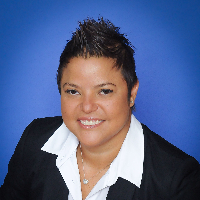
Florida · 21 yrs in practice
Works with Stress, Anxiety / Addictions / LGBT +10
Works by Acceptance and Commitment Therapy (ACT) / Client-Centered Therapy
Read profile
New York · 5 yrs in practice · 2 languages
Works with Stress, Anxiety / LGBT / Trauma and abuse +13
Works by Acceptance and Commitment Therapy (ACT) / Attachment-Based Therapy
Read profile
Pennsylvania · 12 yrs in practice
Works with Stress, Anxiety / Relationship / Self esteem +12
Works by Client-Centered Therapy / Cognitive Behavioral Therapy (CBT)
Read profile
Florida · 26 yrs in practice
Works with Stress, Anxiety / Relationship / Anger +14
Works by Client-Centered Therapy / Cognitive Behavioral Therapy (CBT)
Read profile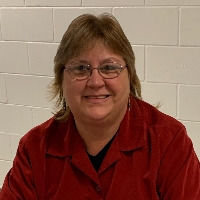
Florida · 3 yrs in practice
Works with Stress, Anxiety / Family / Trauma and abuse +16
Read profile
Florida · 30 yrs in practice
Works with Stress, Anxiety / Trauma and abuse / Bipolar +17
Works by Client-Centered Therapy / Cognitive Behavioral Therapy (CBT)
Read profile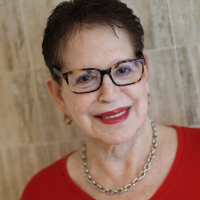
Florida · 18 yrs in practice
Works with Stress, Anxiety / Relationship / Grief +13
Works by Client-Centered Therapy / Cognitive Behavioral Therapy (CBT)
Read profile
Florida · 30 yrs in practice
Works with Stress, Anxiety / Relationship / Trauma and abuse +15
Works by Acceptance and Commitment Therapy (ACT) / Client-Centered Therapy
Read profile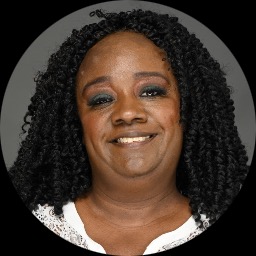
Pennsylvania · 10 yrs in practice
Works with Stress, Anxiety / Relationship / Grief +9
Works by Cognitive Behavioral Therapy (CBT) / Dialectical Behavior Therapy (DBT)
Read profile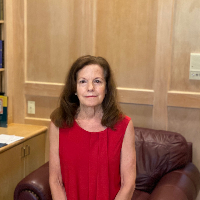
Massachusetts · 25 yrs in practice
Works with Stress, Anxiety / Relationship / Family +15
Works by Attachment-Based Therapy / Client-Centered Therapy
Read profile
Indiana · 8 yrs in practice
Works with Stress, Anxiety / Addictions / Family +16
Works by Acceptance and Commitment Therapy (ACT) / Attachment-Based Therapy
Read profile
Florida · 20 yrs in practice
Works with Addictions / Relationship / Trauma and abuse +15
Works by Acceptance and Commitment Therapy (ACT) / Attachment-Based Therapy
Read profile
Florida · 17 yrs in practice
Works with Stress, Anxiety / Trauma and abuse / Eating +15
Works by Acceptance and Commitment Therapy (ACT) / Client-Centered Therapy
Read profile
Florida · 19 yrs in practice
Works with Stress, Anxiety / Family / Grief +13
Works by Acceptance and Commitment Therapy (ACT) / Client-Centered Therapy
Read profile
Florida · 20 yrs in practice
Works with Stress, Anxiety / Grief / Self esteem +10
Works by Client-Centered Therapy / Cognitive Behavioral Therapy (CBT)
Read profile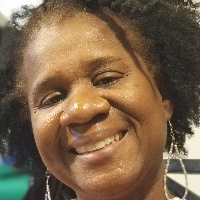
New York · 6 yrs in practice
Works with Stress, Anxiety / Parenting / Anger +13
Works by Client-Centered Therapy / Cognitive Behavioral Therapy (CBT)
Read profile
Florida · 24 yrs in practice
Works with Stress, Anxiety / Addictions / Grief +15
Works by Acceptance and Commitment Therapy (ACT) / Client-Centered Therapy
Read profile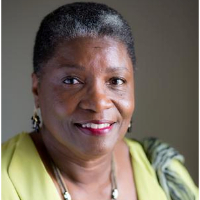
Florida · 12 yrs in practice
Works with Stress, Anxiety / Addictions / Parenting +9
Works by Client-Centered Therapy / Cognitive Behavioral Therapy (CBT)
Read profile
Florida · 26 yrs in practice
Works with Stress, Anxiety / Addictions / LGBT +2
Read profile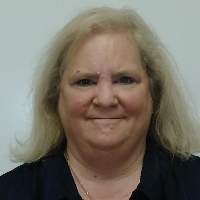
Florida · 17 yrs in practice
Works with Stress, Anxiety / Addictions / LGBT +12
Works by Client-Centered Therapy / Cognitive Behavioral Therapy (CBT)
Read profile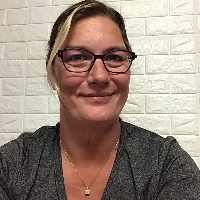
Indiana · 11 yrs in practice
Works with Stress, Anxiety / Addictions / Trauma and abuse +15
Works by Client-Centered Therapy / Cognitive Behavioral Therapy (CBT)
Read profile
Florida · 28 yrs in practice
Works with Stress, Anxiety / Addictions / Relationship +15
Read profile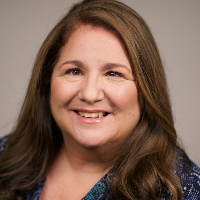
Florida · 24 yrs in practice
Works with Stress, Anxiety / Career / Depression +13
Works by Cognitive Behavioral Therapy (CBT)
Read profile
Florida · 35 yrs in practice
Works with Stress, Anxiety / Family / Grief +17
Works by Attachment-Based Therapy / Client-Centered Therapy
Read profile
New Jersey · 9 yrs in practice
Works with Stress, Anxiety / Addictions / Self esteem +16
Works by Client-Centered Therapy / Cognitive Behavioral Therapy (CBT)
Read profile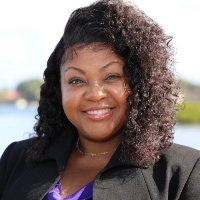
Florida · 9 yrs in practice
Works with Stress, Anxiety / Family / Parenting +12
Works by Client-Centered Therapy / Cognitive Behavioral Therapy (CBT)
Read profile
New York · 21 yrs in practice
Works with Stress, Anxiety / Addictions / Depression +11
Read profile
New York · 20 yrs in practice · 3 languages
Works with Stress, Anxiety / Relationship / Family +16
Works by Client-Centered Therapy / Cognitive Behavioral Therapy (CBT)
Read profile
Massachusetts · 30 yrs in practice
Works with Addictions / Family / Trauma and abuse +17
Read profile
Florida · 20 yrs in practice
Works with Stress, Anxiety / Addictions / Relationship +15
Read profile
Florida · 21 yrs in practice
Works with Stress, Anxiety / Depression / Coping with life changes +13
Works by Client-Centered Therapy / Cognitive Behavioral Therapy (CBT)
Read profile
Florida · 10 yrs in practice
Works with Stress, Anxiety / Addictions / Relationship +8
Works by Client-Centered Therapy / Cognitive Behavioral Therapy (CBT)
Read profile
Washington · 50 yrs in practice
Works with Stress, Anxiety / Trauma and abuse / Intimacy-related issues +16
Works by Attachment-Based Therapy / Client-Centered Therapy
Read profile
Florida · 11 yrs in practice
Works with Stress, Anxiety / Trauma and abuse / Grief +9
Works by Acceptance and Commitment Therapy (ACT) / Attachment-Based Therapy
Read profile
Florida · 25 yrs in practice
Works with Stress, Anxiety / Addictions / Trauma and abuse +15
Works by Client-Centered Therapy / Cognitive Behavioral Therapy (CBT)
Read profile
New York · 17 yrs in practice · 3 languages
Works with Stress, Anxiety / Self esteem / Career +15
Works by Psychodynamic Therapy / Solution-Focused Therapy
Read profile
Florida · 30 yrs in practice
Works with Stress, Anxiety / Family / Trauma and abuse +15
Works by Client-Centered Therapy / Cognitive Behavioral Therapy (CBT)
Read profile
New York · 7 yrs in practice
Works with Addictions / Relationship / Trauma and abuse +7
Works by Client-Centered Therapy / Cognitive Behavioral Therapy (CBT)
Read profile
Florida · 25 yrs in practice
Works with Stress, Anxiety / Relationship / Intimacy-related issues +1
Works by Client-Centered Therapy / Cognitive Behavioral Therapy (CBT)
Read profile
Florida · 30 yrs in practice
Works with Addictions / Relationship / Family +14
Works by Cognitive Behavioral Therapy (CBT) / Solution-Focused Therapy
Read profile
Iowa · 9 yrs in practice
Works with Trauma and abuse / Grief / Anger +11
Works by Acceptance and Commitment Therapy (ACT) / Attachment-Based Therapy
Read profile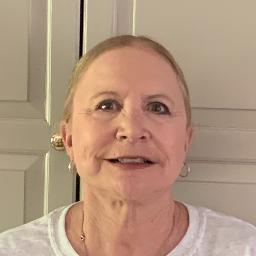
Arizona · 10 yrs in practice
Works with Stress, Anxiety / Addictions / Relationship +15
Works by Acceptance and Commitment Therapy (ACT) / Attachment-Based Therapy
Read profile
Iowa · 9 yrs in practice
Works with Stress, Anxiety / Trauma and abuse / Grief +13
Works by Acceptance and Commitment Therapy (ACT) / Client-Centered Therapy
Read profile
Indiana · 25 yrs in practice
Works with Stress, Anxiety / Relationship / Family +10
Works by Cognitive Behavioral Therapy (CBT) / Mindfulness Therapy
Read profile
Florida · 25 yrs in practice
Works with Stress, Anxiety / Relationship / Family +14
Read profile
Florida · 8 yrs in practice
Works with Stress, Anxiety / Addictions / Trauma and abuse +15
Works by Attachment-Based Therapy / Client-Centered Therapy
Read profileIntimacy issues refer to the patterns and barriers that make emotional closeness, physical intimacy, or trust difficult. They can show up as difficulty expressing emotions, fear of vulnerability, avoidance of physical touch, low sexual desire, performance anxiety, or recurring conflicts that undermine closeness. These challenges may affect romantic partnerships, new relationships, or how you relate to family and friends. Intimacy issues are not a single diagnosis - they are a range of relational and personal struggles that influence your sense of connection and wellbeing.
When intimacy is strained, you might notice impacts that extend beyond your relationship. You may feel isolated even when you are with someone, worry about being misunderstood, or find that attempts to get closer result in arguments or emotional withdrawal. Work, friendships, and self-image can be affected as you expend energy managing fear, shame, or mistrust. Understanding how these patterns operate is the first step toward changing them, because recognizing the link between behaviors and feelings helps you respond differently over time.
You might consider therapy if you notice repeated cycles that undermine connection, such as chronic avoidance, persistent arguments about closeness, or recurring dissatisfaction with your sexual relationship. If you find it hard to express needs, fear being judged when you reveal yourself, or experience a persistent mismatch in desire or affection with a partner, that can signal a place where counseling may help. Therapy is also helpful when past experiences - including childhood attachment patterns, trauma, or losses - feel like they are shaping your current relationships in ways you do not want.
If intimacy struggles lead you to consider ending relationships, cause ongoing distress, or affect other areas of your life like sleep, concentration, or overall mood, it is reasonable to seek professional support. Therapy can create an opportunity to explore the emotional roots of these patterns, practice new ways of communicating, and build strategies that foster connection. You do not need a crisis to benefit from counseling - many people pursue therapy to strengthen bonds and prevent small problems from becoming larger ones.
In early sessions you and the counselor typically explore the issues that brought you to therapy, recent patterns in your relationships, and relevant history that shapes your ways of relating. The counselor will ask about your goals and what you hope to change. If you come as a couple, sessions often begin by identifying shared concerns and what each partner hopes to achieve. If you come individually, the focus will be on your experience and how it shows up in relationships.
Later sessions often combine emotional exploration with practical skills. You can expect to practice communication techniques, experiment with new patterns of vulnerability, and learn ways to manage anxiety around intimacy. Some counselors use structured exercises designed for couples, while others focus on individual emotional regulation, attachment patterns, or sexuality education. Progress can be gradual - therapy tends to involve trying new responses, reflecting on what happens, and adjusting course with the counselor's guidance.
There are several therapeutic approaches that counselors may list when addressing intimacy issues. Some therapists describe approaches that focus on attachment and emotional bonding, which explore how early relationships shape your current comfort with closeness. Others mention cognitive and behavioral strategies that help you identify unhelpful beliefs and practice different ways of interacting. There are also body-oriented and sex-positive approaches that include education about sexual response and techniques for reducing anxiety related to intimacy. When you review profiles, you may see therapists who list these and other approaches among their tools.
Different methods emphasize different aspects of intimacy. If you are seeking help for emotional distance or fear of vulnerability, approaches that focus on attachment and relational patterns may be a match. If sexual functioning or desire mismatch is central, you might look for counselors who list sexuality-focused approaches and education among their specialties. If past trauma influences your intimacy, look for therapists who describe trauma-informed perspectives among their approaches. Remember that a therapist's listed approaches describe what they use in sessions, not an external credential, so you can explore how they explain their work in their profile and during an initial conversation.
Online therapy lets you attend sessions from your home or another setting you choose. You can meet with a counselor via video, phone, or messaging, depending on the services they list. For couples or partners who live apart or have conflicting schedules, virtual sessions can make it easier to meet together. In online work you will still engage in emotional exploration, communication practice, and tailored exercises. Therapists who work remotely adapt interventions to the virtual format, and many provide resources you can use between sessions to practice new skills.
When selecting a counselor for intimacy issues, consider what matters most to you. Think about the focus you want - emotional connection, sexual concerns, trauma-related intimacy barriers, or relationship skills - and look for profiles where those areas are emphasized. Pay attention to the approaches a therapist lists so you can find someone whose methods align with your preferences. Language, cultural background, and experience working with similar concerns can also be important if you want a match on values and perspective. It helps to read a counselor's statement about how they approach intimacy issues so you can get a sense of whether their style might fit your needs. Finally, plan to use an initial conversation to ask about how they work with couples or individuals, what a typical session looks like, and how they handle the practicalities of online work. That conversation will give you a clearer sense of whether you feel understood and supported.
Intimacy issues are common and treatable concerns that respond well to thoughtful, consistent work. Whether you are seeking help to open up to a partner, address sexual concerns, or heal patterns rooted in earlier relationships, counseling offers a process for exploring what gets in the way of connection and discovering sustainable ways to build closeness. Use the listings above to find counselors who list the approaches and focus areas that match your goals, and reach out to begin a conversation about the path you want to take.
Arizona
7 therapists
California
11 therapists
Connecticut
8 therapists
Florida
1340 therapists
Georgia
11 therapists
Hawaii
38 therapists
Illinois
16 therapists
Indiana
143 therapists
Iowa
57 therapists
Louisiana
6 therapists
Maryland
6 therapists
Massachusetts
133 therapists
Minnesota
6 therapists
Missouri
12 therapists
Nebraska
14 therapists
Nevada
5 therapists
New Hampshire
7 therapists
New Jersey
17 therapists
New York
517 therapists
North Carolina
11 therapists
Ohio
13 therapists
Oregon
9 therapists
Pennsylvania
14 therapists
Rhode Island
21 therapists
South Carolina
10 therapists
Texas
27 therapists
Utah
12 therapists
Virginia
10 therapists
Washington
204 therapists
Wisconsin
6 therapists