
Dr. Daniella Jackson, LMHC
Florida · 20 yrs in practice · 2 languages
Works with Stress, Anxiety / Addictions / Relationship +17
Works by Acceptance and Commitment Therapy (ACT) / Attachment-Based Therapy
Read profileTherapist listings come from BetterHelp. We will earn a commission if you sign up through a link on this page, at no extra cost to you, and it does not change the order of the listings.
On this page you will find therapists who list women's issues as a specialty, including details on their approaches, credentials, languages, and experience. Browse the listings below to learn more and preview profiles that may fit your needs.
Florida · 20 yrs in practice · 2 languages
Works with Stress, Anxiety / Addictions / Relationship +17
Works by Acceptance and Commitment Therapy (ACT) / Attachment-Based Therapy
Read profile
Florida · 25 yrs in practice · 2 languages
Works with Relationship / Trauma and abuse / Grief +13
Works by Client-Centered Therapy / Eye Movement Desensitization and Reprocessing (EMDR)
Read profile
Pennsylvania · 12 yrs in practice
Works with Stress, Anxiety / Relationship / Self esteem +12
Works by Client-Centered Therapy / Cognitive Behavioral Therapy (CBT)
Read profile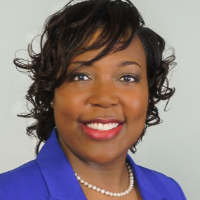
Florida · 10 yrs in practice
Works with Relationship / Family / Self esteem +5
Works by Client-Centered Therapy / Cognitive Behavioral Therapy (CBT)
Read profile
Florida · 18 yrs in practice
Works with Stress, Anxiety / Relationship / Grief +13
Works by Client-Centered Therapy / Cognitive Behavioral Therapy (CBT)
Read profile
Florida · 15 yrs in practice
Works with Stress, Anxiety / Addictions / Trauma and abuse +15
Works by Acceptance and Commitment Therapy (ACT) / Client-Centered Therapy
Read profile
Pennsylvania · 10 yrs in practice
Works with Stress, Anxiety / Relationship / Grief +9
Works by Cognitive Behavioral Therapy (CBT) / Dialectical Behavior Therapy (DBT)
Read profile
Florida · 20 yrs in practice
Works with Addictions / Relationship / Trauma and abuse +15
Works by Acceptance and Commitment Therapy (ACT) / Attachment-Based Therapy
Read profile
Florida · 17 yrs in practice
Works with Stress, Anxiety / Trauma and abuse / Eating +15
Works by Acceptance and Commitment Therapy (ACT) / Client-Centered Therapy
Read profile
Florida · 19 yrs in practice
Works with Stress, Anxiety / Family / Grief +13
Works by Acceptance and Commitment Therapy (ACT) / Client-Centered Therapy
Read profile
Florida · 30 yrs in practice
Works with Addictions / Relationship / Self esteem +4
Works by Cognitive Behavioral Therapy (CBT) / Motivational Interviewing
Read profile
Florida · 20 yrs in practice
Works with Stress, Anxiety / Grief / Self esteem +10
Works by Client-Centered Therapy / Cognitive Behavioral Therapy (CBT)
Read profile
Florida · 21 yrs in practice
Works with Addictions / Relationship / Family +3
Works by Client-Centered Therapy / Cognitive Behavioral Therapy (CBT)
Read profile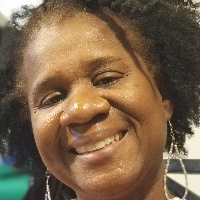
New York · 6 yrs in practice
Works with Stress, Anxiety / Parenting / Anger +13
Works by Client-Centered Therapy / Cognitive Behavioral Therapy (CBT)
Read profile
Florida · 24 yrs in practice
Works with Stress, Anxiety / Addictions / Grief +15
Works by Acceptance and Commitment Therapy (ACT) / Client-Centered Therapy
Read profile
Florida · 13 yrs in practice
Works with Stress, Anxiety / Self esteem / Depression +8
Works by Acceptance and Commitment Therapy (ACT) / Client-Centered Therapy
Read profile
New York · 13 yrs in practice
Works with Stress, Anxiety / Self esteem / Depression +9
Works by Client-Centered Therapy / Cognitive Behavioral Therapy (CBT)
Read profile
Florida · 26 yrs in practice
Works with Stress, Anxiety / Addictions / LGBT +2
Read profile
Florida · 20 yrs in practice
Works with Stress, Anxiety / Relationship / Grief +2
Works by Acceptance and Commitment Therapy (ACT) / Attachment-Based Therapy
Read profile
Florida · 25 yrs in practice
Works with Stress, Anxiety / Relationship / Trauma and abuse +3
Works by Cognitive Behavioral Therapy (CBT) / Dialectical Behavior Therapy (DBT)
Read profile
Indiana · 11 yrs in practice
Works with Stress, Anxiety / Addictions / Trauma and abuse +15
Works by Client-Centered Therapy / Cognitive Behavioral Therapy (CBT)
Read profile
Florida · 20 yrs in practice
Works with Stress, Anxiety / Relationship / Grief +2
Works by Acceptance and Commitment Therapy (ACT) / Client-Centered Therapy
Read profile
Florida · 35 yrs in practice
Works with Stress, Anxiety / Family / Grief +17
Works by Attachment-Based Therapy / Client-Centered Therapy
Read profile
Florida · 9 yrs in practice
Works with Stress, Anxiety / Family / Parenting +12
Works by Client-Centered Therapy / Cognitive Behavioral Therapy (CBT)
Read profile
Florida · 9 yrs in practice
Works with Stress, Anxiety / Addictions / Self esteem +10
Works by Client-Centered Therapy / Cognitive Behavioral Therapy (CBT)
Read profile
New York · 20 yrs in practice · 3 languages
Works with Stress, Anxiety / Relationship / Family +16
Works by Client-Centered Therapy / Cognitive Behavioral Therapy (CBT)
Read profile
Florida · 11 yrs in practice
Works with Stress, Anxiety / Addictions / Relationship +2
Read profile
New York · 9 yrs in practice
Works with Stress, Anxiety / Relationship / Parenting +2
Works by Acceptance and Commitment Therapy (ACT) / Client-Centered Therapy
Read profile
Florida · 11 yrs in practice
Works with Stress, Anxiety / Trauma and abuse / Grief +9
Works by Acceptance and Commitment Therapy (ACT) / Attachment-Based Therapy
Read profile
Florida · 25 yrs in practice
Works with Stress, Anxiety / Addictions / Trauma and abuse +15
Works by Client-Centered Therapy / Cognitive Behavioral Therapy (CBT)
Read profile
Florida · 12 yrs in practice · 2 languages
Works with Stress, Anxiety / Trauma and abuse / Anger +2
Read profile
Arizona · 10 yrs in practice
Works with Stress, Anxiety / Addictions / Relationship +15
Works by Acceptance and Commitment Therapy (ACT) / Attachment-Based Therapy
Read profile
Iowa · 9 yrs in practice
Works with Stress, Anxiety / Trauma and abuse / Grief +13
Works by Acceptance and Commitment Therapy (ACT) / Client-Centered Therapy
Read profile
Indiana · 25 yrs in practice
Works with Stress, Anxiety / Relationship / Family +10
Works by Cognitive Behavioral Therapy (CBT) / Mindfulness Therapy
Read profile
New York · 10 yrs in practice · 2 languages
Works with Stress, Anxiety / Family / Self esteem +6
Works by Acceptance and Commitment Therapy (ACT) / Client-Centered Therapy
Read profile
Florida · 25 yrs in practice
Works with Stress, Anxiety / Relationship / Family +14
Read profile
Washington · 22 yrs in practice
Works with Stress, Anxiety / Relationship / Family +12
Works by Attachment-Based Therapy / Client-Centered Therapy
Read profile
Florida · 34 yrs in practice
Works with Stress, Anxiety / Family / Parenting +12
Works by Client-Centered Therapy / Cognitive Behavioral Therapy (CBT)
Read profile
Florida · 11 yrs in practice
Works with Stress, Anxiety / Family / Trauma and abuse +14
Works by Acceptance and Commitment Therapy (ACT) / Client-Centered Therapy
Read profile
Rhode Island · 20 yrs in practice
Works with Stress, Anxiety / Relationship / Family +15
Works by Acceptance and Commitment Therapy (ACT) / Cognitive Behavioral Therapy (CBT)
Read profile
Florida · 8 yrs in practice
Works with Stress, Anxiety / Addictions / Trauma and abuse +15
Works by Attachment-Based Therapy / Client-Centered Therapy
Read profile
Massachusetts · 10 yrs in practice
Works with Stress, Anxiety / LGBT / Relationship +11
Works by Acceptance and Commitment Therapy (ACT) / Attachment-Based Therapy
Read profile
New York · 11 yrs in practice
Works with Stress, Anxiety / Family / Eating +7
Works by Cognitive Behavioral Therapy (CBT)
Read profile
Nevada · 20 yrs in practice
Works with Stress, Anxiety / Self esteem / Depression +9
Works by Attachment-Based Therapy / Client-Centered Therapy
Read profile
New York · 7 yrs in practice
Works with Addictions / Relationship / Intimacy-related issues +4
Works by Cognitive Behavioral Therapy (CBT) / Motivational Interviewing
Read profile
Florida · 8 yrs in practice
Works with Stress, Anxiety / Family / Parenting +2
Works by Client-Centered Therapy / Cognitive Behavioral Therapy (CBT)
Read profile
Florida · 20 yrs in practice
Works with Stress, Anxiety / Relationship / Grief +15
Works by Client-Centered Therapy / Cognitive Behavioral Therapy (CBT)
Read profile
Florida · 30 yrs in practice · 2 languages
Works with Stress, Anxiety / Relationship / Family +16
Works by Acceptance and Commitment Therapy (ACT) / Attachment-Based Therapy
Read profileWhen people talk about women's issues in a therapeutic context they refer to a broad range of experiences that commonly affect those who identify as women. These may include reproductive and menstrual health concerns, pregnancy and postpartum changes, fertility challenges, menopause and perimenopause transitions, gender-based violence and trauma, relationship pressures, caregiving roles, body image and self-esteem struggles, workplace dynamics, and the emotional labor that often accompanies social expectations. Because these concerns intersect with cultural norms, socioeconomic factors, and personal history they can shape mood, sleep, relationships, and daily functioning in complex ways.
Women often carry multiple roles simultaneously - parent, partner, employee, caregiver - and those roles can create stress that accumulates over time. You might find that symptoms are not limited to a single problem but show up as anxiety, depression, overwhelming guilt, or difficulty making decisions. Therapy for women's issues recognizes that these challenges are rarely isolated and that addressing them calls for attention to both practical needs and emotional experience. In therapy you can explore how life transitions, social messages, and personal values interact to influence your well-being and create a plan that respects your priorities.
You might benefit from seeking a therapist who focuses on women's issues if you notice persistent changes in mood, appetite, sleep, or concentration that seem linked to reproductive events, relationship changes, or social role strain. If major life events like pregnancy, miscarriage, divorce, or retirement trigger intense feelings that interfere with daily life, therapy can provide a space to process those experiences. Repeated patterns in relationships - such as difficulty asserting boundaries, recurring conflict, or caregiving fatigue - are also common reasons people pursue specialized support.
Other indicators include feeling isolated because of gender-related experiences, facing workplace harassment or discrimination, carrying the emotional burden of caregiving without respite, or struggling with body image in a way that limits participation in activities you once enjoyed. If you are dealing with trauma related to gender-based violence, or you have concerns about sexual health that feel hard to discuss with friends or medical providers, a therapist who lists women's issues among their specialties can be a resource to help you navigate options and coping strategies. Seeking therapy is often a proactive step to gain perspective, develop coping skills, and identify practical changes that improve daily life.
Therapy for women's issues typically begins with an assessment of your current concerns, personal history, cultural background, and goals. Early sessions often involve getting to know how your symptoms or struggles fit into the larger context of your life - work, family, relationships, and health. You and your therapist will explore what you want to change and what strengths you bring to that process. This collaborative approach helps set realistic short-term and long-term goals and shapes the therapeutic plan.
Throughout treatment you can expect a mix of emotional processing and practical skill-building. Some sessions may center on processing painful memories or grief. Other sessions may focus on communication skills, boundary-setting, stress management, or strategies to navigate medical and legal systems. Therapists who work with women's issues often incorporate attention to hormonal, reproductive, and developmental cycles when relevant, because those factors can influence mood and behavior. Your therapist should invite questions about their approach and discuss how it fits your preferences. Progress may be gradual and nonlinear, and a therapist can help you recognize small changes that signal forward movement while adjusting the plan as your needs evolve.
There is no single approach that fits everyone, and many therapists combine techniques to address the emotional and practical aspects of women's issues. Cognitive behavioral techniques are frequently used to help you identify thought patterns that contribute to distress and to develop alternative, more adaptive ways of thinking and behaving. Approaches that emphasize emotional processing can help you work through trauma, loss, or conflicted feelings about relationships and identity.
Some therapists integrate mindfulness and acceptance-based practices to help you tolerate difficult emotions and focus on values-guided action. Others emphasize relational or systemic perspectives that explore family dynamics, cultural expectations, and societal influences on gender roles. If trauma is part of your experience you may encounter therapists who list EMDR among their approaches or who describe trauma-focused methods, though a listing only indicates that the approach is part of their practice profile. In addition, therapists who work with reproductive or perinatal concerns may coordinate with your medical providers to ensure a cohesive support plan. When you review profiles you can look for descriptions of approaches and decide which feel most compatible with your needs and preferences.
Online therapy can be an effective option if you prefer remote sessions, need flexibility around childcare or work, or live in an area with fewer local specialists. Sessions typically take place through video or phone calls, and some therapists offer messaging between appointments for check-ins and homework. For women's issues, remote work can make it easier to connect with a clinician who lists specific experience with reproductive, perinatal, or gender-based concerns without geographic limitations.
Before you begin online therapy think about where you will hold sessions so you can speak openly and focus. Choose a location that feels comfortable and where you are unlikely to be interrupted. Test your device and internet connection ahead of time and ask the therapist about their software and privacy practices. If you have concerns that require documentation or coordination with medical providers you can ask how the therapist handles referrals and communication with other members of your care team. Online formats may also make it easier to schedule shorter check-in sessions when life is particularly busy or to switch between in-person and remote work if the therapist offers both.
When choosing a therapist start by clarifying what you hope to address and what qualities matter most to you. Decide whether you prefer a clinician who emphasizes practical skills, emotional processing, trauma work, or a relational approach. Look for profiles that describe experience with the specific life-stage or concern that matches your needs, whether that is pregnancy and postpartum matters, menopause, fertility-related stress, relationship dynamics, or recovery from gender-based trauma. Pay attention to languages spoken and cultural references when you need a clinician who understands particular cultural contexts or identity-related concerns.
Read how therapists describe their approaches with an eye toward wording that signals collaboration and transparency. Many profiles will list approaches they use; phrasing such as "therapists who list CBT, mindfulness, or trauma-focused approaches among their methods" can help you identify possible fits without implying any formal certification. Consider reaching out to ask about session structure, how the clinician integrates care with medical providers if needed, and what kinds of goals they typically work toward. You can also reflect on practical details like session length and whether they offer individual, couples, or family work if that is relevant for you. Ultimately the right match often depends on how comfortable you feel talking with the clinician and whether their approach aligns with your goals. Trust your judgment and give yourself permission to try a few conversations before making a decision about longer-term work.
Seeking therapy for women's issues is a proactive step toward better managing life transitions, healing from painful experiences, and strengthening relationships. By learning about common approaches and how online options function, you can make informed choices about which therapists to explore among the listings below. Use the profile details to compare focus areas, approaches, credentials, languages, and experience, and select clinicians whose descriptions align with your needs and values.
Arizona
7 therapists
California
11 therapists
Connecticut
8 therapists
Florida
1340 therapists
Georgia
11 therapists
Hawaii
38 therapists
Illinois
16 therapists
Indiana
143 therapists
Iowa
57 therapists
Louisiana
6 therapists
Maryland
6 therapists
Massachusetts
133 therapists
Minnesota
6 therapists
Missouri
12 therapists
Nebraska
14 therapists
Nevada
5 therapists
New Hampshire
7 therapists
New Jersey
17 therapists
New York
517 therapists
North Carolina
11 therapists
Ohio
13 therapists
Oregon
9 therapists
Pennsylvania
14 therapists
Rhode Island
21 therapists
South Carolina
10 therapists
Texas
27 therapists
Utah
12 therapists
Virginia
10 therapists
Washington
204 therapists
Wisconsin
6 therapists