
Dr. Daniella Jackson, LMHC
Florida · 20 yrs in practice · 2 languages
Works with Stress, Anxiety / Addictions / Relationship +17
Works by Acceptance and Commitment Therapy (ACT) / Attachment-Based Therapy
Read profileTherapist listings come from BetterHelp. We will earn a commission if you sign up through a link on this page, at no extra cost to you, and it does not change the order of the listings.
Explore profiles of therapists who list phobias as a specialty and learn how different approaches may help with intense fears. Browse the listings below to compare approaches, credentials and languages as you search for a counselor who feels like a good fit.
Florida · 20 yrs in practice · 2 languages
Works with Stress, Anxiety / Addictions / Relationship +17
Works by Acceptance and Commitment Therapy (ACT) / Attachment-Based Therapy
Read profile
Florida · 23 yrs in practice
Works with Stress, Anxiety / Addictions / Self esteem +11
Works by Client-Centered Therapy / Cognitive Behavioral Therapy (CBT)
Read profile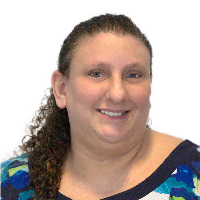
Florida · 15 yrs in practice
Works with Stress, Anxiety / Addictions / Trauma and abuse +15
Works by Acceptance and Commitment Therapy (ACT) / Client-Centered Therapy
Read profile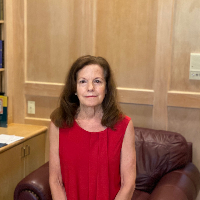
Massachusetts · 25 yrs in practice
Works with Stress, Anxiety / Relationship / Family +15
Works by Attachment-Based Therapy / Client-Centered Therapy
Read profile
Indiana · 8 yrs in practice
Works with Stress, Anxiety / Addictions / Family +16
Works by Acceptance and Commitment Therapy (ACT) / Attachment-Based Therapy
Read profile
Florida · 20 yrs in practice
Works with Addictions / Relationship / Trauma and abuse +15
Works by Acceptance and Commitment Therapy (ACT) / Attachment-Based Therapy
Read profile
Florida · 17 yrs in practice
Works with Stress, Anxiety / Trauma and abuse / Eating +15
Works by Acceptance and Commitment Therapy (ACT) / Client-Centered Therapy
Read profile
Florida · 24 yrs in practice
Works with Stress, Anxiety / Addictions / Grief +15
Works by Acceptance and Commitment Therapy (ACT) / Client-Centered Therapy
Read profile
New York · 18 yrs in practice · 3 languages
Works with Stress, Anxiety / Relationship / Parenting +2
Read profile
Florida · 20 yrs in practice
Works with Stress, Anxiety / Relationship / Grief +2
Works by Acceptance and Commitment Therapy (ACT) / Attachment-Based Therapy
Read profile
Florida · 35 yrs in practice
Works with Stress, Anxiety / Family / Grief +17
Works by Attachment-Based Therapy / Client-Centered Therapy
Read profile
Florida · 9 yrs in practice
Works with Stress, Anxiety / Addictions / Self esteem +10
Works by Client-Centered Therapy / Cognitive Behavioral Therapy (CBT)
Read profile
New York · 9 yrs in practice
Works with Stress, Anxiety / Relationship / Parenting +2
Works by Acceptance and Commitment Therapy (ACT) / Client-Centered Therapy
Read profile
Florida · 10 yrs in practice
Works with Stress, Anxiety / Addictions / Relationship +8
Works by Client-Centered Therapy / Cognitive Behavioral Therapy (CBT)
Read profile
Washington · 50 yrs in practice
Works with Stress, Anxiety / Trauma and abuse / Intimacy-related issues +16
Works by Attachment-Based Therapy / Client-Centered Therapy
Read profile
Iowa · 9 yrs in practice
Works with Trauma and abuse / Grief / Anger +11
Works by Acceptance and Commitment Therapy (ACT) / Attachment-Based Therapy
Read profile
Florida · 25 yrs in practice
Works with Stress, Anxiety / Relationship / Family +14
Read profile
Florida · 34 yrs in practice
Works with Stress, Anxiety / Family / Parenting +12
Works by Client-Centered Therapy / Cognitive Behavioral Therapy (CBT)
Read profile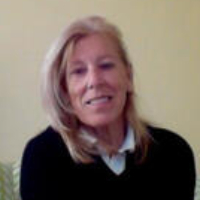
Rhode Island · 20 yrs in practice
Works with Stress, Anxiety / Relationship / Family +15
Works by Acceptance and Commitment Therapy (ACT) / Cognitive Behavioral Therapy (CBT)
Read profile
Florida · 8 yrs in practice
Works with Stress, Anxiety / Addictions / Trauma and abuse +15
Works by Attachment-Based Therapy / Client-Centered Therapy
Read profile
New York · 11 yrs in practice
Works with Stress, Anxiety / Family / Eating +7
Works by Cognitive Behavioral Therapy (CBT)
Read profile
New York · 38 yrs in practice
Works with Stress, Anxiety / Addictions / Relationship +16
Works by Acceptance and Commitment Therapy (ACT) / Attachment-Based Therapy
Read profile
Florida · 30 yrs in practice · 2 languages
Works with Stress, Anxiety / Relationship / Family +16
Works by Acceptance and Commitment Therapy (ACT) / Attachment-Based Therapy
Read profile
Florida · 24 yrs in practice
Works with Stress, Anxiety / Grief / Depression +14
Works by Client-Centered Therapy / Cognitive Behavioral Therapy (CBT)
Read profile
New York · 10 yrs in practice
Works with Stress, Anxiety / Family / Trauma and abuse +13
Works by Attachment-Based Therapy / Client-Centered Therapy
Read profile
Florida · 24 yrs in practice
Works with Stress, Anxiety / Self esteem / Depression +13
Works by Client-Centered Therapy / Cognitive Behavioral Therapy (CBT)
Read profile
Florida · 27 yrs in practice
Works with Stress, Anxiety / Parenting / Self esteem +12
Works by Acceptance and Commitment Therapy (ACT) / Client-Centered Therapy
Read profile
New York · 11 yrs in practice
Works with Stress, Anxiety / Relationship / Family +12
Works by Acceptance and Commitment Therapy (ACT) / Attachment-Based Therapy
Read profile
Florida · 6 yrs in practice
Works with Stress, Anxiety / Relationship / Trauma and abuse +11
Works by Acceptance and Commitment Therapy (ACT) / Client-Centered Therapy
Read profile
Indiana · 11 yrs in practice
Works with Stress, Anxiety / Trauma and abuse / Grief +9
Works by Attachment-Based Therapy / Client-Centered Therapy
Read profile
Florida · 32 yrs in practice
Works with Stress, Anxiety / Trauma and abuse / Parenting +17
Works by Acceptance and Commitment Therapy (ACT) / Attachment-Based Therapy
Read profile
New York · 6 yrs in practice
Works with Stress, Anxiety / Family / Self esteem +17
Works by Client-Centered Therapy / Cognitive Behavioral Therapy (CBT)
Read profile
Florida · 11 yrs in practice
Works with Stress, Anxiety / Addictions / Anger +12
Works by Client-Centered Therapy / Cognitive Behavioral Therapy (CBT)
Read profile
New Mexico · 10 yrs in practice
Works with Stress, Anxiety / Relationship / Grief +7
Works by Client-Centered Therapy / Cognitive Behavioral Therapy (CBT)
Read profile
Florida · 11 yrs in practice
Works with Stress, Anxiety / Addictions / Relationship +15
Works by Acceptance and Commitment Therapy (ACT) / Attachment-Based Therapy
Read profile
Florida · 22 yrs in practice
Works with Stress, Anxiety / Trauma and abuse / Sleeping +17
Read profile
Hawaii · 20 yrs in practice
Works with Stress, Anxiety / Relationship / Trauma and abuse +13
Works by Cognitive Behavioral Therapy (CBT) / Dialectical Behavior Therapy (DBT)
Read profile
Indiana · 26 yrs in practice
Works with Stress, Anxiety / Relationship / Family +8
Works by Acceptance and Commitment Therapy (ACT) / Client-Centered Therapy
Read profile
Florida · 3 yrs in practice
Works with Stress, Anxiety / Addictions / Trauma and abuse +9
Works by Client-Centered Therapy / Cognitive Behavioral Therapy (CBT)
Read profile
Florida · 38 yrs in practice
Works with Relationship / Trauma and abuse / Intimacy-related issues +8
Works by Client-Centered Therapy / Cognitive Behavioral Therapy (CBT)
Read profile
Florida · 6 yrs in practice
Works with Stress, Anxiety / Relationship / Self esteem +12
Read profile
Florida · 11 yrs in practice
Works with Addictions / LGBT / Trauma and abuse +13
Works by Client-Centered Therapy / Cognitive Behavioral Therapy (CBT)
Read profile
South Carolina · 17 yrs in practice
Works with Stress, Anxiety / Relationship / Family +14
Works by Acceptance and Commitment Therapy (ACT) / Attachment-Based Therapy
Read profile
Florida · 12 yrs in practice · 2 languages
Works with Stress, Anxiety / Relationship / Parenting +6
Works by Acceptance and Commitment Therapy (ACT) / Client-Centered Therapy
Read profile
Florida · 27 yrs in practice
Works with Addictions / Relationship / Trauma and abuse +17
Works by Client-Centered Therapy / Cognitive Behavioral Therapy (CBT)
Read profile
Rhode Island · 30 yrs in practice
Works with Stress, Anxiety / LGBT / Relationship +3
Read profile
Massachusetts · 15 yrs in practice
Works with Stress, Anxiety / Trauma and abuse / Depression +5
Read profile
Florida · 6 yrs in practice
Works with Stress, Anxiety / Trauma and abuse / Grief +13
Works by Attachment-Based Therapy / Client-Centered Therapy
Read profilePhobias are intense, often persistent fears of specific objects, situations or activities that many people experience at some point. Common examples include fear of heights, flying, certain animals, needles, or situations such as crowded places. For some people a phobia is a fleeting discomfort that is easy to avoid. For others the fear becomes a pattern of avoidance and distress that interferes with work, relationships or daily routines. When you face a phobia, you may notice a physical reaction - increased heart rate, sweating, trembling, dizziness or feeling unable to breathe - along with strong urges to leave or avoid the trigger. Over time avoidance can narrow what you feel comfortable doing, and the effort to prevent encounters with the feared object or situation can shape decisions about travel, career choices and social life.
Understanding how a phobia operates in your life means looking at thoughts, bodily reactions and behaviors together. Many people find that their thinking patterns - catastrophic predictions or beliefs about danger - amplify the fear response. The behavior of avoiding triggers reduces short-term anxiety but also prevents opportunities to learn that the feared outcome is unlikely or manageable. A therapist can help you identify the cycle of avoidance and develop gradual steps to reduce the hold the fear has on your choices.
You might consider reaching out for help when fear regularly limits what you do or causes significant distress. If you find yourself turning down work or social opportunities because of a fear, changing routes or plans to avoid certain situations, or experiencing panic-like symptoms when a trigger appears, these are indicators that the phobia is impacting your life. When worry about an upcoming encounter with the feared object dominates your thinking for days or weeks, or when avoidance increases tension in relationships, it is reasonable to consider therapeutic support.
Therapy can also be helpful if you have tried to cope on your own and found that strategies like distraction or short-term avoidance only provide temporary relief. You may notice that the fear returns stronger or that new situations become linked with anxiety. If you are unsure whether therapy is right for you, an initial consultation with a counselor who lists phobias among their specialties can help you clarify goals and options. That conversation can give you a sense of whether a particular approach and therapist style match what you need.
At the start of therapy you can expect a collaborative conversation that explores the history of your fear, what you avoid, and how the phobia affects daily life. Your therapist will ask about physical reactions, thoughts that accompany the fear, and any strategies you have already used to cope. Together you will set specific, measurable goals - for example, attending an event that previously felt impossible or reducing panic symptoms in trigger situations - and outline steps to get there.
Sessions often combine education about the fear response with hands-on exercises and planning. Many counselors use gradual, planned exposures that help you approach feared situations in a measured way. You will work on breaking tasks into small, manageable steps and practice skills in the therapy session that you then use between appointments. Homework is common, because repeated practice outside of sessions is a key ingredient in changing how you respond to a trigger. You should expect a pace tailored to your comfort level, with room to adjust as you notice progress.
Progress is usually tracked by comparing your ability to face feared situations, changes in anxiety intensity, and how much the fear controls your behavior. Your therapist may help you log exposures, note shifts in thought patterns and refine strategies as needed. If one method does not suit you, you and your counselor can explore alternatives and make adjustments that better match your needs and preferences.
Counselors use several well-established approaches when working with phobias, and therapists often list a combination of methods among their approaches. Cognitive behavioral approaches are commonly used to help you identify and reframe thoughts that maintain fear, and to build the behavioral practice needed to reduce avoidance. Exposure-based strategies focus on gradual, repeated contact with the feared stimulus so you can learn new responses and reduce anxiety over time. Acceptance-oriented approaches emphasize noticing and allowing anxiety without trying to eliminate it, while committing to actions that align with your values despite discomfort.
Other methods that therapists might list include relaxation and breathing techniques to help manage acute symptoms during exposures, mindfulness practices to change your relationship with anxious thoughts, and imagery or imaginal exposure when in-person contact with a trigger is not possible. Some counselors mention technology-assisted options, such as virtual reality exposure, as part of their approaches. You will also find therapists who incorporate broader therapeutic frameworks to address underlying factors that contribute to fear, such as past experiences or patterns of worry. When reviewing profiles, note which approaches a therapist lists and consider how those descriptions match your preferences for hands-on practice, cognitive work, or acceptance-based work.
Online counseling can be a practical option if you prefer meeting by video, need flexible scheduling, or want to work with counselors who are not local. Video sessions allow you to practice exposures in real-world contexts with guidance from your therapist, and you can use screen sharing and digital worksheets to organize homework. Some therapists who list telehealth as part of their approach may also describe how they support in-the-moment work, such as coaching you through a feared situation while you are in the environment. Technology can expand options for practice, but it also requires reliable internet and a comfortable place to meet from home or another setting.
When you are comparing profiles, focus on the match between your needs and the information therapists provide. Look for counselors who list phobias or specific fears among their specialties, note the approaches they describe, and review their stated experience with exposure work if that is important to you. Consider language, cultural background, and the therapist's description of how they structure sessions, since rapport and communication style are key to effective work. Ask about the kinds of exercises they typically use, how they support homework practice, and what a typical course of therapy looks like for phobias.
Cost, insurance and session length are practical factors you will want to weigh. You can also inquire about remote options and how the therapist manages crisis planning or safety concerns in telehealth sessions. Finally, trust your sense of fit. An initial consultation or brief meeting can help you gauge whether the therapist's approach and manner feel comfortable and collaborative. Finding a counselor who listens and adapts to your pace can make a big difference as you work toward facing fears and expanding what you can do with confidence.
Arizona
7 therapists
California
11 therapists
Connecticut
8 therapists
Florida
1340 therapists
Georgia
11 therapists
Hawaii
38 therapists
Illinois
16 therapists
Indiana
143 therapists
Iowa
57 therapists
Louisiana
6 therapists
Maryland
6 therapists
Massachusetts
133 therapists
Minnesota
6 therapists
Missouri
12 therapists
Nebraska
14 therapists
Nevada
5 therapists
New Hampshire
7 therapists
New Jersey
17 therapists
New York
517 therapists
North Carolina
11 therapists
Ohio
13 therapists
Oregon
9 therapists
Pennsylvania
14 therapists
Rhode Island
21 therapists
South Carolina
10 therapists
Texas
27 therapists
Utah
12 therapists
Virginia
10 therapists
Washington
204 therapists
Wisconsin
6 therapists