
Dr. Daniella Jackson, LMHC
Florida · 20 yrs in practice · 2 languages
Works with Stress, Anxiety / Addictions / Relationship +17
Works by Acceptance and Commitment Therapy (ACT) / Attachment-Based Therapy
Read profileTherapist listings come from BetterHelp. We will earn a commission if you sign up through a link on this page, at no extra cost to you, and it does not change the order of the listings.
This directory highlights therapists who work with fertility issues and related reproductive concerns. Browse the listings below to compare approaches, credentials, languages, and experience.
Florida · 20 yrs in practice · 2 languages
Works with Stress, Anxiety / Addictions / Relationship +17
Works by Acceptance and Commitment Therapy (ACT) / Attachment-Based Therapy
Read profile
Indiana · 8 yrs in practice
Works with Stress, Anxiety / Addictions / Family +16
Works by Acceptance and Commitment Therapy (ACT) / Attachment-Based Therapy
Read profile
Florida · 20 yrs in practice
Works with Addictions / Relationship / Trauma and abuse +15
Works by Acceptance and Commitment Therapy (ACT) / Attachment-Based Therapy
Read profile
Florida · 24 yrs in practice
Works with Stress, Anxiety / Addictions / Grief +15
Works by Acceptance and Commitment Therapy (ACT) / Client-Centered Therapy
Read profile
Florida · 13 yrs in practice
Works with Stress, Anxiety / Self esteem / Depression +8
Works by Acceptance and Commitment Therapy (ACT) / Client-Centered Therapy
Read profile
New York · 20 yrs in practice · 3 languages
Works with Stress, Anxiety / Relationship / Family +16
Works by Client-Centered Therapy / Cognitive Behavioral Therapy (CBT)
Read profile
Massachusetts · 30 yrs in practice
Works with Addictions / Family / Trauma and abuse +17
Read profile
Florida · 11 yrs in practice
Works with Stress, Anxiety / Trauma and abuse / Grief +9
Works by Acceptance and Commitment Therapy (ACT) / Attachment-Based Therapy
Read profile
Florida · 25 yrs in practice
Works with Stress, Anxiety / Relationship / Family +14
Read profile
Florida · 8 yrs in practice
Works with Stress, Anxiety / Addictions / Trauma and abuse +15
Works by Attachment-Based Therapy / Client-Centered Therapy
Read profile
Massachusetts · 10 yrs in practice
Works with Stress, Anxiety / LGBT / Relationship +11
Works by Acceptance and Commitment Therapy (ACT) / Attachment-Based Therapy
Read profile
Florida · 23 yrs in practice
Works with Stress, Anxiety / Self esteem / Career +12
Works by Client-Centered Therapy / Cognitive Behavioral Therapy (CBT)
Read profile
Florida · 7 yrs in practice
Works with Stress, Anxiety / Addictions / Trauma and abuse +13
Works by Attachment-Based Therapy / Client-Centered Therapy
Read profile
Florida · 38 yrs in practice
Works with Relationship / Trauma and abuse / Intimacy-related issues +8
Works by Client-Centered Therapy / Cognitive Behavioral Therapy (CBT)
Read profile
Florida · 11 yrs in practice
Works with Addictions / LGBT / Trauma and abuse +13
Works by Client-Centered Therapy / Cognitive Behavioral Therapy (CBT)
Read profile
Rhode Island · 30 yrs in practice
Works with Stress, Anxiety / LGBT / Relationship +3
Read profile
New York · 10 yrs in practice · 2 languages
Works with Stress, Anxiety / Relationship / Trauma and abuse +17
Works by Client-Centered Therapy / Cognitive Behavioral Therapy (CBT)
Read profile
New York · 30 yrs in practice · 4 languages
Works with Stress, Anxiety / Eating / Sleeping +2
Works by Solution-Focused Therapy
Read profile
Florida · 7 yrs in practice
Works with Stress, Anxiety / Relationship / Family +14
Works by Client-Centered Therapy / Cognitive Behavioral Therapy (CBT)
Read profile
Washington · 14 yrs in practice · 2 languages
Works with Stress, Anxiety / Trauma and abuse / Self esteem +2
Works by Client-Centered Therapy / Cognitive Behavioral Therapy (CBT)
Read profile
Florida · 10 yrs in practice
Works with Stress, Anxiety / Relationship / Parenting +2
Works by Acceptance and Commitment Therapy (ACT) / Attachment-Based Therapy
Read profile
Florida · 25 yrs in practice
Works with Stress, Anxiety / Relationship / Grief +2
Read profile
Florida · 15 yrs in practice · 2 languages
Works with Stress, Anxiety / Relationship / Family +2
Read profile
Florida · 25 yrs in practice
Works with Stress, Anxiety / Trauma and abuse / Self esteem +2
Works by Client-Centered Therapy / Cognitive Behavioral Therapy (CBT)
Read profile
New York · 5 yrs in practice
Works with Stress, Anxiety / LGBT / Self esteem +11
Works by Client-Centered Therapy / Cognitive Behavioral Therapy (CBT)
Read profile
Rhode Island · 5 yrs in practice
Works with Stress, Anxiety / Addictions / Self esteem +2
Read profile
New York · 8 yrs in practice
Works with Stress, Anxiety / Trauma and abuse / Grief +2
Read profile
Florida · 4 yrs in practice
Works with Stress, Anxiety / Self esteem / Career +2
Works by Acceptance and Commitment Therapy (ACT) / Cognitive Behavioral Therapy (CBT)
Read profile
Florida · 26 yrs in practice
Works with Stress, Anxiety / Family / Trauma and abuse +2
Read profile
Indiana · 40 yrs in practice
Works with Stress, Anxiety / Relationship / Grief +2
Read profile
Missouri · 5 yrs in practice
Works with Stress, Anxiety / Relationship / Family +2
Read profile
Connecticut · 11 yrs in practice
Works with Stress, Anxiety / Parenting / Self esteem +17
Works by Acceptance and Commitment Therapy (ACT) / Client-Centered Therapy
Read profile
Massachusetts · 20 yrs in practice
Works with Stress, Anxiety / Relationship / Parenting +13
Works by Cognitive Behavioral Therapy (CBT) / Dialectical Behavior Therapy (DBT)
Read profile
New York · 14 yrs in practice
Works with Stress, Anxiety / Relationship / Family +10
Works by Client-Centered Therapy / Cognitive Behavioral Therapy (CBT)
Read profile
Florida · 11 yrs in practice
Works with Stress, Anxiety / Family / Career +12
Works by Client-Centered Therapy / Cognitive Behavioral Therapy (CBT)
Read profile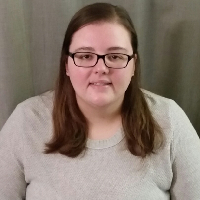
Florida · 8 yrs in practice
Works with Stress, Anxiety / LGBT / Trauma and abuse +12
Works by Client-Centered Therapy / Cognitive Behavioral Therapy (CBT)
Read profile
Massachusetts · 23 yrs in practice · 2 languages
Works with Addictions / LGBT / Relationship +13
Works by Client-Centered Therapy / Cognitive Behavioral Therapy (CBT)
Read profile
Utah · 12 yrs in practice
Works with Stress, Anxiety / Family / Trauma and abuse +13
Works by Attachment-Based Therapy / Client-Centered Therapy
Read profile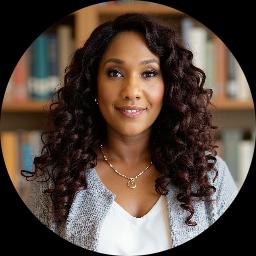
Ohio · 19 yrs in practice
Works with Stress, Anxiety / Relationship / Intimacy-related issues +12
Works by Attachment-Based Therapy / Client-Centered Therapy
Read profile
Oregon · 21 yrs in practice
Works with Relationship / Family / Intimacy-related issues +8
Works by Client-Centered Therapy / Cognitive Behavioral Therapy (CBT)
Read profile
South Carolina · 9 yrs in practice
Works with Stress, Anxiety / Addictions / Trauma and abuse +14
Works by Client-Centered Therapy / Cognitive Behavioral Therapy (CBT)
Read profile
Florida · 14 yrs in practice
Works with Stress, Anxiety / Addictions / Trauma and abuse +15
Works by Acceptance and Commitment Therapy (ACT) / Client-Centered Therapy
Read profile
New York · 10 yrs in practice
Works with Stress, Anxiety / Family / Parenting +14
Works by Client-Centered Therapy / Cognitive Behavioral Therapy (CBT)
Read profile
Florida · 16 yrs in practice
Works with Stress, Anxiety / Grief / Self esteem +15
Works by Existential Therapy / Mindfulness Therapy
Read profile
Arizona · 23 yrs in practice
Works with Stress, Anxiety / Self esteem / Depression +17
Works by Attachment-Based Therapy / Client-Centered Therapy
Read profile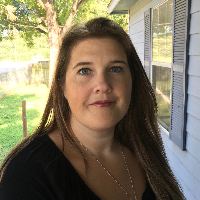
New York · 8 yrs in practice
Works with Stress, Anxiety / Trauma and abuse / Grief +15
Works by Acceptance and Commitment Therapy (ACT) / Client-Centered Therapy
Read profile
Florida · 26 yrs in practice
Works with Relationship / Grief / Self esteem +14
Works by Acceptance and Commitment Therapy (ACT) / Attachment-Based Therapy
Read profile
Arizona · 21 yrs in practice
Works with Stress, Anxiety / Relationship / Trauma and abuse +14
Works by Acceptance and Commitment Therapy (ACT) / Client-Centered Therapy
Read profileFertility issues cover a range of experiences related to trying to conceive, pregnancy loss, assisted reproductive technology, and changes in reproductive health. They may involve biological factors, age-related concerns, hormonal conditions, recurrent miscarriage, or complications that arise during conception and pregnancy. Beyond the medical aspects, fertility challenges often intersect with identity, life plans, and major transitions that people had not anticipated. Those realities can reshape how you see your future and how you relate to partners, family, and friends.
The emotional effects of fertility issues can be intense and varied. You might feel grief, disappointment, guilt, anger, or a profound sense of loss when expectations about parenthood shift. Social interactions may become complicated when others share news about pregnancies or offer well-meaning but painful advice. Cultural and familial expectations can amplify stress, and financial or logistical demands associated with treatments can add practical strain. For many people, the emotional toll is not only about the absence of a desired outcome but about the ongoing uncertainty and repeated cycles of hope and setback.
You might consider therapy if persistent anxiety or depression begins to affect daily functioning, relationships, or sleep. If you notice that conversations about children trigger intense emotional responses, or if avoidance becomes a pattern, therapy can help you explore those reactions. It is also common to seek support when communication with a partner becomes difficult, when differing coping styles create tension, or when decisions about treatments provoke stalemates. Therapy is useful not only in moments of crisis but also when you want tools to manage ongoing stress, process grief, and make values-based decisions during a complex course of care.
You may find it harder to concentrate at work, less interested in activities you used to enjoy, or more likely to withdraw from social situations. Financial strain from medical procedures can lead to persistent worry and conflict about priorities. You might notice shifts in libido or physical symptoms tied to stress. If reproductive challenges affect your sense of identity or cause repeated cycles of rumination and self-blame, a therapist can provide an opportunity to explore those patterns in a supportive, goal-oriented way.
Early sessions typically focus on building rapport and understanding the context of your fertility concerns. You can expect a therapist to ask about your history, relationships, and what you hope to gain from therapy. They will likely explore practical factors such as treatment timelines, past losses, or relevant medical information to better understand how emotional responses interact with real-world choices. Together you will identify goals for therapy, whether those involve processing grief, improving communication with a partner, or managing anxiety related to procedures and outcomes.
Subsequent sessions usually blend emotional processing with actionable coping strategies. You might work on techniques to manage distress in the moment, such as breathing practices or grounding exercises, and on cognitive strategies to challenge unhelpful thought patterns. Therapists often support couples or partners in developing shared communication strategies so that decisions about care feel more collaborative. Over time, therapy can help you create a narrative that integrates loss and hope, reduce the intensity of anticipatory anxiety, and clarify personal values that guide reproductive decisions.
Therapists use a range of modalities to address fertility-related distress. Cognitive-behavioral approaches focus on identifying and reshaping thought patterns that maintain anxiety or depression. Mindfulness-based methods help reduce rumination and increase present-moment awareness, which can be useful during uncertain waiting periods. Emotion-focused work helps you access and process grief, anger, or fear in ways that can transform how those emotions influence daily life. Somatic approaches can support people who experience physical manifestations of stress, offering techniques to regulate the nervous system.
You will also find therapists who list narrative, interpersonal, or solution-focused approaches among their methods. Some profiles may indicate approaches such as trauma-informed care or mention that therapists list EMDR among their approaches. When reading descriptions, note how an approach is framed rather than assuming specific credentials. Different methods can be combined to address both the immediate distress and the longer-term meaning-making that often accompanies fertility challenges. The key is finding a therapist whose described approaches and clinical emphasis align with the type of support you prefer.
Online therapy for fertility issues typically involves video sessions, phone calls, or messaging depending on the therapist's practice. Many people find remote sessions helpful because they reduce travel time, allow for scheduling around medical appointments, and make it possible to work with someone who has specific experience with reproductive concerns even if they are not local. You can expect to discuss logistics such as session length, frequency, and communication preferences during the first meetings. Therapists often describe how they adapt interventions for virtual formats, enabling work that is emotionally focused while making room for practical constraints.
When participating in online sessions, you may want to create a comfortable environment in your home or elsewhere that supports focused conversation. Privacy considerations are practical matters to plan for, such as choosing a quiet room and using headphones. If couples therapy is part of your plan, online formats can allow partners in different locations to join the same session. It can be helpful to discuss with a prospective therapist how they handle notes, follow-up between sessions, and coordination with medical providers if that is desired. Clear communication about expectations helps the therapeutic relationship feel reliable even when encounters happen through a screen.
Choosing a therapist often comes down to several interrelated factors. Consider the approaches that feel most helpful to you and look for language in profiles that speaks to emotional processing, grief work, or couples communication if those are priorities. Note the therapist's stated experience with reproductive concerns and whether they mention working with people undergoing medical treatments or pregnancy loss. Equally important is interpersonal fit - you want someone whose manner, tone, and style of communication feel approachable and respectful. Reading profiles and introductory statements can give you a sense of that fit before initiating contact.
Think about logistics such as session format, languages spoken, and whether you prefer individual or couples-focused work. If coordination with medical teams matters to you, look for therapists who discuss collaboration in their profiles. Prepare questions to clarify how a therapist typically structures sessions, how they measure progress, and what kinds of homework or between-session work they might suggest. Trust your sense of whether a therapist listens and responds in ways that reflect your priorities. If initial sessions raise concerns about match or approach, it is reasonable to look for someone whose style aligns more closely with your needs.
Fertility issues are deeply personal and often involve a mix of practical decisions, emotional processing, and relationship dynamics. Therapy can offer a space to work through those layers, cultivate coping skills, and clarify the values that guide your choices. Whether you pursue in-person or online sessions, reviewing therapist profiles with attention to approaches, experience, language, and interpersonal fit can help you identify a professional whose focus complements the kind of support you are seeking.
Arizona
7 therapists
California
11 therapists
Connecticut
8 therapists
Florida
1340 therapists
Georgia
11 therapists
Hawaii
38 therapists
Illinois
16 therapists
Indiana
143 therapists
Iowa
57 therapists
Louisiana
6 therapists
Maryland
6 therapists
Massachusetts
133 therapists
Minnesota
6 therapists
Missouri
12 therapists
Nebraska
14 therapists
Nevada
5 therapists
New Hampshire
7 therapists
New Jersey
17 therapists
New York
517 therapists
North Carolina
11 therapists
Ohio
13 therapists
Oregon
9 therapists
Pennsylvania
14 therapists
Rhode Island
21 therapists
South Carolina
10 therapists
Texas
27 therapists
Utah
12 therapists
Virginia
10 therapists
Washington
204 therapists
Wisconsin
6 therapists