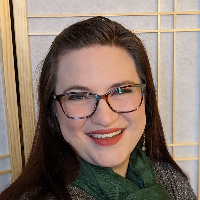
About Rebecca
Rebecca Preston is a Licensed Mental Health Counselor in New York with eight years of clinical experience. She has focused much of her work on people dealing with substance use and the emotional and relational problems that come with addiction. Rebecca brings a warm, empathetic presence to sessions and aims to make therapy straightforward and practical.
She has substantial experience supporting people who have survived complex trauma, including attachment wounds from childhood and intergenerational trauma.
Background and approach
She also works with mood concerns such as anxiety, depression, and bipolar disorder, plus personality-related difficulties. Rebecca has seen clients from varied cultural backgrounds and a wide age span during her clinical work. Her style leans toward mindfulness-based, client-centered care that pays attention to past wounds while focusing on present steps.
Rebecca describes her approach as playful when appropriate, and she emphasizes compassion as a starting place for change. Sessions typically blend steady listening with concrete tools for coping and regulation. Rebecca often helps people build skills for managing stress, sleep problems, anger, and relationship issues.
She also addresses challenges such as ADHD-related struggles, grief, compassion fatigue, and chronic illness or pain. Her work covers both immediate problem solving and longer-term recovery goals. People who prefer a kind, down-to-earth therapist who uses practical strategies and mindfulness may find her approach approachable.
Rebecca aims to walk beside clients as they practice new habits, try different responses, and regain a sense of control over daily life.
Therapeutic approaches and online care
Attachment-based work focuses on how early bonds shape current reactions and relationships. This approach helps people understand patterns like fear of abandonment, mistrust, or difficulty leaning on others, and it supports developing safer, more stable ways of relating.Cognitive Behavioral Therapy, or CBT, looks at the links between thoughts, feelings, and actions. It helps people change unhelpful thinking, try different behaviors, and reduce symptoms of anxiety, depression, and mood instability through practical exercises.
Client-centered therapy puts the person's experience first. The therapist listens without judgment, reflects what is happening, and helps people find their own answers while offering steady support.
Deciding which approach to use is a collaborative process. The therapist will talk with the client about goals, preferences, and day-to-day needs, and then tailor methods that fit those priorities. Adjustments can be made over time as progress and concerns change.
Online sessions offer practical flexibility. Video calls allow face-to-face conversation similar to in-person visits, while phone sessions work well when bandwidth is limited or when being on camera is not desired. Live chat and text messaging can be useful for quick check-ins, brief coping strategies, or ongoing support between longer sessions. These options make it easier to fit therapy into school, work, caregiving, or recovery schedules.
Frequently asked questions
What kinds of concerns does this therapist address?
What is the therapeutic style and approach?
How much clinical experience does she have?
What are her credentials and where is she located?
Which languages are supported for sessions?
What session formats are available?
How are costs handled for sessions?
How does someone begin working with this therapist?
Specialties and expertise
Top specialties
Also works with
- Abandonment
- ADHD
- Anger management
- Attachment issues
- Autism and Asperger Syndrome
- Avoidant personality
- Bipolar disorder
- Body image
- Caregiver issues and stress
- Chronic pain, illness, and disability
- Co-morbidity
- Codependency
- Commitment issues
- Communication problems
- Compassion fatigue
- Control issues
- Coping with life changes
- Coping with natural or human-caused disaster
- Dependent personality
- Depression
- Dissociation
- Domestic violence
- Drug and alcohol addiction
- Eating and food-related issues
- Emptiness
- Family conflicts
- Family of origin issues
- Family problems
- Grief
- Guilt and shame
- Impulsivity
- Isolation / loneliness
- LGBT
- Life purpose
- Mood disorders
- Multicultural concerns
- Obsessions, compulsions, and OCD
- Panic disorder and panic attacks
- Personality disorders
- Phobias
- Post-traumatic stress
- Process addiction (porn, exercise, gambling)
- Relationship issues
- Seasonal Affective Disorder (SAD)
- Self esteem
- Self-harm
- Self-love
- Sexual assault and abuse
- Sleeping disorders
- Smoking / vaping cessation
- Social anxiety and phobia
- Somatization
- Traumatic brain injury
- Trichotillomania
- Women's issues
- Workplace issues
- Young adult issues
Therapeutic approaches
- Experience
- 8 years
- Licensed
- New York
- Languages
- English