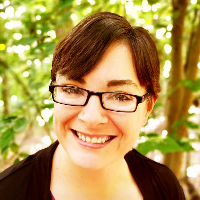
About Monique
Monique Rourk is a Licensed Mental Health Counselor who helps people manage stress, anxiety, depression, trauma, addictions, grief, and relationship struggles. She works with concerns that include self-esteem, anger, bipolar mood concerns, ADHD, intimacy issues, and coping with life changes. Monique speaks English and practices from Michigan with 20 years of experience.
Her style is relaxed and down-to-earth. Sessions are calm and focused on the client's goals. Clients take an active role in setting goals and choosing how to approach them.
Background and approach
Monique aims to meet people where they are and avoid judgment. Therapy can be conversational or skills-focused depending on needs. Conversations can help process feelings and memories.
Skill work can teach coping tools for emotion regulation and problem solving. She blends client-centered work with cognitive behavioral techniques to address patterns that cause distress. Monique emphasizes practical steps that improve day-to-day functioning.
She helps people build self-awareness, create emotional stability, and make plans for change. That can include safety planning, coping skills, and communication strategies for relationships. Her background includes a master's degree in mental health counseling and two decades in clinical work.
She holds the LMHC credential in Washington, Florida, and Michigan and also lists LPC. Her approach draws on mindfulness, motivational interviewing, and dialectical behavior therapy skills as needed.
Practical approaches for online healing
Monique often uses client-centered work that focuses on the person’s experience and priorities. This approach means sessions start with what matters most to the client and build a plan from there. It is helpful for people who want a supportive space to talk through feelings and make decisions.She also relies on cognitive behavioral therapy to identify unhelpful thoughts and change behaviors that cause distress. CBT gives concrete tools for anxiety, mood problems, and many stress-related concerns. Dialectical behavior therapy skills are used when emotion regulation and interpersonal effectiveness are priorities; these skills teach breathing, grounding, and communication techniques for intense moments.
Finding the right approach is a collaborative process. The therapist listens to goals, tries methods, and adjusts practices together with the client. This helps match techniques to what actually works for the person in their daily life.
Online formats include video calls, phone sessions, live chat, and text-based messaging. Video is useful for longer sessions and visual cues, while phone calls use less bandwidth. Live chat and text messaging suit brief check-ins, skill practice, or when writing feels easier than speaking. These options make it easier to fit therapy around work, family, and other commitments.
Frequently asked questions
What issues does she help with?
What is her therapy style like?
How much clinical experience does she have?
What credentials and location are listed?
In which languages can someone work with her?
Which session formats are available?
How does cost and billing work?
How does someone begin therapy with her?
Specialties and expertise
Top specialties
Also works with
- Abandonment
- ADHD
- Anger management
- Attachment issues
- BDSM, kink, and alternative sex culture
- Bipolar disorder
- Body image
- Co-morbidity
- Codependency
- Commitment issues
- Communication problems
- Control issues
- Coping with life changes
- Dependent personality
- Depression
- Divorce and separation
- Domestic violence
- Drug and alcohol addiction
- Emptiness
- Family conflicts
- Forgiveness
- Grief
- Guilt and shame
- Impulsivity
- Infidelity
- Intimacy-related issues
- Isolation / loneliness
- Jealousy
- Life purpose
- Mood disorders
- Obsessions, compulsions, and OCD
- Panic disorder and panic attacks
- Paranoia
- Personality disorders
- Phobias
- Polyamory / non-monogamous relationships
- Post-traumatic stress
- Process addiction (porn, exercise, gambling)
- Relationship issues
- Seasonal Affective Disorder (SAD)
- Self esteem
- Self-harm
- Self-love
- Sexual assault and abuse
- Sexuality
- Smoking / vaping cessation
- Social anxiety and phobia
- Veteran and Armed Forces Issues
- Women's issues
Therapeutic approaches
- Experience
- 20 years
- Licensed
- Michigan, Washington
- Languages
- English