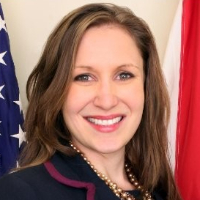
About Jennifer
Jennifer Evans is a licensed mental health counselor who focuses on helping people manage stress, anxiety, depression, and life transitions. She uses clear, practical methods to help clients untangle painful feelings and find steps forward. Jennifer brings 21 years of experience to her work in Florida and speaks English.
She favors a person-centered style that keeps the client's goals in view. Sessions often include straightforward skill-building drawn from cognitive behavioral ideas.
Background and approach
Jennifer also uses acceptance-based strategies to help people tolerate hard feelings while moving toward what matters to them. Her background includes a Master of Arts in Art Therapy and professional work across multiple states. Time spent moving with military family life exposed her to many communities and different life challenges.
Those experiences shaped her interest in trauma, grief, abandonment, and caregiver stress. In sessions, she combines listening with practical teaching. People can expect a calm, direct approach that focuses on understanding patterns and trying new behaviors.
She addresses issues such as relationship struggles, addiction concerns, self-esteem, anger, and compassion fatigue. Jennifer also works with people facing neurodiversity, chronic illness, aging concerns, and attachment difficulties. She uses psychoeducation so clients learn why they react as they do and how to build resilience.
The goal is clearer thinking and stronger everyday coping. For those wondering how to begin, she uses flexible formats including video calls, phone sessions, live chat, or text-based messaging. Sessions are offered through a subscription model that can be canceled at any time.
Therapeutic approaches you can use online
Acceptance and Commitment Therapy (ACT) helps people notice painful thoughts and feelings without getting stuck in them. It focuses on identifying values and taking small actions toward what matters despite discomfort. Cognitive Behavioral Therapy (CBT) looks at unhelpful thinking and behavior patterns and teaches concrete skills to change them, which can ease anxiety and depression. Attachment-Based Therapy explores early relationship patterns and how they show up now, helping people understand emotional reactions and build healthier ways of connecting.Finding the right approach is part of the work. The therapist will collaborate with each person to choose which methods fit best, based on goals, preferences, and what comes up in sessions. That process can include trying different tools and checking in regularly about what helps.
Online therapy offers flexibility through video calls, phone sessions, live chat, or text-based messaging. Video is useful for face-to-face conversation and teaching skills visually, while phone sessions can work when bandwidth is limited or a quieter check-in is needed. Live chat and text messaging are good for brief updates, coaching between sessions, or for people who prefer typing to speaking. These options make it easier to fit therapy into a busy life and keep momentum between appointments.
Frequently asked questions
What concerns does she help with?
What is her therapy style like?
How much experience does she have?
What credentials and location apply?
Which languages are supported?
What session formats are available?
How does cost work?
How do I begin working together?
Specialties and expertise
Top specialties
- Stress, Anxiety
- Career difficulties
- Depression
Also works with
- Abandonment
- Addictions
- ADHD
- Adoption and foster care
- Aging and geriatric issues
- Anger management
- Attachment issues
- Autism and Asperger Syndrome
- Body image
- Caregiver issues and stress
- Chronic pain, illness, and disability
- Co-morbidity
- Coaching
- Codependency
- Commitment issues
- Communication problems
- Compassion fatigue
- Control issues
- Coping with life changes
- Coping with natural or human-caused disaster
- Dependent personality
- Disruptive Mood Dysregulation Disorder (DMDD)
- Divorce and separation
- Domestic violence
- Drug and alcohol addiction
- Eating and food-related issues
- Emptiness
- Family conflicts
- Family problems
- First responder issues
- Forgiveness
- Grief
- Guilt and shame
- Hearing impaired
- Hoarding
- Hospice and end-of-life counseling
- Impulsivity
- Infidelity
- Intellectual disability
- Isolation / loneliness
- Jealousy
- Life purpose
- Midlife crisis
- Money and financial issues
- Mood disorders
- Multicultural concerns
- Narcissism
- Obsessions, compulsions, and OCD
- Panic disorder and panic attacks
- Paranoia
- Phobias
- Polyamory / non-monogamous relationships
- Post-traumatic stress
- Postpartum depression
- Prejudice and discrimination
- Process addiction (porn, exercise, gambling)
- Relationship issues
- Seasonal Affective Disorder (SAD)
- Self esteem
- Self-harm
- Self-love
- Smoking / vaping cessation
- Social anxiety and phobia
- Somatization
- Trauma and abuse
- Traumatic brain injury
- Trichotillomania
- Veteran and Armed Forces Issues
- Visually impaired
- Women's issues
- Workplace issues
- Young adult issues
Therapeutic approaches
- Acceptance and Commitment Therapy (ACT)
- Attachment-Based Therapy
- Client-Centered Therapy
- Cognitive Behavioral Therapy (CBT)
- Emotionally-Focused Therapy (EFT)
- Jungian Therapy
- Mindfulness Therapy
- Motivational Interviewing
- Narrative Therapy
- Psychodynamic Therapy
- Solution-Focused Therapy
- Somatic Therapy
- Trauma-Focused Therapy
- Experience
- 21 years
- Licensed
- Florida, Virginia
- Languages
- English