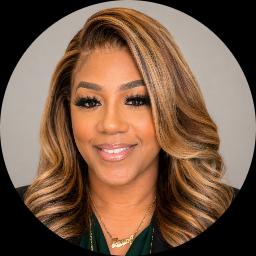
About Charnell
Charnell Benjamin-Carter is a licensed mental health counselor who aims to help people facing stress, anxiety, relationship strain, addiction, and trauma. She speaks plainly and helps clients clarify what matters most to them. Her approach mixes practical tools with conversations about values and goals.
She brings 17 years of experience and a background working with eating disorders and substance use in residential settings. Charnell earned her degree from Nova Southeastern University and completed an internship at a facility that focused on women’s eating and addiction recovery.
Background and approach
She also has advanced training in trauma-informed care and addictions. Sessions often include clear strategies from Cognitive Behavioral Therapy to change unhelpful thoughts and actions. She also uses Acceptance and Commitment Therapy and mindfulness to help people stay present and act on their values.
Emotion-focused ideas guide work on closeness and repairing hurts in relationships. Charnell pays attention to family patterns, attachment concerns, and issues like abandonment, adoption and foster care history, or blended family stress. She can help with grief, parenting pressure, caregiver strain, codependency, and intimacy-related struggles.
She also supports people coping with bipolar symptoms and major life transitions. In practice she blends practical coaching with therapeutic work aimed at steady change. Sessions may include skill-building, problem solving, and conversations that get to underlying patterns.
She works with individuals and couples to rebuild trust and move toward clearer next steps.
How her approaches translate to online therapy
Charnell often draws on Cognitive Behavioral Therapy to identify unhelpful thoughts and build new coping habits; online sessions can use worksheets, thought records, and short behavior experiments to practice between meetings. She also uses Acceptance and Commitment Therapy to help people clarify values and take small, meaningful actions toward them while learning to accept difficult feelings. Emotionally-Focused Therapy ideas guide work on improving connection and resolving attachment wounds in relationships.Choosing the right approach is a shared process. She will discuss goals, preferences, and what feels most useful, then try methods that fit the situation. Progress is tracked together and methods are adjusted based on what helps most.
Online formats include video calls, phone sessions, live chat, and text-based messaging. Video sessions let people work face-to-face and use visual cues. Phone meetings are useful when bandwidth is limited or a shorter check-in is needed. Text and chat options let clients share thoughts between sessions and get ongoing support while fitting therapy into busy schedules.
Frequently asked questions
What concerns does she help people with?
What style of therapy can I expect?
How much clinical experience does she have?
What credentials and where is she located?
Are sessions offered in other languages or internationally?
What session formats are available?
How are costs handled?
How do I begin working with her?
Specialties and expertise
Top specialties
- Stress, Anxiety
- Addictions
- Relationship issues
Also works with
- Abandonment
- ADHD
- Adoption and foster care
- Anger management
- Attachment issues
- Autism and Asperger Syndrome
- Avoidant personality
- Bipolar disorder
- Blended family issues
- Body image
- Career difficulties
- Caregiver issues and stress
- Coaching
- Codependency
- Commitment issues
- Communication problems
- Compassion fatigue
- Control issues
- Coping with life changes
- Dependent personality
- Depression
- Divorce and separation
- Domestic violence
- Drug and alcohol addiction
- Eating and food-related issues
- Eating disorders
- Emptiness
- Family conflicts
- Family problems
- Fatherhood issues
- Forgiveness
- Grief
- Guilt and shame
- Hoarding
- Impulsivity
- Infidelity
- Intellectual disability
- Intimacy-related issues
- Isolation / loneliness
- Jealousy
- Life purpose
- Midlife crisis
- Money and financial issues
- Mood disorders
- Narcissism
- Obsessions, compulsions, and OCD
- Panic disorder and panic attacks
- Parenting issues
- Personality disorders
- Post-traumatic stress
- Postpartum depression
- Pregnancy and childbirth
- Process addiction (porn, exercise, gambling)
- Self esteem
- Self-harm
- Self-love
- Smoking / vaping cessation
- Social anxiety and phobia
- Trauma and abuse
- Veteran and Armed Forces Issues
- Women's issues
- Workplace issues
- Young adult issues
Therapeutic approaches
- Experience
- 17 years
- Licensed
- Florida
- Languages
- English