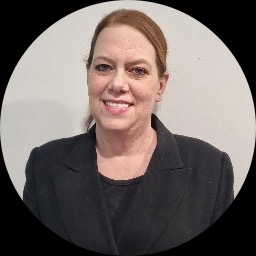
About Brenda
Brenda Wilson is a Licensed Mental Health Counselor (LMHC) practicing in Washington with two decades of clinical experience. She focuses on helping people who are dealing with mood disorders, addiction, stress, and relationship and family concerns. Her approach centers on practical steps people can use right away rather than long lists of technical terms.
Brenda draws on years of work across inpatient and outpatient settings. She helps people talk through symptoms of depression, bipolar mood swings, anxiety, and grief.
Background and approach
She also supports those facing addiction, eating or sleeping struggles, parenting strain, and changes at work or in relationships. Sessions are collaborative and goal-focused. Brenda listens first, then helps shape a plan that matches each person's situation and priorities.
Plans often include coping skills, communication strategies, and ways to manage strong emotions. She pays attention to how past experiences influence present reactions, including issues tied to adoption, attachment, abandonment, or blended family stress. Brenda also addresses chronic illness, fertility-related stress, and co-occurring concerns like substance use alongside mood symptoms.
Many people appreciate her straightforward style and steady support while they build new routines. She encourages small, sustainable changes and checks progress over time. Her practice aims to make therapy understandable and useful for everyday life.
How evidence-based approaches meet online therapy
Brenda commonly uses evidence-based techniques that focus on skills people can practice between sessions. One approach emphasizes building concrete coping skills for anxiety, depression, and stress - breathing and grounding strategies, activity planning, and step-by-step behavior changes that reduce overwhelm. Another approach attends to patterns in relationships and attachment, helping people notice how past losses or abandonment shape current reactions and teaching different ways to connect and set boundaries. Choosing the right approach is a collaborative process. The therapist will talk about what matters most to the client, try methods that fit their goals, and adjust plans based on what works. Clients and the therapist work together to set clear goals and measure progress. Online therapy offers practical flexibility for people with busy schedules or mobility limits. Video calls let conversations feel close to an in-person visit, while phone sessions can be easier when bandwidth is limited or when someone prefers not to use video. Live chat or text-based messaging work well for brief check-ins, coaching-style guidance, or when a quick strategy is needed between longer sessions. These options make it easier to keep therapy consistent and fit it into everyday life.Frequently asked questions
What kinds of problems does Brenda help with?
What is her therapeutic style like?
How much clinical experience does she have?
What credentials and region apply?
Can I work with her if I live outside the United States?
What session formats are available?
How does payment work and what does it cost?
How do I begin a therapy relationship?
Specialties and expertise
Top specialties
- Addictions
- Bipolar disorder
- Depression
Also works with
- Abandonment
- ADHD
- Adoption and foster care
- Anger management
- Attachment issues
- Blended family issues
- Career difficulties
- Chronic pain, illness, and disability
- Co-morbidity
- Coaching
- Codependency
- Commitment issues
- Compassion fatigue
- Control issues
- Coping with life changes
- Disruptive Mood Dysregulation Disorder (DMDD)
- Domestic violence
- Drug and alcohol addiction
- Eating disorders
- Emptiness
- Family conflicts
- Family problems
- Fertility issues
- Forgiveness
- Grief
- Guilt and shame
- Hoarding
- Impulsivity
- Infidelity
- Intimacy-related issues
- Isolation / loneliness
- Jealousy
- Life purpose
- Midlife crisis
- Money and financial issues
- Mood disorders
- Obsessions, compulsions, and OCD
- Panic disorder and panic attacks
- Paranoia
- Parenting issues
- Phobias
- Polyamory / non-monogamous relationships
- Post-traumatic stress
- Postpartum depression
- Process addiction (porn, exercise, gambling)
- Relationship issues
- Seasonal Affective Disorder (SAD)
- Self esteem
- Self-harm
- Self-love
- Sex addiction
- Sexual assault and abuse
- Sexuality
- Sleeping disorders
- Social anxiety and phobia
- Stress, Anxiety
- Trauma and abuse
- Veteran and Armed Forces Issues
- Women's issues
- Workplace issues
- Young adult issues
- Experience
- 20 years
- Licensed
- Washington
- Languages
- English