
Dr. Daniella Jackson, LMHC
Florida · 20 yrs in practice · 2 languages
Works with Stress, Anxiety / Addictions / Relationship +17
Works by Acceptance and Commitment Therapy (ACT) / Attachment-Based Therapy
Read profileTherapist listings come from BetterHelp. We will earn a commission if you sign up through a link on this page, at no extra cost to you, and it does not change the order of the listings.
This page lists therapists who focus on family-related concerns, including relationship dynamics, parenting challenges, and changes in blended households. Browse the listings below to explore clinicians' focus areas, therapeutic approaches, credentials, and languages.
Florida · 20 yrs in practice · 2 languages
Works with Stress, Anxiety / Addictions / Relationship +17
Works by Acceptance and Commitment Therapy (ACT) / Attachment-Based Therapy
Read profile
New York · 13 yrs in practice
Works with Relationship / Trauma and abuse / Grief +10
Works by Client-Centered Therapy / Cognitive Behavioral Therapy (CBT)
Read profile
Florida · 25 yrs in practice · 2 languages
Works with Relationship / Trauma and abuse / Grief +13
Works by Client-Centered Therapy / Eye Movement Desensitization and Reprocessing (EMDR)
Read profile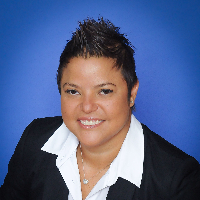
Florida · 21 yrs in practice
Works with Stress, Anxiety / Addictions / LGBT +10
Works by Acceptance and Commitment Therapy (ACT) / Client-Centered Therapy
Read profile
Florida · 23 yrs in practice
Works with Stress, Anxiety / Addictions / Self esteem +11
Works by Client-Centered Therapy / Cognitive Behavioral Therapy (CBT)
Read profile
New York · 5 yrs in practice · 2 languages
Works with Stress, Anxiety / LGBT / Trauma and abuse +13
Works by Acceptance and Commitment Therapy (ACT) / Attachment-Based Therapy
Read profile
Pennsylvania · 12 yrs in practice
Works with Stress, Anxiety / Relationship / Self esteem +12
Works by Client-Centered Therapy / Cognitive Behavioral Therapy (CBT)
Read profile
New York · 11 yrs in practice
Works with Stress, Anxiety / Grief / Self esteem +9
Works by Acceptance and Commitment Therapy (ACT) / Attachment-Based Therapy
Read profile
New York · 9 yrs in practice
Works with Stress, Anxiety / Anger / Self esteem +14
Works by Acceptance and Commitment Therapy (ACT) / Client-Centered Therapy
Read profile
Florida · 26 yrs in practice
Works with Stress, Anxiety / Relationship / Anger +14
Works by Client-Centered Therapy / Cognitive Behavioral Therapy (CBT)
Read profile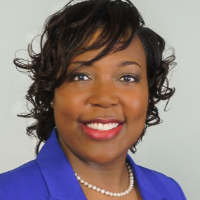
Florida · 10 yrs in practice
Works with Relationship / Family / Self esteem +5
Works by Client-Centered Therapy / Cognitive Behavioral Therapy (CBT)
Read profile
Florida · 13 yrs in practice
Works with Stress, Anxiety / Anger / Depression +14
Works by Cognitive Behavioral Therapy (CBT) / Dialectical Behavior Therapy (DBT)
Read profile
Florida · 3 yrs in practice
Works with Stress, Anxiety / Family / Trauma and abuse +16
Read profile
Florida · 30 yrs in practice
Works with Stress, Anxiety / Trauma and abuse / Bipolar +17
Works by Client-Centered Therapy / Cognitive Behavioral Therapy (CBT)
Read profile
Florida · 18 yrs in practice
Works with Stress, Anxiety / Relationship / Grief +13
Works by Client-Centered Therapy / Cognitive Behavioral Therapy (CBT)
Read profile
Florida · 30 yrs in practice
Works with Stress, Anxiety / Relationship / Trauma and abuse +15
Works by Acceptance and Commitment Therapy (ACT) / Client-Centered Therapy
Read profile
Florida · 15 yrs in practice
Works with Stress, Anxiety / Addictions / Trauma and abuse +15
Works by Acceptance and Commitment Therapy (ACT) / Client-Centered Therapy
Read profile
Pennsylvania · 10 yrs in practice
Works with Stress, Anxiety / Relationship / Grief +9
Works by Cognitive Behavioral Therapy (CBT) / Dialectical Behavior Therapy (DBT)
Read profile
Massachusetts · 25 yrs in practice
Works with Stress, Anxiety / Relationship / Family +15
Works by Attachment-Based Therapy / Client-Centered Therapy
Read profile
New Jersey · 20 yrs in practice
Works with Stress, Anxiety / Addictions / Parenting +8
Works by Client-Centered Therapy / Cognitive Behavioral Therapy (CBT)
Read profile
Indiana · 8 yrs in practice
Works with Stress, Anxiety / Addictions / Family +16
Works by Acceptance and Commitment Therapy (ACT) / Attachment-Based Therapy
Read profile
Florida · 20 yrs in practice
Works with Addictions / Relationship / Trauma and abuse +15
Works by Acceptance and Commitment Therapy (ACT) / Attachment-Based Therapy
Read profile
Florida · 17 yrs in practice
Works with Stress, Anxiety / Trauma and abuse / Eating +15
Works by Acceptance and Commitment Therapy (ACT) / Client-Centered Therapy
Read profile
Florida · 19 yrs in practice
Works with Stress, Anxiety / Family / Grief +13
Works by Acceptance and Commitment Therapy (ACT) / Client-Centered Therapy
Read profile
Florida · 20 yrs in practice
Works with Stress, Anxiety / Grief / Self esteem +10
Works by Client-Centered Therapy / Cognitive Behavioral Therapy (CBT)
Read profile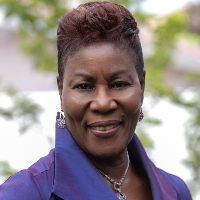
Florida · 21 yrs in practice
Works with Addictions / Relationship / Family +3
Works by Client-Centered Therapy / Cognitive Behavioral Therapy (CBT)
Read profile
New York · 6 yrs in practice
Works with Stress, Anxiety / Parenting / Anger +13
Works by Client-Centered Therapy / Cognitive Behavioral Therapy (CBT)
Read profile
Florida · 24 yrs in practice
Works with Stress, Anxiety / Addictions / Grief +15
Works by Acceptance and Commitment Therapy (ACT) / Client-Centered Therapy
Read profile
New York · 36 yrs in practice
Works with Stress, Anxiety / Family / Parenting +8
Works by Client-Centered Therapy / Cognitive Behavioral Therapy (CBT)
Read profile
Florida · 12 yrs in practice
Works with Stress, Anxiety / Addictions / Parenting +9
Works by Client-Centered Therapy / Cognitive Behavioral Therapy (CBT)
Read profile
Florida · 16 yrs in practice
Works with Stress, Anxiety / Trauma and abuse / Self esteem +7
Works by Attachment-Based Therapy / Client-Centered Therapy
Read profile
Florida · 13 yrs in practice
Works with Stress, Anxiety / Self esteem / Depression +8
Works by Acceptance and Commitment Therapy (ACT) / Client-Centered Therapy
Read profile
New York · 13 yrs in practice
Works with Stress, Anxiety / Self esteem / Depression +9
Works by Client-Centered Therapy / Cognitive Behavioral Therapy (CBT)
Read profile
Florida · 8 yrs in practice · 4 languages
Works with Stress, Anxiety / Relationship / Family +10
Works by Client-Centered Therapy / Cognitive Behavioral Therapy (CBT)
Read profile
New Jersey · 10 yrs in practice
Works with Stress, Anxiety / Relationship / Family +5
Works by Attachment-Based Therapy / Client-Centered Therapy
Read profile
Florida · 25 yrs in practice
Works with Stress, Anxiety / Relationship / Trauma and abuse +3
Works by Cognitive Behavioral Therapy (CBT) / Dialectical Behavior Therapy (DBT)
Read profile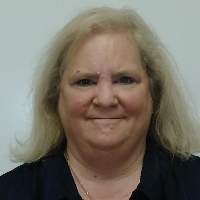
Florida · 17 yrs in practice
Works with Stress, Anxiety / Addictions / LGBT +12
Works by Client-Centered Therapy / Cognitive Behavioral Therapy (CBT)
Read profile
Indiana · 11 yrs in practice
Works with Stress, Anxiety / Addictions / Trauma and abuse +15
Works by Client-Centered Therapy / Cognitive Behavioral Therapy (CBT)
Read profile
Florida · 28 yrs in practice
Works with Stress, Anxiety / Addictions / Relationship +15
Read profile
Florida · 13 yrs in practice
Works with Stress, Anxiety / Depression / Addictions +7
Read profile
Florida · 24 yrs in practice
Works with Stress, Anxiety / Career / Depression +13
Works by Cognitive Behavioral Therapy (CBT)
Read profile
Florida · 35 yrs in practice
Works with Stress, Anxiety / Family / Grief +17
Works by Attachment-Based Therapy / Client-Centered Therapy
Read profile
New York · 30 yrs in practice
Works with Stress, Anxiety / Relationship / Family +2
Read profile
New Jersey · 9 yrs in practice
Works with Stress, Anxiety / Addictions / Self esteem +16
Works by Client-Centered Therapy / Cognitive Behavioral Therapy (CBT)
Read profile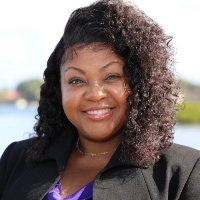
Florida · 9 yrs in practice
Works with Stress, Anxiety / Family / Parenting +12
Works by Client-Centered Therapy / Cognitive Behavioral Therapy (CBT)
Read profile
Florida · 9 yrs in practice
Works with Stress, Anxiety / Addictions / Self esteem +10
Works by Client-Centered Therapy / Cognitive Behavioral Therapy (CBT)
Read profile
New York · 21 yrs in practice
Works with Stress, Anxiety / Addictions / Depression +11
Read profile
New York · 20 yrs in practice · 3 languages
Works with Stress, Anxiety / Relationship / Family +16
Works by Client-Centered Therapy / Cognitive Behavioral Therapy (CBT)
Read profileFamily can mean many things - the people you grew up with, the household you live in now, or the network of relationships that shapes how you relate to others. Those ties influence your day-to-day rhythms, the ways you communicate, and the beliefs you carry about roles and responsibilities. When family relationships are strained, the impact can ripple into work, school, health, and self-esteem. You may find recurring conflicts that keep resurfacing, boundaries that feel unclear, or patterns that lead to isolation or resentment. Family challenges can be short-term - like the stress of a move or a new baby - or they can reflect longer patterns that affect generations.
Even when things are overall positive, change can create stress. Blended families, caregiving transitions, shifts in employment or housing, and cultural or intergenerational differences can create new dynamics to navigate. Therapy that focuses on family aims to help you and the people important to you identify what keeps interactions stuck, develop new ways to relate, and strengthen the routines and rituals that support connection. Approaching family difficulty with curiosity rather than blame often opens new possibilities for working together.
Deciding whether to seek support for family issues is personal, but there are common signs that therapy may be helpful. If communication frequently breaks down into criticism, avoidance, or withdrawal, relationships can erode over time. You might notice that the same arguments happen again and again without resolution, or that children and teens are acting out in ways that feel connected to family stress. Changes in behavior such as increased anxiety, sleep disruption, or school difficulties in a young person can also point to relational factors.
Other indicators include difficulty agreeing on parenting approaches, tension after a separation or new partner joining a household, and persistent role conflict around caregiving for an aging relative. If you feel isolated in decision making or if family interactions leave you feeling depleted rather than supported, therapy can provide tools and a framework to shift those patterns. Therapy is not about assigning blame - it is about creating practical ways to change interactions so everyone can function better together.
Family therapy sessions vary depending on the clinician and the goals you bring, but there are common elements you can expect. Sessions often begin with a conversation to gather context - who is involved, what each person sees as the problem, and what changes would feel meaningful. The therapist typically asks about family history and everyday routines to understand patterns of interaction. You and other family members will be invited to share views and to hear how your experiences connect.
Therapy may alternate between sessions that include multiple family members and sessions that involve individuals from the family with the clinician alone. This mixed approach can help the therapist understand different perspectives and give space for topics that are easier to raise privately. Sessions often include skill-building - practicing clearer communication, setting boundaries, and problem-solving in ways that feel respectful to everyone. Homework or experimental conversations between sessions are common, because change often happens in daily life rather than in the therapy room. Over time, you should expect to see changes in how conflicts start and resolve, and in how family members respond to one another during stress.
Family therapists draw from a range of theories to address relational dynamics. Some therapists describe systemic models that focus on patterns and roles across the family system, while others emphasize attachment perspectives that explore emotional bonds and how early experiences influence current relationships. There are also behavioral approaches that prioritize practical strategies for parenting, communication, and conflict resolution. In many profiles you will see clinicians who list cognitive-behavioral tools among their approaches as a way to change unhelpful thinking and behaviors that affect the family.
Other approaches you may encounter in listings include structural ideas that look at boundaries and organization within the household, narrative techniques that help families reframe their stories, and experiential methods that emphasize emotions and present-moment interaction. Some therapists note interventions like trauma-informed care or mindfulness-based skills among their approaches; when you see these descriptors, it means they include related ideas in their work rather than an assurance of specific certification. Therapists often tailor these approaches to the age ranges and cultural backgrounds of the families they work with, so profiles that note populations served can help you find a better match.
Online therapy expands how and where family sessions can take place. You can participate from separate locations or from the same room, depending on what works for your household and the clinician's practice. Sessions are typically scheduled for a set time and conducted over a video platform. Technology allows therapists to observe family interactions in your home environment, which can be useful for addressing routines, mealtime dynamics, and living-space boundaries. If younger children are involved, clinicians often adapt activities and the session structure to keep them engaged on screen.
When using online sessions, practical considerations can shape the experience. You will want a quiet area with minimal interruptions and a reliable internet connection. Cameras set to include more than one family member can help the therapist see interactions, but some families choose to join from different rooms when privacy or comfort makes that preferable. If a therapist lists work with families in online formats among their approaches, it indicates they regularly use virtual sessions as part of their practice. Online therapy can make scheduling easier for households with busy routines, and it can connect you with clinicians who have experience with the specific issues you face, regardless of geography.
Finding a good match matters because therapeutic rapport contributes to change. When you review profiles, focus on clinicians' stated focus areas, approaches, and populations served. Look for language that aligns with your goals - whether you are seeking help with parenting strategies, communication skills, life transitions, or healing after a loss. Credentials listed on a profile indicate the clinician's licensure type but do not alone determine fit. Many families also consider practical elements such as languages spoken and cultural perspective to ensure the clinician understands the context that shapes their interactions.
Pay attention to the way a therapist writes about family work. Do they emphasize collaborative problem solving, skills practice, or exploring underlying patterns? Does their description refer to children, teens, adults, or multigenerational work if that is relevant to you? Because therapists may note the approaches they use, you can look for those who list modalities that resonate with your preferences, remembering that listing an approach is not an assurance of specific certification. Trust your sense of whether a clinician's style and focus feel like a good fit, and be prepared to try a few consultations until you find someone who matches your needs and values.
As you browse, consider what matters most for your family's situation. If cultural competence or language compatibility is important, look for those details in profiles. If convenience matters, read whether clinicians commonly work online or in person and whether they mention experience with blended families, step-parenting, or caregiving transitions. Pay attention to how a therapist frames their goals for family work - some emphasize immediate behavior change while others focus on deeper relational patterns. Gathering a few candidates and comparing how they describe their approach can make it easier to identify someone whose perspective aligns with yours.
Choosing to pursue family therapy is a step toward changing patterns that have become tiring or unhelpful. By focusing on profiles that match your goals and values, and by understanding the common structures of family sessions, you can find a clinician whose approach fits your household. Use the listings above to explore options and to learn more about therapists who list family-focused approaches and populations they serve. Thoughtful selection increases the likelihood that the work you do together will translate into healthier interactions and more sustainable ways of relating.
Arizona
7 therapists
California
11 therapists
Connecticut
8 therapists
Florida
1340 therapists
Georgia
11 therapists
Hawaii
38 therapists
Illinois
16 therapists
Indiana
143 therapists
Iowa
57 therapists
Louisiana
6 therapists
Maryland
6 therapists
Massachusetts
133 therapists
Minnesota
6 therapists
Missouri
12 therapists
Nebraska
14 therapists
Nevada
5 therapists
New Hampshire
7 therapists
New Jersey
17 therapists
New York
517 therapists
North Carolina
11 therapists
Ohio
13 therapists
Oregon
9 therapists
Pennsylvania
14 therapists
Rhode Island
21 therapists
South Carolina
10 therapists
Texas
27 therapists
Utah
12 therapists
Virginia
10 therapists
Washington
204 therapists
Wisconsin
6 therapists