
Dr. Daniella Jackson, LMHC
Florida · 20 yrs in practice · 2 languages
Works with Stress, Anxiety / Addictions / Relationship +17
Works by Acceptance and Commitment Therapy (ACT) / Attachment-Based Therapy
Read profileTherapist listings come from BetterHelp. We will earn a commission if you sign up through a link on this page, at no extra cost to you, and it does not change the order of the listings.
Find clinician profiles focused on eating disorders, including information on therapeutic approaches, credentials, and languages. Browse the listings below to review clinician summaries and explore treatment options that may fit your needs.
Florida · 20 yrs in practice · 2 languages
Works with Stress, Anxiety / Addictions / Relationship +17
Works by Acceptance and Commitment Therapy (ACT) / Attachment-Based Therapy
Read profile
Florida · 25 yrs in practice · 2 languages
Works with Relationship / Trauma and abuse / Grief +13
Works by Client-Centered Therapy / Eye Movement Desensitization and Reprocessing (EMDR)
Read profile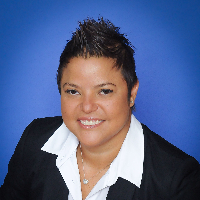
Florida · 21 yrs in practice
Works with Stress, Anxiety / Addictions / LGBT +10
Works by Acceptance and Commitment Therapy (ACT) / Client-Centered Therapy
Read profile
New York · 9 yrs in practice
Works with Stress, Anxiety / Anger / Self esteem +14
Works by Acceptance and Commitment Therapy (ACT) / Client-Centered Therapy
Read profile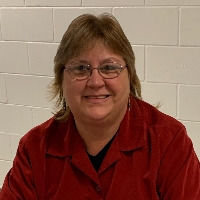
Florida · 3 yrs in practice
Works with Stress, Anxiety / Family / Trauma and abuse +16
Read profile
Florida · 30 yrs in practice
Works with Stress, Anxiety / Trauma and abuse / Bipolar +17
Works by Client-Centered Therapy / Cognitive Behavioral Therapy (CBT)
Read profile
Florida · 30 yrs in practice
Works with Stress, Anxiety / Relationship / Trauma and abuse +15
Works by Acceptance and Commitment Therapy (ACT) / Client-Centered Therapy
Read profile
Florida · 15 yrs in practice
Works with Stress, Anxiety / Addictions / Trauma and abuse +15
Works by Acceptance and Commitment Therapy (ACT) / Client-Centered Therapy
Read profile
Indiana · 8 yrs in practice
Works with Stress, Anxiety / Addictions / Family +16
Works by Acceptance and Commitment Therapy (ACT) / Attachment-Based Therapy
Read profile
Florida · 17 yrs in practice
Works with Stress, Anxiety / Trauma and abuse / Eating +15
Works by Acceptance and Commitment Therapy (ACT) / Client-Centered Therapy
Read profile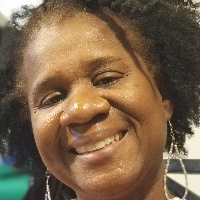
New York · 6 yrs in practice
Works with Stress, Anxiety / Parenting / Anger +13
Works by Client-Centered Therapy / Cognitive Behavioral Therapy (CBT)
Read profile
Florida · 24 yrs in practice
Works with Stress, Anxiety / Addictions / Grief +15
Works by Acceptance and Commitment Therapy (ACT) / Client-Centered Therapy
Read profile
New Jersey · 10 yrs in practice
Works with Stress, Anxiety / Relationship / Family +5
Works by Attachment-Based Therapy / Client-Centered Therapy
Read profile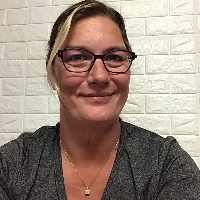
Indiana · 11 yrs in practice
Works with Stress, Anxiety / Addictions / Trauma and abuse +15
Works by Client-Centered Therapy / Cognitive Behavioral Therapy (CBT)
Read profile
Florida · 35 yrs in practice
Works with Stress, Anxiety / Family / Grief +17
Works by Attachment-Based Therapy / Client-Centered Therapy
Read profile
New Jersey · 9 yrs in practice
Works with Stress, Anxiety / Addictions / Self esteem +16
Works by Client-Centered Therapy / Cognitive Behavioral Therapy (CBT)
Read profile
New York · 21 yrs in practice
Works with Stress, Anxiety / Addictions / Depression +11
Read profile
New York · 20 yrs in practice · 3 languages
Works with Stress, Anxiety / Relationship / Family +16
Works by Client-Centered Therapy / Cognitive Behavioral Therapy (CBT)
Read profile
Massachusetts · 30 yrs in practice
Works with Addictions / Family / Trauma and abuse +17
Read profile
Washington · 50 yrs in practice
Works with Stress, Anxiety / Trauma and abuse / Intimacy-related issues +16
Works by Attachment-Based Therapy / Client-Centered Therapy
Read profile
Florida · 11 yrs in practice
Works with Stress, Anxiety / Trauma and abuse / Grief +9
Works by Acceptance and Commitment Therapy (ACT) / Attachment-Based Therapy
Read profile
Florida · 30 yrs in practice
Works with Addictions / Relationship / Family +14
Works by Cognitive Behavioral Therapy (CBT) / Solution-Focused Therapy
Read profile
Arizona · 10 yrs in practice
Works with Stress, Anxiety / Addictions / Relationship +15
Works by Acceptance and Commitment Therapy (ACT) / Attachment-Based Therapy
Read profile
Florida · 12 yrs in practice
Works with Stress, Anxiety / Trauma and abuse / Eating +1
Read profile
Rhode Island · 20 yrs in practice
Works with Stress, Anxiety / Relationship / Family +15
Works by Acceptance and Commitment Therapy (ACT) / Cognitive Behavioral Therapy (CBT)
Read profile
Florida · 8 yrs in practice
Works with Stress, Anxiety / Addictions / Trauma and abuse +15
Works by Attachment-Based Therapy / Client-Centered Therapy
Read profile
New York · 11 yrs in practice
Works with Stress, Anxiety / Family / Eating +7
Works by Cognitive Behavioral Therapy (CBT)
Read profile
Florida · 40 yrs in practice
Works with Stress, Anxiety / Addictions / Relationship +12
Works by Cognitive Behavioral Therapy (CBT) / Dialectical Behavior Therapy (DBT)
Read profile
New York · 38 yrs in practice
Works with Stress, Anxiety / Addictions / Relationship +16
Works by Acceptance and Commitment Therapy (ACT) / Attachment-Based Therapy
Read profile
Florida · 30 yrs in practice · 2 languages
Works with Stress, Anxiety / Relationship / Family +16
Works by Acceptance and Commitment Therapy (ACT) / Attachment-Based Therapy
Read profile
Washington · 10 yrs in practice
Works with Stress, Anxiety / Trauma and abuse / Self esteem +16
Works by Client-Centered Therapy / Cognitive Behavioral Therapy (CBT)
Read profile
Florida · 24 yrs in practice
Works with Stress, Anxiety / Grief / Depression +14
Works by Client-Centered Therapy / Cognitive Behavioral Therapy (CBT)
Read profile
New York · 4 yrs in practice
Works with Stress, Anxiety / Trauma and abuse / Self esteem +12
Works by Acceptance and Commitment Therapy (ACT) / Client-Centered Therapy
Read profile
New York · 10 yrs in practice
Works with Stress, Anxiety / Family / Trauma and abuse +13
Works by Attachment-Based Therapy / Client-Centered Therapy
Read profile
Florida · 24 yrs in practice
Works with Stress, Anxiety / Self esteem / Depression +13
Works by Client-Centered Therapy / Cognitive Behavioral Therapy (CBT)
Read profile
New York · 11 yrs in practice
Works with Stress, Anxiety / Relationship / Family +12
Works by Acceptance and Commitment Therapy (ACT) / Attachment-Based Therapy
Read profile
Massachusetts · 22 yrs in practice
Works with Family / Trauma and abuse / Parenting +15
Works by Cognitive Behavioral Therapy (CBT) / Dialectical Behavior Therapy (DBT)
Read profile
Florida · 17 yrs in practice
Works with Stress, Anxiety / Parenting / Self esteem +12
Works by Client-Centered Therapy / Cognitive Behavioral Therapy (CBT)
Read profile
Florida · 32 yrs in practice
Works with Stress, Anxiety / Trauma and abuse / Parenting +17
Works by Acceptance and Commitment Therapy (ACT) / Attachment-Based Therapy
Read profile
New York · 6 yrs in practice
Works with Stress, Anxiety / Family / Self esteem +17
Works by Client-Centered Therapy / Cognitive Behavioral Therapy (CBT)
Read profile
Florida · 22 yrs in practice
Works with Stress, Anxiety / Trauma and abuse / Sleeping +17
Read profile
Florida · 38 yrs in practice
Works with Relationship / Trauma and abuse / Intimacy-related issues +8
Works by Client-Centered Therapy / Cognitive Behavioral Therapy (CBT)
Read profile
Florida · 30 yrs in practice
Works with Stress, Anxiety / Relationship / Self esteem +15
Works by Client-Centered Therapy / Cognitive Behavioral Therapy (CBT)
Read profile
South Carolina · 17 yrs in practice
Works with Stress, Anxiety / Relationship / Family +14
Works by Acceptance and Commitment Therapy (ACT) / Attachment-Based Therapy
Read profile
Florida · 30 yrs in practice
Works with Stress, Anxiety / LGBT / Trauma and abuse +13
Read profile
Florida · 27 yrs in practice
Works with Addictions / Relationship / Trauma and abuse +17
Works by Client-Centered Therapy / Cognitive Behavioral Therapy (CBT)
Read profile
Florida · 6 yrs in practice
Works with Stress, Anxiety / Trauma and abuse / Grief +13
Works by Attachment-Based Therapy / Client-Centered Therapy
Read profile
Florida · 5 yrs in practice · 2 languages
Works with Stress, Anxiety / Addictions / Family +15
Works by Acceptance and Commitment Therapy (ACT) / Client-Centered Therapy
Read profileEating disorders are complex conditions that involve disturbed eating behavior and related thoughts and emotions. They often include persistent patterns around food, weight, and body image that interfere with daily life, relationships, work, or school. People experience eating disorders in many ways - for some, the challenge centers on restrictive eating and intense fear of weight gain, while for others it involves cycles of binge eating and compensatory behaviors. Symptoms can influence physical health, mood, energy, and social engagement, and their course varies by person and circumstance.
If you are trying to understand your own experience or that of a loved one, it helps to know that eating disorders do not arise from a single cause. Biological factors, cultural messages about body ideals, personal history, stress, and emotional difficulties can all play a role. Cultural background, gender identity, age, and life stage shape how symptoms show up and how people seek help. Because the condition affects multiple areas of life, care often involves both psychological and medical perspectives working together to address physical needs, emotional patterns, and behavioral goals.
You might consider seeking a therapist if eating-related thoughts or behaviors are causing distress or getting in the way of things you value. Warning signs include preoccupation with food, calories, weight, or body shape that consumes large amounts of time or energy. You may notice changes in eating patterns such as skipping meals, strict dieting, frequent binge eating episodes, or using behaviors like vomiting, laxatives, or excessive exercise to control weight. Emotional signs can include persistent anxiety around meals, mood swings, withdrawal from social activities that involve food, or a decline in concentration and motivation.
Physical indicators may also suggest the need for professional attention. Sudden or extreme changes in weight, dizziness, fainting, digestive difficulties, irregular menstrual cycles, or dental and skin changes can accompany eating disorders. Even if physical signs are not apparent, psychological impacts such as shame, secrecy, or feeling trapped by eating-related rules are important reasons to reach out. Therapy can help you explore the underlying emotions and beliefs that maintain problematic behaviors and support gradual changes toward healthier patterns.
When you start working with a therapist about an eating concern, the early sessions typically focus on building rapport and gathering a clear picture of your history and current patterns. A clinician will usually ask about your eating behaviors, emotional triggers, relationship to body and weight, medical history, and any prior treatment experiences. Together you can identify priorities for change and set realistic, measurable goals. Sessions provide a regular opportunity to address both immediate behaviors and the thoughts and feelings that drive them.
Therapy can include skills practice, meal planning support, and attention to co-occurring issues like anxiety, depression, or trauma. Some people find that involving family members or significant others helps, especially when support around meals or household routines is needed. Frequency of sessions varies by need and stage of treatment, and progress often involves a mix of in-session work and between-session practice. Many clients appreciate a compassionate, nonjudgmental approach that acknowledges how difficult change can be and helps you develop practical strategies that fit your life.
There is no single therapy method that fits everyone, and many clinicians draw from multiple approaches to meet individual needs. Cognitive behavioral strategies target unhelpful thoughts and behaviors related to food and body image, helping you identify and test assumptions while developing alternative coping skills. Dialectical behavior strategies emphasize emotion regulation, distress tolerance, mindfulness, and interpersonal effectiveness, which can be particularly useful if intense emotions trigger eating behaviors.
Family-based approaches involve caregivers in supporting regular eating patterns and are often used with adolescents, while interpersonal therapy focuses on how relationships and life transitions affect eating and mood. Some therapists list acceptance-based methods among their approaches, which encourage you to notice difficult feelings without acting on them. Other clinicians include exposure-based techniques to reduce fear of certain foods or situations. Nutrition support from a registered dietitian often complements therapy, providing practical meal planning and medical guidance. On clinician profiles you will see descriptions like therapists who list CBT, DBT, family-based therapy, or interpersonal therapy among their approaches - these listings indicate the methods the clinician uses, not formal certification.
Online therapy has become a common option for people seeking help with eating disorders. In the online format you can meet with a therapist via video, phone, or messaging from your home or another comfortable environment. Many people find that remote sessions reduce travel time and make it easier to fit care into a busy schedule. When working remotely you can still engage in the core elements of eating disorder treatment such as skills training, cognitive work, and meal planning conversations. Some clinicians also offer hybrid care models that blend online sessions with in-person visits when needed for medical monitoring or hands-on support.
Choosing the right therapist is a personal decision. Start by looking at profiles to learn about credentials, professional focus areas, and the populations a clinician mentions working with. Pay attention to approaches that appeal to you and to any mention of collaboration with medical providers or registered dietitians if you anticipate needing coordinated care. Languages spoken and cultural competence can make a meaningful difference, so note whether a clinician lists experience with the communities or identities that matter to you. Consider practical questions such as session length, typical treatment structure, and how the therapist measures progress, and plan to ask about how they handle medical referrals and crisis procedures during an initial consultation.
It is also useful to observe how a therapist discusses goals and boundaries. You want a professional who explains their approach clearly, describes what you might expect in early weeks of work, and is willing to adjust strategies as your needs change. If meal support or family involvement is likely to be part of your path, ask how the clinician integrates those elements. Finally, trust your sense of fit. The therapeutic relationship is an important factor in progress, and feeling understood, respected, and heard helps you take the difficult steps toward change.
Taking the next step may involve scheduling an initial conversation to learn more about a clinician's approach and to discuss how their practice aligns with your goals. Prepare a brief summary of your current concerns, any medical information you think is relevant, and what you hope to achieve in therapy. If you are working with medical providers already, ask how a therapist can coordinate care to support your overall wellbeing. Keep in mind that progress often unfolds gradually and that therapy can provide a structured space to practice new behaviors, process emotions, and build a life where food and body concerns feel less central.
Exploring therapist profiles and reading clinician descriptions can help you identify matches to reach out to. Use the listings below to learn more about each therapist's focus areas, approaches they list, credentials, languages, and populations they mention working with. With thoughtful selection and ongoing communication, therapy can be a useful part of a broader plan for recovery and wellbeing.
Arizona
7 therapists
California
11 therapists
Connecticut
8 therapists
Florida
1340 therapists
Georgia
11 therapists
Hawaii
38 therapists
Illinois
16 therapists
Indiana
143 therapists
Iowa
57 therapists
Louisiana
6 therapists
Maryland
6 therapists
Massachusetts
133 therapists
Minnesota
6 therapists
Missouri
12 therapists
Nebraska
14 therapists
Nevada
5 therapists
New Hampshire
7 therapists
New Jersey
17 therapists
New York
517 therapists
North Carolina
11 therapists
Ohio
13 therapists
Oregon
9 therapists
Pennsylvania
14 therapists
Rhode Island
21 therapists
South Carolina
10 therapists
Texas
27 therapists
Utah
12 therapists
Virginia
10 therapists
Washington
204 therapists
Wisconsin
6 therapists