
Suzanne Stokes, LMHC
Florida · 38 yrs in practice
Works with Stress, Anxiety / Relationship / Self esteem +13
Works by Acceptance and Commitment Therapy (ACT) / Attachment-Based Therapy
Read profileTherapist listings come from BetterHelp. We will earn a commission if you sign up through a link on this page, at no extra cost to you, and it does not change the order of the listings.
Imago Relationship Therapy is a relational approach that helps couples explore recurring patterns, unmet needs, and emotional triggers to deepen connection and understanding. Below you can browse profiles of therapists who list Imago Relationship Therapy among their approaches to learn about specialties, languages, and clinical focus.
Florida · 38 yrs in practice
Works with Stress, Anxiety / Relationship / Self esteem +13
Works by Acceptance and Commitment Therapy (ACT) / Attachment-Based Therapy
Read profile
Florida · 32 yrs in practice
Works with Stress, Anxiety / Trauma and abuse / Parenting +17
Works by Acceptance and Commitment Therapy (ACT) / Attachment-Based Therapy
Read profile
Florida · 30 yrs in practice
Works with Stress, Anxiety / Relationship / Self esteem +15
Works by Client-Centered Therapy / Cognitive Behavioral Therapy (CBT)
Read profile
New York · 23 yrs in practice · 2 languages
Works with Stress, Anxiety / Addictions / LGBT +12
Works by Acceptance and Commitment Therapy (ACT) / Attachment-Based Therapy
Read profile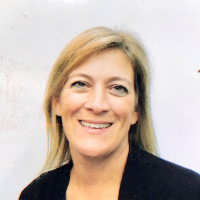
Florida · 12 yrs in practice
Works with Stress, Anxiety / Family / Self esteem +14
Works by Client-Centered Therapy / Cognitive Behavioral Therapy (CBT)
Read profile
Florida · 14 yrs in practice
Works with Stress, Anxiety / Trauma and abuse / Bipolar +17
Works by Acceptance and Commitment Therapy (ACT) / Attachment-Based Therapy
Read profile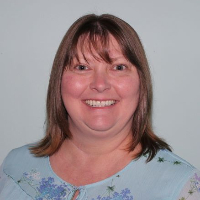
Georgia · 15 yrs in practice
Works with Stress, Anxiety / LGBT / Trauma and abuse +12
Works by Client-Centered Therapy / Cognitive Behavioral Therapy (CBT)
Read profile
Florida · 26 yrs in practice
Works with Stress, Anxiety / Addictions / Grief +13
Works by Client-Centered Therapy / Cognitive Behavioral Therapy (CBT)
Read profile
Florida · 16 yrs in practice
Works with Stress, Anxiety / Addictions / Relationship +9
Works by Acceptance and Commitment Therapy (ACT) / Attachment-Based Therapy
Read profile
Florida · 22 yrs in practice
Works with Stress, Anxiety / Relationship / Family +11
Works by Client-Centered Therapy / Cognitive Behavioral Therapy (CBT)
Read profile
Florida · 13 yrs in practice
Works with Stress, Anxiety / Relationship / Intimacy-related issues +10
Works by Client-Centered Therapy / Existential Therapy
Read profile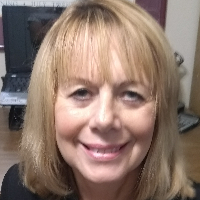
Florida · 30 yrs in practice
Works with Stress, Anxiety / Family / Grief +14
Works by Client-Centered Therapy / Cognitive Behavioral Therapy (CBT)
Read profile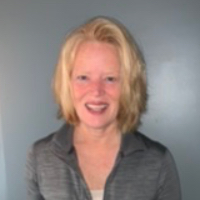
Florida · 10 yrs in practice
Works with Addictions / Family / Trauma and abuse +17
Works by Acceptance and Commitment Therapy (ACT) / Attachment-Based Therapy
Read profile
Massachusetts · 27 yrs in practice
Works with Stress, Anxiety / Relationship / Trauma and abuse +13
Works by Acceptance and Commitment Therapy (ACT) / Attachment-Based Therapy
Read profile
Florida · 25 yrs in practice
Works with Stress, Anxiety / Addictions / LGBT +15
Works by Acceptance and Commitment Therapy (ACT) / Attachment-Based Therapy
Read profile
Florida · 10 yrs in practice
Works with Stress, Anxiety / Relationship / Parenting +9
Works by Acceptance and Commitment Therapy (ACT) / Attachment-Based Therapy
Read profile
Florida · 22 yrs in practice
Works with Stress, Anxiety / Relationship / Family +11
Works by Attachment-Based Therapy / Client-Centered Therapy
Read profile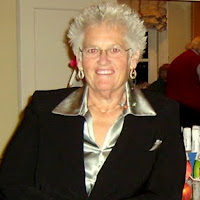
Florida · 30 yrs in practice
Works with Stress, Anxiety / Addictions / LGBT +15
Works by Acceptance and Commitment Therapy (ACT) / Client-Centered Therapy
Read profile
Florida · 12 yrs in practice
Works with Relationship / Family / Intimacy-related issues +10
Works by Acceptance and Commitment Therapy (ACT) / Attachment-Based Therapy
Read profile
Florida · 22 yrs in practice
Works with Stress, Anxiety / Relationship / Self esteem +15
Works by Acceptance and Commitment Therapy (ACT) / Client-Centered Therapy
Read profile
Florida · 10 yrs in practice
Works with Stress, Anxiety / Addictions / Relationship +15
Works by Acceptance and Commitment Therapy (ACT) / Attachment-Based Therapy
Read profile
Florida · 25 yrs in practice
Works with Stress, Anxiety / Addictions / Relationship +14
Works by Client-Centered Therapy / Cognitive Behavioral Therapy (CBT)
Read profile
Florida · 13 yrs in practice · 2 languages
Works with Stress, Anxiety / Trauma and abuse / Parenting +12
Works by Acceptance and Commitment Therapy (ACT) / Attachment-Based Therapy
Read profile
Florida · 42 yrs in practice
Works with Stress, Anxiety / Relationship / Trauma and abuse +2
Works by Acceptance and Commitment Therapy (ACT) / Client-Centered Therapy
Read profile
Tennessee · 10 yrs in practice
Works with Stress, Anxiety / LGBT / Relationship +10
Works by Acceptance and Commitment Therapy (ACT) / Client-Centered Therapy
Read profile
Florida · 10 yrs in practice
Works with Stress, Anxiety / Relationship / Intimacy-related issues +9
Works by Acceptance and Commitment Therapy (ACT) / Attachment-Based Therapy
Read profile
Florida · 7 yrs in practice
Works with LGBT / Relationship / Intimacy-related issues +10
Works by Acceptance and Commitment Therapy (ACT) / Client-Centered Therapy
Read profile
Florida · 20 yrs in practice
Works with Relationship / Family / Trauma and abuse +14
Works by Client-Centered Therapy / Cognitive Behavioral Therapy (CBT)
Read profile
Iowa · 10 yrs in practice
Works with Stress, Anxiety / Trauma and abuse / Self esteem +17
Works by Client-Centered Therapy / Cognitive Behavioral Therapy (CBT)
Read profile
Florida · 5 yrs in practice
Works with Stress, Anxiety / Relationship / Trauma and abuse +10
Works by Attachment-Based Therapy / Client-Centered Therapy
Read profile
Florida · 9 yrs in practice
Works with Stress, Anxiety / LGBT / Relationship +17
Works by Acceptance and Commitment Therapy (ACT) / Client-Centered Therapy
Read profile
Florida · 11 yrs in practice
Works with Stress, Anxiety / Relationship / Family +5
Works by Acceptance and Commitment Therapy (ACT) / Client-Centered Therapy
Read profile
Florida · 20 yrs in practice
Works with Addictions / Relationship / Trauma and abuse +10
Works by Client-Centered Therapy / Cognitive Behavioral Therapy (CBT)
Read profile
Florida · 15 yrs in practice
Works with Stress, Anxiety / Relationship / Intimacy-related issues +7
Works by Acceptance and Commitment Therapy (ACT) / Attachment-Based Therapy
Read profile
Nebraska · 3 yrs in practice
Works with Stress, Anxiety / Relationship / Intimacy-related issues +17
Works by Client-Centered Therapy / Cognitive Behavioral Therapy (CBT)
Read profile
Florida · 17 yrs in practice
Works with Stress, Anxiety / Addictions / Relationship +15
Works by Acceptance and Commitment Therapy (ACT) / Attachment-Based Therapy
Read profile
Florida · 27 yrs in practice
Works with Stress, Anxiety / Relationship / Grief +8
Works by Acceptance and Commitment Therapy (ACT) / Cognitive Behavioral Therapy (CBT)
Read profile
Florida · 22 yrs in practice
Works with Stress, Anxiety / Relationship / Self esteem +2
Works by Attachment-Based Therapy / Client-Centered Therapy
Read profile
Florida · 6 yrs in practice
Works with Stress, Anxiety / Relationship / Grief +2
Works by Acceptance and Commitment Therapy (ACT) / Attachment-Based Therapy
Read profile
Florida · 6 yrs in practice
Works with Stress, Anxiety / Addictions / Relationship +17
Works by Acceptance and Commitment Therapy (ACT) / Client-Centered Therapy
Read profile
Florida · 25 yrs in practice
Works with Stress, Anxiety / Addictions / Self esteem +14
Works by Acceptance and Commitment Therapy (ACT) / Attachment-Based Therapy
Read profile
Washington · 18 yrs in practice
Works with Stress, Anxiety / Relationship / Trauma and abuse +2
Works by Acceptance and Commitment Therapy (ACT) / Attachment-Based Therapy
Read profileImago Relationship Therapy grew from the idea that romantic partners often reenact early relational experiences in ways that can feel automatic and confusing. In this approach you are invited to look at relationship struggles not as isolated failures but as signals about unmet needs and familiar wounds. The work centers on increasing empathy, recovering lost connection, and transforming reactive patterns into conversations that lead to mutual understanding. Instead of assigning blame, the method encourages partners to view conflict as an opportunity to reveal important emotional material and to practice new ways of relating.
Several guiding principles shape the Imago process. You and your partner are encouraged to slow down during conflict so both perspectives can be heard. The therapist often helps you translate reactive responses into deeper longings and fears, making emotional material more accessible and less threatening. Structured dialogues and mirrored communication exercises are used to build empathy and to create a different experience of closeness. Over time, the goal is for couples to develop new relational habits that replace long-standing patterns of disconnection.
If you find that arguments follow the same script or that attempts to talk end in frustration, Imago work focuses on those repetitive patterns. Many couples seek this approach when communication has become stalled or when small disagreements escalate quickly. The therapy helps you identify the triggers that drive reactivity and provides tools to slow down and listen in ways that change the dynamic.
Imago Relationship Therapy is often chosen by couples who want to deepen intimacy after significant life transitions such as parenting, career changes, relocation, or health events. It also offers a framework for addressing trust issues, lingering resentment, and the emotional fallout of infidelity or betrayal. While it is frequently used with couples, the approach can also be adapted for partners, adult family relationships, and individuals who want to work on how past relational dynamics affect present connections.
Sessions typically follow a predictable structure that emphasizes safety and dialogue. You and your partner may begin with a brief check-in about recent interactions, followed by a focus on one specific interaction or theme. The therapist often guides you through a structured conversation, encouraging one person to speak while the other listens and then reflects back what was heard. This patterned exchange helps reduce escalation and provides a clear container for potentially charged material.
Central techniques include mirroring, validating, and empathic listening. In mirroring you repeat or paraphrase what your partner has said so they feel understood. Validation involves acknowledging the emotional experience without agreeing or disagreeing with the content. Empathic exploration invites you to name underlying feelings and childhood longings that may be driving present behavior. Homework between sessions often involves practicing these dialogues at home, paying attention to moments of reactivity, and trying small experiments to apply new communication habits.
Unlike approaches that center primarily on symptoms or individual behavior, Imago puts the relational field at the center. While you may address anxiety, depression, or stress as they affect the partnership, Imago’s primary lens is how both partners interact and how their histories intersect. The method is less about symptom reduction in isolation and more about transforming the patterns that maintain distress in the relationship.
Many therapies emphasize insight or cognitive change, whereas Imago combines insight with concrete dialogue practices and experiential exercises. You are not only invited to understand where patterns come from but also to practice different ways of relating in real time with your partner. The emphasis on a repeatable, therapist-guided dialogue differentiates Imago from less structured models and from therapies that focus mainly on individual processing.
If you are motivated to work on connection and willing to examine how your own history influences your interactions, you may find Imago’s relational frame useful. The approach tends to suit couples who want tools to manage reactivity, improve communication, and build empathic habits. It can also be helpful if you are navigating transitions or want to deepen emotional intimacy. Imago requires active participation from both partners for the dialogue work to be most effective, so thinking about your readiness to engage in that kind of process is an important first step.
When you search for a therapist on this site, look for profiles that mention Imago Relationship Therapy among the approaches they use. Review each profile to learn about a therapist’s education, clinical focus, languages, and years of experience so you can match your needs with their background. Pay attention to whether they describe working with couples, relationship transitions, or specific concerns that matter to you. If profiles include session formats - such as in-person or teletherapy - consider which setting helps you engage most fully.
Before contacting a therapist, it can help to identify what you most want to change in your relationship and to think about what style of therapist you respond to - whether more hands-on and directive or more reflective and exploratory. You might also note any practical preferences such as language or experience with particular life-stage issues. Reaching out to a few professionals whose profiles resonate can give you a sense of tone and fit. When you review therapist information, focus on comparing focus areas, stated approaches, credentials, languages, and relevant experience to make a choice that feels aligned with your goals.
Starting Imago-oriented work tends to involve learning new communication tools and practicing them both in session and at home. Progress often comes in small shifts - a different reaction in a familiar argument, a moment of curiosity where there used to be defensiveness, or renewed interest in each other’s inner life. Because the approach invites you to study long-standing patterns, it is as much about developing new habits as it is about gaining insight.
If the relational focus and structured dialogue of Imago Relationship Therapy appeal to you, use the directory below to review therapists who list this approach among their methods. Compare profiles to find clinicians whose focus areas, experience, and communication style align with what you are seeking. Taking that first step to explore profiles and read therapist descriptions can help you find a match that supports the kind of change you want in your relationship.
Arizona
7 therapists
California
11 therapists
Connecticut
8 therapists
Florida
1340 therapists
Georgia
11 therapists
Hawaii
38 therapists
Illinois
16 therapists
Indiana
143 therapists
Iowa
57 therapists
Louisiana
6 therapists
Maryland
6 therapists
Massachusetts
133 therapists
Minnesota
6 therapists
Missouri
12 therapists
Nebraska
14 therapists
Nevada
5 therapists
New Hampshire
7 therapists
New Jersey
17 therapists
New York
517 therapists
North Carolina
11 therapists
Ohio
13 therapists
Oregon
9 therapists
Pennsylvania
14 therapists
Rhode Island
21 therapists
South Carolina
10 therapists
Texas
27 therapists
Utah
12 therapists
Virginia
10 therapists
Washington
204 therapists
Wisconsin
6 therapists