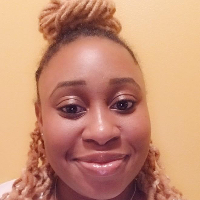
About Shanel
Shanel Manning is a Licensed Mental Health Counselor who helps people struggling with stress, anxiety, depression, self-esteem, and parenting concerns. She speaks plainly and focuses on practical steps parents and individuals can try right away. Her style aims to make therapy feel manageable when life feels overwhelming.
She draws on ten years of experience and uses straightforward methods that people can understand. Sessions emphasize clear goals and tools that fit daily life.
Background and approach
Shanel works with trauma, mood disorders, addiction concerns, relationship and intimacy challenges, and issues related to pregnancy and postpartum adjustment. Her approach centers on the person in front of her. She uses client-centered listening to learn what matters most and then blends techniques from Acceptance and Commitment Therapy and Cognitive Behavioral Therapy to address thoughts and behaviors.
Trauma-focused work and solution-focused strategies are added when the situation calls for them. In sessions she helps clients identify small steps that reduce anxiety and build confidence. Parents receive concrete strategies for managing behavior and coping with caregiver stress.
People dealing with grief, shame, or guilt are guided toward practical actions that ease daily functioning. Shanel received her training at Nova Southeastern University and maintains a practice in Florida as an LMHC - Licensed Mental Health Counselor. She offers work that aims to be caring, direct, and goal-oriented so clients can track progress between sessions.
Approaches that guide online sessions
Shanel uses Acceptance and Commitment Therapy to help people notice unhelpful thoughts and commit to actions that match their values. ACT can be useful for anxiety, stress, and life changes where moving toward meaningful goals matters more than eliminating every worried thought.She also applies Cognitive Behavioral Therapy to identify and change patterns of thought and behavior that keep problems going. CBT is practical for depression, panic, mood disorders, and managing day-to-day symptoms with clear exercises and homework.
Finding the right approach is part of the work. The therapist will talk with the client about goals, preferences, and what has or hasn’t helped before. Together they decide which methods to try and adjust the plan over time based on what works for the person.
Online therapy makes sessions more flexible. Video calls let visual cues guide the conversation while phone sessions are useful when bandwidth is limited. Live chat and text-based messaging offer short check-ins, quick skill practice, or ongoing support between longer sessions. These options allow people to fit therapy into busy schedules and pick the format that matches their day-to-day needs.
Frequently asked questions
What kinds of concerns does she address?
What is her overall therapy style?
How much experience does she have?
What credentials and location are listed?
Which languages are supported and are international clients accepted?
In what session formats can I meet with her?
How does payment and cost work?
What are the steps to begin working together?
Specialties and expertise
Top specialties
- Stress, Anxiety
- Family conflicts
- Parenting issues
Also works with
- Addictions
- Anger management
- Attachment issues
- Bipolar disorder
- Blended family issues
- Career difficulties
- Caregiver issues and stress
- Communication problems
- Control issues
- Coping with life changes
- Depression
- Disruptive Mood Dysregulation Disorder (DMDD)
- Family problems
- Forgiveness
- Guilt and shame
- Intimacy-related issues
- Jealousy
- LGBT
- Life purpose
- Mood disorders
- Panic disorder and panic attacks
- Postpartum depression
- Pregnancy and childbirth
- Relationship issues
- Self esteem
- Self-harm
- Self-love
- Social anxiety and phobia
- Trauma and abuse
- Women's issues
- Workplace issues
- Young adult issues
Therapeutic approaches
- Experience
- 10 years
- Licensed
- Florida
- Languages
- English