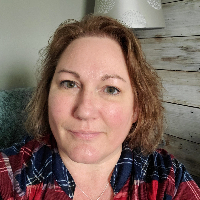
About Amy
Amy Roth is a Licensed Professional Counselor-Mental Health and a Licensed Mental Health Counselor based in South Dakota. She works with people age 15 and up and focuses on whatever a person is struggling with in the moment. Sessions are shaped around each person's goals and needs rather than a fixed formula.
She has practiced counseling for 15 years and earned a master’s degree in Counseling and Human Resource Development from South Dakota State University.
Background and approach
That experience includes work with trauma, attachment concerns, mood disorders, anxiety, and depression. She draws on what has helped others while keeping the plan tailored to the individual. In sessions she listens for what matters most to the client and then helps set clear, practical goals.
Conversations include learning skills for managing strong emotions and trying new ways of handling everyday problems. She uses straightforward techniques to reduce panic, lift mood, and improve relationships. Therapy can happen by video call, phone, live chat, or text-based messaging.
The format is chosen to fit the person’s schedule and comfort, and can change as needs shift. Amy emphasizes a collaborative approach where the client’s priorities guide the work. Her background and approach aim to make therapy useful and manageable.
The focus stays on small, achievable steps that lead to better coping, clearer thinking, and greater self-understanding.
How her approaches translate to online work
Attachment-Based Therapy focuses on relationship patterns and how early bonds affect current feelings and connections; it helps people understand why they react strongly in close relationships. Cognitive Behavioral Therapy (CBT) looks at thoughts and behaviors that keep problems going and teaches practical skills to change them, which is useful for anxiety, panic, and mood concerns. Mindfulness Therapy involves learning simple attention and breathing practices to reduce reactivity and manage intense emotions. Finding the right approach is part of the therapy process. She will work together with each person to choose methods that match their goals, needs, and comfort level. That may mean trying a few techniques and adjusting the plan as progress is made. Online formats include video calls, phone sessions, live chat, and text-based messaging. Video lets people use visual cues and longer sessions for skill work. Phone can work well when bandwidth is limited or for a shorter check-in. Live chat and text messaging make it easier to fit therapy into a busy day or to get frequent, brief support between longer sessions. These options aim to make attending sessions more flexible and easier to maintain over time.Frequently asked questions
What concerns does Amy commonly help with?
What is her approach to therapy?
How much experience does she have?
What credentials and location are listed?
Which languages are supported for sessions?
What session formats are available?
How is cost handled for sessions?
How do I begin working with her?
Specialties and expertise
Top specialties
Also works with
- Abandonment
- Attachment issues
- Bipolar disorder
- Communication problems
- Compassion fatigue
- Coping with life changes
- Emptiness
- Family conflicts
- Family of origin issues
- Family problems
- Gender dysphoria
- Grief
- Impulsivity
- LGBT
- Life purpose
- Mood disorders
- Panic disorder and panic attacks
- Parenting issues
- Personality disorders
- Post-traumatic stress
- Relationship issues
- Self esteem
- Self-love
- Social anxiety and phobia
- Women's issues
- Workplace issues
- Young adult issues
Therapeutic approaches
- Experience
- 15 years
- Licensed
- South Dakota, Washington
- Languages
- English