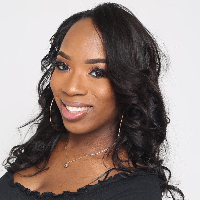
About Sharee
Sharee Gunner is a Licensed Mental Health Counselor in New York with 13 years of experience. She brings a practical, down-to-earth approach and focuses on helping people find clearer ways to manage stress, mood, and relationships. She aims to make sessions straightforward and respectful.
Sharee listens first, then uses tools that fit each person's situation. Her style is warm and client-centered, and she encourages people to take the lead when that feels right.
Background and approach
Sharee has worked in a mental health clinic setting where she completed evaluations, treatment planning, and both individual and group counseling. Her background includes supporting people dealing with anxiety, depression, bipolar disorder, ADHD, mood disorders, and trauma-related concerns. She also helps with parenting concerns, family problems, relationship struggles, grief, addiction-related issues, and challenges like obsessive or impulsive behaviors.
Sharee draws on a mix of methods - including cognitive-behavioral and dialectical skills - to build coping strategies and practical plans. Sessions are offered in English and scheduled around the therapist's availability in New York. Sharee emphasizes cultural respect and adjusts her approach to fit each person's needs.
She aims to guide people toward clearer communication, better emotion regulation, and more reliable routines.
How attachment work and skills-based therapy translate online
Attachment-Based Therapy focuses on how early bonds shape current relationships and emotional responses; it helps people notice patterns in how they connect and respond to others. Client-Centered Therapy centers the person's experience and priorities, providing a supportive space where the therapist follows the client’s lead and reflects their concerns.Cognitive Behavioral Therapy (CBT) helps identify unhelpful thoughts and build different habits through small experiments and practical exercises. CBT is often used for anxiety, depression, panic, and compulsive behaviors and works well in short, targeted sessions.
Finding the right mix of approaches is part of the work. The therapist will discuss goals and preferences, then try techniques that fit the person's needs. That collaborative process means methods can shift as progress is made or as new challenges appear.
Online sessions offer flexibility through video calls, phone sessions, live chat, or text-based messaging. Video is useful for deeper conversational work and skill practice, phone works well when bandwidth is limited or for a quick check-in, and chat or text can support brief updates, reminders, or when typing feels easier. These options help people fit therapy into busy days and keep regular contact between sessions.
Frequently asked questions
What concerns does she help with?
What is her therapeutic style like?
How much experience does she have?
Where is she licensed and located?
Which languages are supported?
What session formats are available?
How does pricing and payment work?
How do I begin therapy with her?
Specialties and expertise
Top specialties
- Stress, Anxiety
- Family conflicts
- Parenting issues
Also works with
- Addictions
- ADHD
- Anger management
- Attachment issues
- Autism and Asperger Syndrome
- Bipolar disorder
- Career difficulties
- Coaching
- Communication problems
- Compassion fatigue
- Control issues
- Coping with life changes
- Depression
- Eating disorders
- Family problems
- Grief
- Impulsivity
- Intimacy-related issues
- Isolation / loneliness
- LGBT
- Mood disorders
- Obsessions, compulsions, and OCD
- Panic disorder and panic attacks
- Personality disorders
- Post-traumatic stress
- Relationship issues
- Self esteem
- Self-harm
- Sexual assault and abuse
- Sleeping disorders
- Social anxiety and phobia
- Trauma and abuse
- Women's issues
- Young adult issues
Therapeutic approaches
- Experience
- 13 years
- Licensed
- New York
- Languages
- English