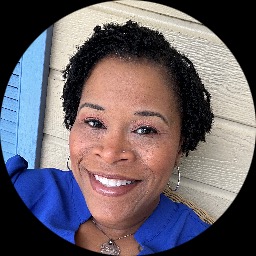
About Shakita
Shakita Stewart is a Florida-licensed mental health counselor with 18 years of experience helping people navigate stress, anxiety, and trauma. She practices as an LMHC and focuses on practical support that fits daily life. Her approach is compassionate and direct, aimed at clear steps rather than vague goals.
She helps people work through relationship concerns and builds skills for better communication. Sessions address self-esteem, motivation, and confidence with straightforward, goal-oriented conversation.
Background and approach
She also supports people dealing with panic, mood swings, and the aftermath of abusive experiences. Shakita tailors each plan to the person in front of her. That might mean using cognitive behavioral techniques to change unhelpful thinking, motivational interviewing to boost commitment, or solution-focused strategies to set small, achievable steps.
She adapts the tools to what a person needs right now rather than using a one-size-fits-all method. Her work also covers specific life challenges like divorce and separation, pregnancy and childbirth concerns, money stress, and questions about life purpose. She pays attention to attachment and abandonment issues when they affect current relationships.
Practical coping skills and clear next steps are common in sessions. People who choose her often want a warm yet goal-driven conversation. She aims to make sessions useful from the first meeting.
The focus is on helping people make changes they can stick with, one step at a time.
Approaches that guide online sessions
Shakita commonly uses cognitive behavioral therapy and trauma-focused techniques in her online work. Cognitive behavioral therapy, or CBT, helps identify unhelpful thoughts and teaches practical ways to change them, which can reduce anxiety and improve mood. Trauma-focused therapy focuses on processing past hurt and teaching coping strategies for flashbacks, panic, and stress responses.She also draws on motivational interviewing and solution-focused ideas when helpful. Motivational interviewing helps people find their own reasons to change and build commitment. Solution-focused work narrows attention to small, achievable steps so progress can be tracked week to week. Choosing the right mix is collaborative - the therapist and client decide together based on needs, goals, and preferences.
Online formats include video calls, phone sessions, live chat, and text-based messaging. Video calls are close to an in-person visit and work well for deeper conversation. Phone sessions can be a good fit when bandwidth is limited or a shorter check-in is needed. Live chat and text let people send messages between sessions or use brief check-ins that fit a busy day. These options make it easier to keep therapy consistent and practical for modern life.
Frequently asked questions
What concerns does she address?
How would you describe her therapy style?
How long has she been practicing?
What credentials and where is she based?
Can sessions be conducted in other languages?
What session formats are available?
How is pricing handled?
What do I do to start therapy?
Specialties and expertise
Top specialties
- Stress, Anxiety
- Relationship issues
- Trauma and abuse
Also works with
- Abandonment
- Attachment issues
- Communication problems
- Coping with life changes
- Divorce and separation
- Impulsivity
- Life purpose
- Men's issues
- Money and financial issues
- Mood disorders
- Panic disorder and panic attacks
- Post-traumatic stress
- Pregnancy and childbirth
- Self esteem
- Self-love
- Social anxiety and phobia
- Women's issues
Therapeutic approaches
- Experience
- 18 years
- Licensed
- Florida
- Languages
- English