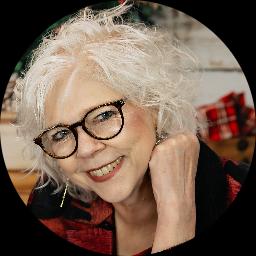
About Robin
Dr. Robin Andrus is a Licensed Mental Health Counselor (LMHC) with 31 years of experience helping people find steadier footing during hard times. She creates a calm, respectful space where people can be heard and begin to sort through difficult feelings.
Her approach is practical and warm, focused on small, useful changes that fit daily life. Robin blends evidence-based tools with a relational style. She pays attention to how relationships and attachment patterns affect mood, stress, and self-worth.
Background and approach
Sessions often include straightforward skills to manage anxiety, depression, or stress, alongside conversations about patterns that repeat in relationships. Many people come to her for help with relationship and intimacy issues, parenting stress, grief, or trauma and abuse. She also supports concerns like ADHD, identity questions, and struggles with self-esteem or guilt.
Sessions are aimed at building clearer boundaries, stronger coping strategies, and more confident decision making. Her style is collaborative and compassionate. She listens first, then helps people identify small steps that feel doable.
Practical homework and check-ins are common, so progress can be noticed between meetings. Working with Robin typically means a balance of talking and action. People leave sessions with concrete ideas to try and a clearer sense of their own strengths.
Over time the focus is on steady improvement and better balance in daily life.
How therapeutic approaches are used online
Attachment-Based Therapy looks at how early relationships shape current patterns. Online sessions can help people notice repeating relationship habits and practice new ways of connecting in everyday life. Client-Centered Therapy focuses on listening and supporting the person’s own goals. In teletherapy this means the therapist follows the client’s lead and offers reflection and empathy to help clarify next steps.Finding the right approach is part of the work. The therapist will discuss goals, preferences, and what feels most useful. Together they decide whether to focus on relationship patterns, skill-building, or both, and adjust the plan as progress happens.
Online therapy options include video calls, phone sessions, live chat, and text-based messaging. Video calls let people use face-to-face interaction when that helps. Phone sessions can be easier when bandwidth is limited or when someone prefers not to be on camera. Live chat and text messaging work well for shorter check-ins, quick coping tools, or when scheduling needs to be flexible. These formats make it easier to fit therapy into a busy life and to continue work between meetings.
Frequently asked questions
What concerns does this therapist address?
What is her therapeutic style like?
How much experience does she have?
What credentials and location are listed?
Which languages are supported and are international clients available?
What session formats are offered?
How does pricing work?
How do I begin working with this therapist?
Specialties and expertise
Top specialties
- Stress, Anxiety
- Relationship issues
- Family conflicts
Also works with
- Abandonment
- ADHD
- Adoption and foster care
- Attachment issues
- Autism and Asperger Syndrome
- Caregiver issues and stress
- Codependency
- Communication problems
- Coping with life changes
- Depression
- Family problems
- Grief
- Guilt and shame
- Intimacy-related issues
- LGBT
- Men's issues
- Parenting issues
- Self esteem
- Trauma and abuse
- Young adult issues
Therapeutic approaches
- Experience
- 31 years
- Licensed
- Washington
- Languages
- English