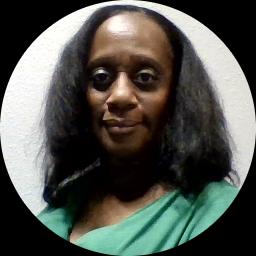
About Linda
Linda Burrell is a Licensed Mental Health Counselor (LMHC) based in Florida who helps people manage stress, anxiety, addictions, trauma, anger, depression, relationship and family concerns, grief, sleeping problems, parenting struggles, self-esteem, career challenges, and life changes. She brings 12 years of counseling experience to each conversation and aims to create an honest, respectful space for practical progress.
Linda uses straightforward talk and evidence-based tools to address problems that get in the way of daily life.
Background and approach
She listens first, then helps people set small, realistic goals. Sessions may include skill practice, new ways of thinking about problems, and steps to reduce harmful behaviors. Her background includes work in social services and federal health systems where she provided career and mental health support.
That range of settings shaped a flexible approach to different life situations. She emphasizes building trust and rapport as the basis for change. Linda often adapts Cognitive Behavioral Therapy to the client’s needs and also draws on Client-Centered methods and Dialectical Behavior Therapy when helpful.
She focuses on what will work for the individual rather than following one fixed method. In sessions she can talk through difficult feelings and help develop coping strategies for anger, cravings, panic, or low mood. She also supports parents dealing with caregiver strain and people facing multicultural or identity-related stress.
Her aim is to help clients take clear, manageable steps toward their goals.
Therapeutic approaches in online care
Linda frequently uses Cognitive Behavioral Therapy to help people identify unhelpful thoughts and try new behaviors; this approach is useful for anxiety, depression, panic, and many day-to-day struggles. She also uses Client-Centered Therapy, which focuses on listening, building trust, and letting the client set goals at their own pace; this helps when relationship issues, grief, or self-esteem are the main concerns.Choosing a method is collaborative. The therapist will talk with each person about their goals, preferences, and what has or hasn’t helped before. Together they decide which approaches to try and adjust the plan as progress is made.
Online sessions are offered via video calls, phone sessions, live chat, or text-based messaging to make care more flexible. Video lets people use face-to-face conversation and visual cues, phone calls can be easier when bandwidth is limited, chat works well for brief check-ins, and messaging supports ongoing reflection between sessions. These options help fit therapy into work, school, or caregiving schedules and make it easier to keep momentum between appointments.
Frequently asked questions
What issues does she address?
How would she describe her therapy style?
What is her professional background?
What credentials and location apply?
Which languages are supported?
What session formats are available?
How does payment and cost work?
How do I begin working with her?
Specialties and expertise
Top specialties
Also works with
- Anger management
- Bipolar disorder
- Career difficulties
- Caregiver issues and stress
- Coaching
- Codependency
- Communication problems
- Control issues
- Coping with life changes
- Dependent personality
- Depression
- Domestic violence
- Drug and alcohol addiction
- Family conflicts
- Family problems
- Forgiveness
- Grief
- Impulsivity
- Midlife crisis
- Multicultural concerns
- Obsessions, compulsions, and OCD
- Panic disorder and panic attacks
- Parenting issues
- Personality disorders
- Phobias
- Post-traumatic stress
- Prejudice and discrimination
- Relationship issues
- Self esteem
- Self-harm
- Self-love
- Sleeping disorders
- Social anxiety and phobia
- Women's issues
- Workplace issues
Therapeutic approaches
- Experience
- 12 years
- Licensed
- Florida
- Languages
- English