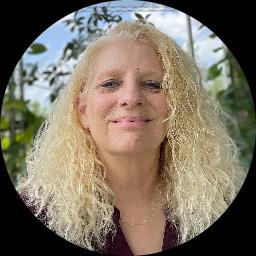
About Kathleen
Kathleen Curzon helps people manage relationship problems, trauma and abuse, grief, low self-esteem, stress, anxiety, and changes in life. She also supports people dealing with intimacy concerns, sleep difficulties, compassion fatigue, and family or attachment issues. Kathleen is a licensed mental health counselor in Florida and has practiced for 19 years.
Kathleen uses an approachable, down-to-earth style in sessions. She listens first to understand what matters most to each person.
Background and approach
Conversations focus on practical steps and clearer ways to cope, not on jargon or long lectures. Her work often blends talking about relationship patterns with tools to manage difficult thoughts and feelings. She draws on attachment ideas to look at how early bonds affect current connections.
Cognitive behavioral strategies help people notice unhelpful thinking and try different behaviors. Kathleen also uses mindfulness and narrative approaches to help people slow down and retell painful experiences in less overwhelming ways. Sessions can include short skill-building exercises, guided reflection, and goal setting that fits daily life.
Her background includes nearly two decades of clinical practice in Florida, where she has supported people through illness, aging concerns, loss, and trauma. She aims to tailor conversations and plans to each persons situation. Kathleen emphasizes respect, sensitivity, and steady encouragement as people work toward clearer thinking and more manageable days.
Approaches that guide online work and everyday coping
Attachment-Based Therapy looks at how early bonds shape current relationships and patterns. It helps people notice attachment needs and try new ways of connecting when old patterns cause pain. Cognitive Behavioral Therapy, or CBT, focuses on the links between thoughts, feelings, and actions. It teaches practical skills to test unhelpful thoughts and change behaviors that keep problems going.Finding the right approach is part of the work. Kathleen will talk with each person about their goals and preferences and together choose methods that fit. That collaboration helps shape a plan that can change over time as needs shift.
Online sessions are offered by video, phone, live chat, and text-based messaging to make therapy more flexible. Video calls are helpful for face-to-face interaction and deeper conversation. Phone meetings can fit a break at work or require less bandwidth. Live chat or text messaging can be useful for brief check-ins, ongoing support between sessions, or when typing feels easier than talking. These options help people fit therapy into busy lives and keep continuity when in-person visits arent practical.
Frequently asked questions
What concerns does she address?
How would you describe her therapy style?
What is her professional background?
What credentials and location are listed?
Which languages are offered for sessions?
What session formats are available?
How are fees and payment handled?
How do I begin working with her?
Specialties and expertise
Top specialties
- Relationship issues
- Trauma and abuse
- Grief
Also works with
- Abandonment
- Aging and geriatric issues
- Attachment issues
- Autism and Asperger Syndrome
- Body image
- Cancer
- Codependency
- Communication problems
- Compassion fatigue
- Coping with life changes
- Coping with natural or human-caused disaster
- Disruptive Mood Dysregulation Disorder (DMDD)
- Dissociation
- Family conflicts
- Family of origin issues
- Forgiveness
- Guilt and shame
- Hospice and end-of-life counseling
- Intellectual disability
- Intimacy-related issues
- Isolation / loneliness
- Life purpose
- Midlife crisis
- Multicultural concerns
- Personality disorders
- Seasonal Affective Disorder (SAD)
- Self esteem
- Sleeping disorders
- Somatization
- Stress, Anxiety
- Visually impaired
- Women's issues
- Workplace issues
- Young adult issues
Therapeutic approaches
- Experience
- 19 years
- Licensed
- Florida, Massachusetts
- Languages
- English