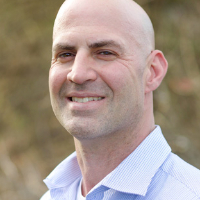
About David
David M Poles uses a practical, relationship-focused approach to help people navigate stress, mood struggles, and problems with connection. He brings 24 years of clinical experience to sessions and holds an MA and Licensed Mental Health Counselor credential. David aims for clear communication and straightforward tools that people can use between sessions.
He often focuses on how early attachments shape current relationships. That perspective helps when people face abandonment, attachment issues, or patterns of mistrust.
Background and approach
David also uses client-centered methods to keep conversations grounded in the person's goals and experience, and cognitive behavioral techniques to address unhelpful thinking and behavior. Typical concerns he helps with include anxiety, depression, trauma and abuse, addiction, bipolar mood concerns, anger, grief, and stress.
He also works with issues tied to identity and life roles such as fatherhood, career stress, money worries, and the strains of caregiving or compassion fatigue. Sessions are practical and direct. David listens first, then offers observations and concrete strategies.
He encourages learning and honest feedback when people are ready to try new ways of relating or coping. David sees people in Massachusetts and conducts sessions in English. He offers live sessions and messaging options to fit different schedules and communication preferences.
How attachment and practical therapy translate online
Attachment-based work looks at how early bonds influence current relationships. Online sessions use conversation and reflection to identify patterns of connection and to practice new ways of relating that reduce conflict and loneliness.Client-centered therapy focuses on the person's experience and goals. In this approach the therapist listens closely, follows what matters most to the client, and helps people find their own solutions to stress, grief, and life transitions.
Cognitive behavioral therapy helps people spot unhelpful thoughts and try different behaviors. This approach is useful for anxiety, depression, sleep problems, and impulsivity by teaching concrete skills to test thoughts and change routines.
Choosing the right approach is part of the work. The therapist will collaborate with the client to decide which methods fit their goals, needs, and preferences, and will adjust methods as progress is made.
Online formats include video calls, phone sessions, live chat, and text-based messaging. Video is helpful for deeper conversation and exercises that use visual cues. Phone sessions can fit a short break or lower bandwidth needs. Live chat or texting can work well for quick check-ins, journaling prompts, or when someone prefers typed communication. These options make it easier to schedule therapy around work, parenting, or travel.
Frequently asked questions
What issues does this therapist address?
What is his general therapeutic style?
How much clinical experience does he bring?
What are his credentials and where is he located?
Which languages are supported for sessions?
What session formats are available?
How does billing and cost work?
How do I begin working with him?
Specialties and expertise
Top specialties
- Addictions
- Relationship issues
- Family conflicts
Also works with
- Abandonment
- ADHD
- Anger management
- Attachment issues
- Bipolar disorder
- Career difficulties
- Communication problems
- Compassion fatigue
- Control issues
- Coping with life changes
- Depression
- Divorce and separation
- Family of origin issues
- Fatherhood issues
- Forgiveness
- Grief
- Guilt and shame
- Impulsivity
- Intimacy-related issues
- Life purpose
- Men's issues
- Money and financial issues
- Mood disorders
- Narcissism
- Parenting issues
- Process addiction (porn, exercise, gambling)
- Self esteem
- Self-love
- Sleeping disorders
- Social anxiety and phobia
- Stress, Anxiety
- Trauma and abuse
- Veteran and Armed Forces Issues
Therapeutic approaches
- Experience
- 24 years
- Licensed
- Massachusetts
- Languages
- English