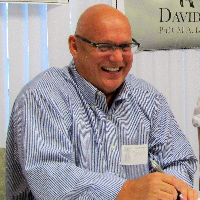
About David
David Gibbs is a licensed mental health counselor who offers a calm, straightforward way to address stress, anxiety, addiction, grief, and other life challenges. He brings two decades of counseling experience to sessions and focuses on practical steps people can use right away.
Those seeking help with mood struggles, relationship strain, sleep problems, or questions about identity may find his direct style useful. He uses several therapy approaches to match what each person needs.
Background and approach
Sessions often include talk, skill-building, and exercises to change thinking and behavior. For people coping with trauma or intense emotions, he applies methods that help process painful memories and reduce overwhelming reactions. David's background spans community agencies, in-home crisis work, nonprofit services, and independent practice.
That variety shapes a flexible approach that can fit different life situations. He has also presented at local and national conferences on mental health and substance use issues. He authored a self-published book titled Humbug to Happiness that grew out of his belief people deserve a life of greater satisfaction.
In practice he blends that optimistic outlook with clear, actionable goals. Sessions aim to build coping skills, improve relationships, and ease day-to-day functioning. David holds licenses in Florida and Ohio and brings more than 20 years of hands-on experience.
He offers sessions in English and provides online options like video calls, phone sessions, live chat, and text-based messaging for flexible scheduling.
Therapeutic approaches adapted for online care
David often uses Acceptance and Commitment Therapy to help people notice painful thoughts without getting stuck in them and to move toward values-based choices. ACT can be useful for anxiety, depression, and coping with major life changes.He also uses Cognitive Behavioral Therapy to identify and change unhelpful thinking patterns and behaviors. CBT usually involves clear goals and practical exercises people can practice between sessions to reduce symptoms like worry, low mood, and sleep problems.
Finding the right approach is part of the work together. He will discuss options and adjust methods based on each person’s goals, comfort level, and symptoms. That collaborative process helps decide whether ACT, CBT, or other methods like trauma-focused processing fit best.
Online sessions are offered as video calls, phone sessions, live chat, and text-based messaging to match different needs. Video calls allow face-to-face conversation, phone sessions can be easier when bandwidth is limited, chat is good for short check-ins, and messaging supports ongoing reflection between meetings. These options make it simpler to fit therapy around work, family, and daily routines.
Frequently asked questions
What concerns does this counselor address?
How would he describe his therapy style?
What is his professional background?
What credentials and location apply to this therapist?
Are sessions offered in other languages or internationally?
Which session formats are available?
How is cost handled for sessions?
What are the first steps to begin working together?
Specialties and expertise
Top specialties
- Stress, Anxiety
- Addictions
- Relationship issues
Also works with
- Abandonment
- ADHD
- Anger management
- Attachment issues
- Bipolar disorder
- Career difficulties
- Coaching
- Codependency
- Commitment issues
- Compassion fatigue
- Coping with life changes
- Depression
- Drug and alcohol addiction
- Emptiness
- Family conflicts
- Family problems
- Forgiveness
- Grief
- Guilt and shame
- Intimacy-related issues
- Jealousy
- LGBT
- Life purpose
- Parenting issues
- Self esteem
- Self-love
- Sleeping disorders
- Social anxiety and phobia
- Trauma and abuse
Therapeutic approaches
- Experience
- 20 years
- Licensed
- Florida, Ohio
- Languages
- English