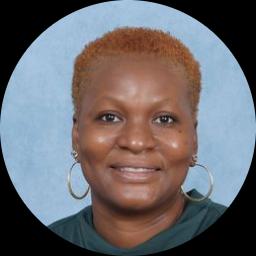
About Carline
Carline Jacques is a licensed mental health counselor practicing in New York. She has eight years of clinical experience helping people manage depression, anxiety, bipolar mood concerns, trauma, and grief. Carline focuses on practical steps people can use day to day to feel steadier and more connected.
She meets clients where they are and listens first. Sessions aim to clarify problems, find patterns, and try small changes that make a difference.
Background and approach
Carline uses clear, straightforward language so people can apply what they learn between sessions. Her work draws on client-centered methods that prioritize the person's own goals and pace. She also uses cognitive behavioral therapy to identify unhelpful thoughts and test new behaviors.
Those two approaches guide the work rather than relying on a single technique. Carline often addresses related issues that come up with mood and stress, such as attachment struggles, communication problems, substance use concerns, body image, chronic health challenges, and loneliness. She helps people sort through overlapping problems and set realistic next steps.
In sessions she focuses on safety, respect, and cultural sensitivity. Carline supports people who want to build self-compassion, improve relationships, or regain a sense of purpose. Her style is steady, practical, and collaborative.
How therapeutic approaches translate to online sessions
Client-Centered Therapy emphasizes the person's own priorities and pace. In practice this means the therapist asks questions, reflects what they hear, and follows the client's lead while offering gentle guidance. This approach helps when someone needs space to name their goals, feel understood, or work through identity and relationship concerns.Cognitive Behavioral Therapy, or CBT, focuses on spotting unhelpful thoughts and testing small behavior changes. Online CBT sessions often include practical exercises such as mood tracking, behavioral experiments, and step-by-step plans to reduce anxiety or depressive patterns. This method is useful for stress, anxiety, low mood, and habit changes.
Finding the right approach is part of the work together. The therapist will discuss goals, preferences, and what has or hasn’t worked before, then recommend methods to try. That discussion is collaborative and can change as needs shift.
Online therapy offers flexibility through video calls, phone sessions, live chat, and text-based messaging. Video is good for face-to-face conversation and visual cues. Phone sessions use less bandwidth and can fit a break at work. Live chat and text allow shorter check-ins and ongoing reflections between appointments. These options make it easier to fit therapy into a busy life while still using the same therapeutic methods described above.
Frequently asked questions
What concerns does this therapist help with?
How would you describe the therapy style?
How much experience does the therapist have?
What are the therapist's credentials and location?
Which languages are supported for sessions?
What session formats are available?
How does pricing work for sessions?
What are the first steps to begin working together?
Specialties and expertise
Top specialties
Also works with
- Attachment issues
- Avoidant personality
- Bipolar disorder
- Body image
- Chronic pain, illness, and disability
- Co-morbidity
- Communication problems
- Coping with natural or human-caused disaster
- Depression
- Drug and alcohol addiction
- Eating and food-related issues
- Emptiness
- Guilt and shame
- Hoarding
- Impulsivity
- Isolation / loneliness
- Life purpose
- Mood disorders
- Multicultural concerns
- Obsessions, compulsions, and OCD
- Panic disorder and panic attacks
- Paranoia
- Personality disorders
- Phobias
- Post-traumatic stress
- Seasonal Affective Disorder (SAD)
- Self-harm
- Self-love
- Smoking / vaping cessation
- Social anxiety and phobia
- Women's issues
- Young adult issues
Therapeutic approaches
- Experience
- 8 years
- Licensed
- New York
- Languages
- English