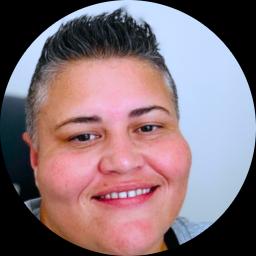
About Anthia
Anthia Casanova is a licensed mental health counselor in Florida who helps people manage stress, anxiety, mood concerns, addiction, and LGBTQ-related issues. She brings 16 years of experience to sessions and focuses on building confidence, motivation, and practical coping skills. Anthia centers care on each person's strengths rather than labeling them by their struggles.
She works in a straightforward, respectful way. Sessions are collaborative - the client’s goals guide the plan.
Background and approach
Anthia uses clear tools to handle panic, mood swings, and low self-esteem so people leave with steps they can try between meetings. Her approach draws on client-centered methods that keep the person’s voice central. She also uses cognitive behavioral techniques to identify unhelpful thoughts and DBT skills to manage strong emotions.
Motivational interviewing helps when someone feels stuck and needs support finding reasons to change. Anthia has supported people facing grief, trauma, relationship stress, parenting strain, and career challenges. She also helps those dealing with isolation, guilt, impulsivity, and questions about sexuality and identity.
Her work includes practical problem solving and building routines that reduce overwhelm. Sessions can include talking, skill practice, and planning small experiments to test new ways of coping. Anthia aims to make therapy understandable and useful, so progress feels concrete and steady.
How Anthia’s Approaches Work Online
Client-centered therapy focuses on the person’s experience and priorities. The therapist listens deeply and helps the client identify their own goals and solutions, which works well for issues like identity, self-esteem, and life purpose.Cognitive Behavioral Therapy, or CBT, looks at the link between thoughts, feelings, and actions. It teaches simple exercises to test unhelpful thoughts and try new behaviors, which can reduce anxiety, panic attacks, and depression symptoms.
Dialectical Behavior Therapy, DBT, offers skills for managing intense emotions, improving distress tolerance, and strengthening relationships. These tools are useful for impulsivity, mood swings, and problems with anger or overwhelm.
Finding the right approach is part of the work. The therapist will collaborate with each person to choose methods that fit their needs, goals, and preferences. Plans can change as progress is made and new priorities emerge.
Online formats include video calls, phone sessions, live chat, and text-based messaging. Video lets people see nonverbal cues and practice skills together. Phone sessions can fit during a break or require less bandwidth. Live chat and messaging are useful for short check-ins, homework review, or ongoing support between sessions. These options make attending sessions easier around work, family, and travel.
Frequently asked questions
What concerns does she help with?
How would you describe her therapeutic style?
What is her professional background?
What are her credentials and where is she based?
Can sessions be conducted in other languages or internationally?
What session formats are available?
How are fees and billing handled?
How do I begin working with her?
Specialties and expertise
Top specialties
- Stress, Anxiety
- LGBT
- Relationship issues
Also works with
- Abandonment
- Addictions
- ADHD
- Anger management
- Attachment issues
- Bipolar disorder
- Career difficulties
- Communication problems
- Compassion fatigue
- Control issues
- Coping with life changes
- Depression
- Family conflicts
- Forgiveness
- Grief
- Guilt and shame
- Impulsivity
- Isolation / loneliness
- Life purpose
- Mood disorders
- Panic disorder and panic attacks
- Parenting issues
- Post-traumatic stress
- Self esteem
- Self-love
- Sexuality
- Social anxiety and phobia
- Trauma and abuse
- Women's issues
- Workplace issues
Therapeutic approaches
- Experience
- 16 years
- Licensed
- Florida
- Languages
- English