
Miriam Perrin, LMHC
Florida · 16 yrs in practice
Works with Stress, Anxiety / Relationship / Trauma and abuse +7
Works by Cognitive Behavioral Therapy (CBT) / Solution-Focused Therapy
Read profileTherapist listings come from BetterHelp. We will earn a commission if you sign up through a link on this page, at no extra cost to you, and it does not change the order of the listings.
A Licensed Mental Health Counselor (LMHC) is a clinician who has completed graduate-level training and met state requirements to practice psychotherapy. Browse the verified LMHC therapists listed below to review their credentials, specialties, approaches, languages, and experience.
Florida · 16 yrs in practice
Works with Stress, Anxiety / Relationship / Trauma and abuse +7
Works by Cognitive Behavioral Therapy (CBT) / Solution-Focused Therapy
Read profile
Florida · 20 yrs in practice · 2 languages
Works with Stress, Anxiety / Addictions / Relationship +17
Works by Acceptance and Commitment Therapy (ACT) / Attachment-Based Therapy
Read profile
New York · 13 yrs in practice
Works with Relationship / Trauma and abuse / Grief +10
Works by Client-Centered Therapy / Cognitive Behavioral Therapy (CBT)
Read profile
Florida · 25 yrs in practice · 2 languages
Works with Relationship / Trauma and abuse / Grief +13
Works by Client-Centered Therapy / Eye Movement Desensitization and Reprocessing (EMDR)
Read profile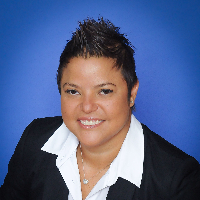
Florida · 21 yrs in practice
Works with Stress, Anxiety / Addictions / LGBT +10
Works by Acceptance and Commitment Therapy (ACT) / Client-Centered Therapy
Read profile
Florida · 23 yrs in practice
Works with Stress, Anxiety / Addictions / Self esteem +11
Works by Client-Centered Therapy / Cognitive Behavioral Therapy (CBT)
Read profile
New York · 5 yrs in practice · 2 languages
Works with Stress, Anxiety / LGBT / Trauma and abuse +13
Works by Acceptance and Commitment Therapy (ACT) / Attachment-Based Therapy
Read profile
Pennsylvania · 12 yrs in practice
Works with Stress, Anxiety / Relationship / Self esteem +12
Works by Client-Centered Therapy / Cognitive Behavioral Therapy (CBT)
Read profile
New York · 11 yrs in practice
Works with Stress, Anxiety / Grief / Self esteem +9
Works by Acceptance and Commitment Therapy (ACT) / Attachment-Based Therapy
Read profile
New York · 9 yrs in practice
Works with Stress, Anxiety / Anger / Self esteem +14
Works by Acceptance and Commitment Therapy (ACT) / Client-Centered Therapy
Read profile
Florida · 26 yrs in practice
Works with Stress, Anxiety / Relationship / Anger +14
Works by Client-Centered Therapy / Cognitive Behavioral Therapy (CBT)
Read profile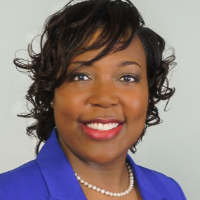
Florida · 10 yrs in practice
Works with Relationship / Family / Self esteem +5
Works by Client-Centered Therapy / Cognitive Behavioral Therapy (CBT)
Read profile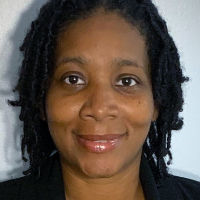
Florida · 13 yrs in practice
Works with Stress, Anxiety / Anger / Depression +14
Works by Cognitive Behavioral Therapy (CBT) / Dialectical Behavior Therapy (DBT)
Read profile
Florida · 3 yrs in practice
Works with Stress, Anxiety / Family / Trauma and abuse +16
Read profile
Florida · 30 yrs in practice
Works with Stress, Anxiety / Trauma and abuse / Bipolar +17
Works by Client-Centered Therapy / Cognitive Behavioral Therapy (CBT)
Read profile
Florida · 18 yrs in practice
Works with Stress, Anxiety / Relationship / Grief +13
Works by Client-Centered Therapy / Cognitive Behavioral Therapy (CBT)
Read profile
Florida · 30 yrs in practice
Works with Stress, Anxiety / Relationship / Trauma and abuse +15
Works by Acceptance and Commitment Therapy (ACT) / Client-Centered Therapy
Read profile
Florida · 15 yrs in practice
Works with Stress, Anxiety / Addictions / Trauma and abuse +15
Works by Acceptance and Commitment Therapy (ACT) / Client-Centered Therapy
Read profile
Pennsylvania · 10 yrs in practice
Works with Stress, Anxiety / Relationship / Grief +9
Works by Cognitive Behavioral Therapy (CBT) / Dialectical Behavior Therapy (DBT)
Read profile
Massachusetts · 25 yrs in practice
Works with Stress, Anxiety / Relationship / Family +15
Works by Attachment-Based Therapy / Client-Centered Therapy
Read profile
Florida · 30 yrs in practice
Works with Stress, Anxiety / Addictions / Anger +6
Read profile
New Jersey · 20 yrs in practice
Works with Stress, Anxiety / Addictions / Parenting +8
Works by Client-Centered Therapy / Cognitive Behavioral Therapy (CBT)
Read profile
Indiana · 8 yrs in practice
Works with Stress, Anxiety / Addictions / Family +16
Works by Acceptance and Commitment Therapy (ACT) / Attachment-Based Therapy
Read profile
Florida · 20 yrs in practice
Works with Addictions / Relationship / Trauma and abuse +15
Works by Acceptance and Commitment Therapy (ACT) / Attachment-Based Therapy
Read profile
Florida · 17 yrs in practice
Works with Stress, Anxiety / Trauma and abuse / Eating +15
Works by Acceptance and Commitment Therapy (ACT) / Client-Centered Therapy
Read profile
Florida · 19 yrs in practice
Works with Stress, Anxiety / Family / Grief +13
Works by Acceptance and Commitment Therapy (ACT) / Client-Centered Therapy
Read profile
Florida · 30 yrs in practice
Works with Addictions / Relationship / Self esteem +4
Works by Cognitive Behavioral Therapy (CBT) / Motivational Interviewing
Read profile
Florida · 20 yrs in practice
Works with Stress, Anxiety / Grief / Self esteem +10
Works by Client-Centered Therapy / Cognitive Behavioral Therapy (CBT)
Read profile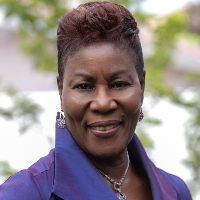
Florida · 21 yrs in practice
Works with Addictions / Relationship / Family +3
Works by Client-Centered Therapy / Cognitive Behavioral Therapy (CBT)
Read profile
New York · 6 yrs in practice
Works with Stress, Anxiety / Parenting / Anger +13
Works by Client-Centered Therapy / Cognitive Behavioral Therapy (CBT)
Read profile
Florida · 24 yrs in practice
Works with Stress, Anxiety / Addictions / Grief +15
Works by Acceptance and Commitment Therapy (ACT) / Client-Centered Therapy
Read profile
New York · 36 yrs in practice
Works with Stress, Anxiety / Family / Parenting +8
Works by Client-Centered Therapy / Cognitive Behavioral Therapy (CBT)
Read profile
Florida · 12 yrs in practice
Works with Stress, Anxiety / Addictions / Parenting +9
Works by Client-Centered Therapy / Cognitive Behavioral Therapy (CBT)
Read profile
Florida · 16 yrs in practice
Works with Stress, Anxiety / Trauma and abuse / Self esteem +7
Works by Attachment-Based Therapy / Client-Centered Therapy
Read profile
Florida · 13 yrs in practice
Works with Stress, Anxiety / Self esteem / Depression +8
Works by Acceptance and Commitment Therapy (ACT) / Client-Centered Therapy
Read profile
Massachusetts · 12 yrs in practice
Works with Stress, Anxiety / Anger / Self esteem +4
Works by Client-Centered Therapy / Cognitive Behavioral Therapy (CBT)
Read profile
New York · 13 yrs in practice
Works with Stress, Anxiety / Self esteem / Depression +9
Works by Client-Centered Therapy / Cognitive Behavioral Therapy (CBT)
Read profile
Florida · 26 yrs in practice
Works with Stress, Anxiety / Addictions / LGBT +2
Read profile
Florida · 21 yrs in practice
Works with Stress, Anxiety / Relationship / Self esteem +2
Works by Cognitive Behavioral Therapy (CBT) / Motivational Interviewing
Read profile
New York · 18 yrs in practice · 3 languages
Works with Stress, Anxiety / Relationship / Parenting +2
Read profile
Florida · 8 yrs in practice · 4 languages
Works with Stress, Anxiety / Relationship / Family +10
Works by Client-Centered Therapy / Cognitive Behavioral Therapy (CBT)
Read profile
New Jersey · 10 yrs in practice
Works with Stress, Anxiety / Relationship / Family +5
Works by Attachment-Based Therapy / Client-Centered Therapy
Read profile
Florida · 20 yrs in practice
Works with Stress, Anxiety / Relationship / Grief +2
Works by Acceptance and Commitment Therapy (ACT) / Attachment-Based Therapy
Read profile
Florida · 25 yrs in practice
Works with Stress, Anxiety / Relationship / Trauma and abuse +3
Works by Cognitive Behavioral Therapy (CBT) / Dialectical Behavior Therapy (DBT)
Read profile
Florida · 17 yrs in practice
Works with Stress, Anxiety / Addictions / LGBT +12
Works by Client-Centered Therapy / Cognitive Behavioral Therapy (CBT)
Read profile
Indiana · 11 yrs in practice
Works with Stress, Anxiety / Addictions / Trauma and abuse +15
Works by Client-Centered Therapy / Cognitive Behavioral Therapy (CBT)
Read profile
Florida · 28 yrs in practice
Works with Stress, Anxiety / Addictions / Relationship +15
Read profile
Florida · 13 yrs in practice
Works with Stress, Anxiety / Depression / Addictions +7
Read profileWhen you see the LMHC designation, it indicates that a counselor has met specific educational and regulatory benchmarks in the state where they practice. Most LMHCs hold a master’s degree in counseling, mental health counseling, or a closely related field, and they complete supervised clinical experience as part of the path to licensure. State licensing boards typically require candidates to pass a standardized examination and to maintain active licensure through continuing education. These steps are intended to create a baseline level of professional preparation so you can expect a foundation in assessment, treatment planning, and psychotherapeutic techniques.
Licensure standards vary by state, so the exact coursework, practicum hours, and exam requirements can differ. The LMHC title tells you that a counselor has completed the process established by a licensing authority to practice independently in the mental health field. If you want a concise summary of a clinician’s background, the LMHC label is a useful starting point, and it is typically noted on professional profiles alongside education and listed approaches.
LMHCs provide assessment, individual therapy, group therapy, crisis intervention, and treatment planning for a wide range of concerns. You can expect them to work with mood-related challenges, anxiety, relationship difficulties, coping with life transitions, and other psychological concerns. LMHCs often collaborate with physicians, schools, and community programs when coordinated care is helpful for your situation. They may also offer consultation to organizations or provide psychoeducational support to families.
It helps to understand differences between license types when you are comparing profiles. Psychiatrists are medical doctors who may prescribe medication as part of care, whereas LMHCs are behavioral health clinicians focused on psychotherapy and counseling. Psychologists often hold doctoral degrees and may perform formal psychological testing in addition to therapy. Social workers with clinical licensure may emphasize systems, community resources, and case management alongside counseling. These distinctions are general, and individual clinicians vary in their experience and focus. When you review profiles, look at the stated education, areas of emphasis, and how therapists describe the services they provide to find a fit with your needs.
LMHCs work across many areas of mental health practice, and you will see a wide range of specialties listed in their profiles. Many LMHCs indicate focus areas such as depression, anxiety, trauma, grief, relationship concerns, adolescent and family issues, stress management, and life transitions. Some also list interests in supporting people facing workplace stress, identity concerns, or adjustment after major life events. If you have a specific population need, such as work with adolescents, older adults, or particular cultural and linguistic communities, profiles often note languages spoken and population focus.
Therapeutic approaches are commonly shown on profiles, though the presence of an approach on a profile is not a statement about a credential. You may find LMHCs who list approaches such as cognitive-behavioral techniques, psychodynamic perspectives, dialectical-informed strategies, trauma-focused methods, or mindfulness-based practices. You will also encounter therapists who list EMDR among their approaches. These labels can give you an idea of how a clinician frames their work, but reading a therapist’s description and asking about how they apply an approach in practice will give you a clearer sense of fit.
Verifying a license is a straightforward step that offers clarity about a clinician’s standing. The most direct route is to consult the licensing board in the state where the clinician practices. Many state boards provide online license lookup tools where you can enter a name or license number to confirm licensure, view the license type, check expiration dates, and review any disciplinary records that are a matter of public record. If a profile lists a license number, you can use that to narrow the search quickly.
If you have questions after checking the board, you can ask the clinician to share their licensure information and documentation. You may also look at the listed educational institutions and confirm the degree if you wish, though degree verification is less commonly necessary than confirming an active license. Professional associations and employer directories sometimes provide additional verification layers, but the state board is usually the authoritative source for licensing status. Taking these steps helps you understand whether a clinician holds the LMHC credential in the state where they offer services.
Choosing an LMHC can be beneficial if you are seeking a clinician whose training centers on psychotherapy and counseling techniques. LMHCs often bring a focus on talk therapy, coping skills, behavior change strategies, and collaborative treatment planning. Profiles allow you to identify clinicians who work with the issues you face and who describe approaches that align with your preferences. You may prioritize factors like therapeutic focus, experience with particular populations, language needs, cultural perspective, and the setting in which services are offered.
When you are searching for a good match, start by clarifying your goals for therapy so you can compare how clinicians describe their work. Read profiles carefully to learn about specialties, training background, and therapeutic approaches. Consider practical questions such as whether you prefer in-person or remote sessions, the languages spoken by the clinician, and whether their stated areas of emphasis fit your concerns. Prepare a few questions to use when you reach out, such as how the clinician typically structures sessions, what a short-term plan might look like, and how progress is assessed. It is also reasonable to ask about fees and insurance practices so you can plan accordingly.
Finding the right clinician often comes down to fit as much as formal credentials. An LMHC badge signals a licensed counselor with graduate-level preparation and supervised clinical experience, but your sense of connection and trust with a clinician will shape the effectiveness of work together. Use profile details to compare focus areas, approaches, experience, and language to find a clinician whose practice aligns with what you want to address. When you have narrowed options, an initial conversation can help you decide whether you feel comfortable moving forward.