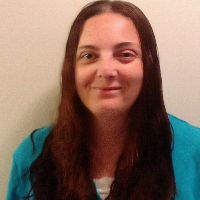
About Stephanie
Stephanie Miller-Olsen is a Licensed Mental Health Counselor in New York with ten years of experience. She uses a direct, person-focused style to help people manage stress, anxiety, depression, and the effects of trauma. Her approach aims to find practical steps people can use between sessions to feel steadier and more in control.
She blends client-centered methods with cognitive behavioral and mindfulness techniques. That means conversations focus on the person's goals and on small, doable behavior changes.
Background and approach
Mindfulness tools and breathing practices are taught for immediate relief from overwhelming feelings. Stephanie often helps people facing relationship strain, parenting stress, grief, substance use concerns, and difficulties with self-esteem or motivation. She also works with people who struggle with obsessive thinking, panic, dissociation, mood swings, and ADHD-related challenges.
Sessions emphasize clear skills and short-term plans when that fits the person's needs. Her practice includes text-based messaging, live chat, phone, and video sessions so people can choose the format that fits their life. Stephanie prefers to combine scheduled sessions with brief messaging between meetings to keep momentum on goals.
She does not provide documentation for legal or court proceedings. Conversations with her are straightforward and goal-oriented. She helps people notice patterns, test small changes, and build routines that support daily functioning.
Stephanie focuses on practical tools people can use right away to feel less overwhelmed and more capable.
Approaches that translate well to online therapy
Client-centered therapy focuses on listening closely and following each person's goals. In practice this means the therapist reflects what a person says and helps them name what matters most, which can guide the pace and focus of sessions.Cognitive behavioral therapy (CBT) teaches simple ways to notice unhelpful thoughts and test new behaviors. It often includes short exercises and homework that people can practice between meetings to reduce anxiety, manage mood, and change stressful patterns.
Dialectical behavior therapy (DBT) adds skills for managing intense emotions, improving interpersonal effectiveness, and tolerating distress. These tools are useful for people who need steady techniques for overwhelming feelings or relationship conflict.
Choosing an approach is collaborative. The therapist will work with each person to identify goals and try methods that fit their needs and preferences. Sessions can shift over time if different techniques seem more helpful.
Online formats - video calls, phone sessions, live chat, and text-based messaging - offer practical flexibility. Video lets people read facial expressions and use worksheets together. Phone calls are useful when bandwidth is limited or for a focused check-in. Live chat or text messaging can support short check-ins, skill practice, and progress updates between sessions. These options make it easier to keep therapy regular around work, family, and daily routines.
Frequently asked questions
What concerns does Stephanie commonly address?
What style of therapy does she use in sessions?
How much experience does she have?
What credential does she hold and where is she based?
Can sessions be conducted in other languages or for international clients?
Which session formats are available with her?
How are costs and payments handled?
What steps are needed to begin working together?
Specialties and expertise
Top specialties
Also works with
- Addictions
- ADHD
- Anger management
- Bipolar disorder
- Career difficulties
- Coaching
- Codependency
- Commitment issues
- Compassion fatigue
- Coping with life changes
- Dependent personality
- Depression
- Dissociation
- Domestic violence
- Family conflicts
- Forgiveness
- Grief
- Guilt and shame
- Intimacy-related issues
- Mood disorders
- Obsessions, compulsions, and OCD
- Panic disorder and panic attacks
- Paranoia
- Parenting issues
- Phobias
- Post-traumatic stress
- Relationship issues
- Seasonal Affective Disorder (SAD)
- Self-harm
- Self-love
- Sexual assault and abuse
- Sleeping disorders
- Social anxiety and phobia
- Somatization
- Trichotillomania
Therapeutic approaches
- Experience
- 10 years
- Licensed
- New York
- Languages
- English