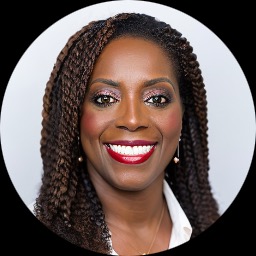
About Ruth
Ruth Hickmon helps people who are dealing with stress, anxiety, depression, relationship strain, anger, low self-esteem, grief, trauma, and parenting challenges. She is a Licensed Mental Health Counselor (LMHC) practicing in Florida and names ADHD and intimacy-related issues among her areas of focus. Ruth keeps sessions straightforward and practical.
She listens to what matters most and helps clients set small, achievable steps. Conversations often center on building coping skills, improving communication, and identifying patterns that get in the way of daily life.
Background and approach
Her approach blends client-centered care with tools from cognitive behavioral therapy and mindfulness. That means she encourages people to notice thoughts and feelings, then try new behaviors to change outcomes. She also draws on relationship-focused methods when partners or communication are central concerns.
Ruth has six years of post-licensure experience working with adults in Florida. She aims to make therapy feel like a collaborative effort rather than a lecture, adapting methods to each person’s pace and goals. Sessions may include practical exercises, breathing and grounding techniques, and goal-focused homework when useful.
Ruth also supports people dealing with caregiver stress, life changes, addiction concerns, and family-of-origin issues. Her style is direct but warm, focused on helping people move toward clearer choices and greater self-compassion.
Therapeutic approaches you can use online
Client-centered therapy focuses on listening and understanding each person without judgment. It helps people feel heard and begin to make changes at their own pace. Cognitive behavioral therapy, or CBT, looks at the links between thoughts, feelings, and actions and gives practical tools to reduce anxiety, manage mood, and handle panic symptoms. The Gottman Method addresses relationship and communication patterns and offers concrete skills for improving interaction and resolving conflict.Choosing the right approach is part of the work together. The therapist will talk with the client about goals and preferences, try strategies, and adjust what’s used based on what helps most. That collaborative process makes it easier to find methods that feel useful and realistic for daily life.
Online sessions are offered by video call, phone, live chat, or text-based messaging to make therapy fit into a busy schedule. Video calls work well for deeper conversations and visual cues. Phone sessions can be quieter and need less bandwidth. Live chat or messaging can be used for brief check-ins, ongoing support, or when typing helps someone organize thoughts. These options offer flexibility for ongoing care and quick check-ins between longer appointments.
Frequently asked questions
What issues does Ruth address in sessions?
How would you describe her therapy style?
What kind of experience does she bring?
Where is she licensed and based?
Which languages are supported for sessions?
What session formats are available?
How does payment and cost work?
How do I begin working with Ruth?
Specialties and expertise
Top specialties
- Stress, Anxiety
- Relationship issues
- Anger management
Also works with
- ADHD
- Caregiver issues and stress
- Communication problems
- Control issues
- Coping with life changes
- Depression
- Divorce and separation
- Domestic violence
- Drug and alcohol addiction
- Family of origin issues
- Forgiveness
- Grief
- Guilt and shame
- Intimacy-related issues
- Isolation / loneliness
- Jealousy
- Life purpose
- Panic disorder and panic attacks
- Parenting issues
- Post-traumatic stress
- Self esteem
- Self-love
- Social anxiety and phobia
- Trauma and abuse
- Women's issues
Therapeutic approaches
- Experience
- 6 years
- Licensed
- Florida
- Languages
- English