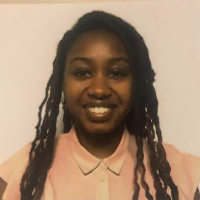
About Deandra
Deandra Hennemann is a Licensed Mental Health Counselor who practices in Florida and brings 12 years of clinical experience. She focuses on practical, straightforward support for everyday problems like stress, anxiety, depression, and relationship strain. She speaks English and works with people who face life changes, parenting struggles, workplace issues, and the long-term effects of trauma.
Her style is warm and interactive. Sessions are conversational and focused on what the person needs right now.
Background and approach
She avoids stigmatizing labels and treats people with respect and sensitivity while helping them find clearer goals. Deandra uses approaches that match a person’s situation. That can look like changing unhelpful thinking patterns, working through emotional blocks in close relationships, or addressing traumatic memories when they get in the way.
She and the client choose a path that fits their priorities. She also pays attention to issues like attachment, codependency, domestic violence, and cultural stressors. Practical steps and coping tools are woven into sessions so people can try new ways of handling hard moments between meetings.
If someone wants to explore career direction, build self-esteem, or move past shame and guilt, she helps set small, doable goals. The work is collaborative and paced to what feels manageable. Deandra aims to support people as they make meaningful changes in their daily lives.
How these approaches translate to online therapy
Client-Centered Therapy focuses on listening and understanding a person's perspective. In online sessions this looks like reflective conversation where the therapist follows the client's lead to identify goals and next steps. Cognitive Behavioral Therapy, or CBT, targets unhelpful thinking and behaviors by practicing new skills and small experiments between sessions; online work can include exercises, thought records, and behavior plans to use during the week. Emotionally-Focused Therapy helps people identify and change patterns in close relationships by exploring emotions and needs; it can be used in remote sessions to practice new ways of connecting or responding.Choosing the right approach is a collaborative process. The therapist will talk with the client about presenting concerns, personal goals, and what methods feel most comfortable. Together they’ll try things and adjust the plan based on what’s working and what isn’t.
Online therapy offers practical flexibility. Video calls allow deeper conversation with visual cues, while phone sessions need less bandwidth and can be easier during a work break. Live chat or text-based messaging can support quick check-ins, brief coping strategies, and ongoing reflection between meetings. These options make it easier to fit therapy into a busy life while working with licensed professionals.
Frequently asked questions
What kinds of problems does she help with?
What is her therapy style like?
How long has she been practicing?
Where is she licensed and based?
Can I work with her if I live outside the United States?
Which session formats are available?
How are sessions paid for?
What steps are needed to begin working together?
Specialties and expertise
Top specialties
- Stress, Anxiety
- Parenting issues
- Self esteem
Also works with
- Addictions
- Anger management
- Attachment issues
- Career difficulties
- Coaching
- Codependency
- Coping with life changes
- Depression
- Domestic violence
- Family conflicts
- Family problems
- Forgiveness
- Guilt and shame
- Life purpose
- Multicultural concerns
- Narcissism
- Post-traumatic stress
- Prejudice and discrimination
- Relationship issues
- Self-love
- Trauma and abuse
- Traumatic brain injury
- Women's issues
- Workplace issues
- Young adult issues
Therapeutic approaches
- Experience
- 12 years
- Licensed
- Florida
- Languages
- English