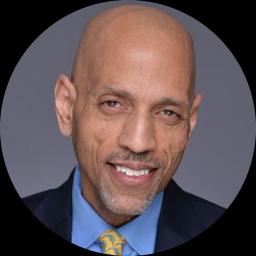
About Anthony
Anthony Patterson is a Licensed Mental Health Counselor who brings 38 years of clinical experience to his practice in New York. He focuses on helping people manage anxiety, mood concerns, trauma, and issues around intimacy and self-esteem. He also addresses concerns related to sexuality and LGBT matters.
He speaks English and uses straightforward, practical language in sessions. Across his long career he has worked with people facing grief, anger, attachment wounds, and problems with communication.
Background and approach
He helps individuals navigate breakup and divorce, financial stress, career-related conflict, and feelings of guilt or shame. His work often addresses men’s issues and questions about life purpose. Anthony uses evidence-based therapeutic techniques with a trauma-informed lens.
He incorporates approaches that include trauma processing and relationship-centered tools to help people rebuild trust in themselves and their connections. Sessions aim to teach concrete skills for managing strong emotions and improving communication. In the room he keeps things direct and collaborative.
He helps clients set clear goals and tries simple, practical exercises between sessions. People can expect a mix of talking, skill practice, and paced exploration of painful memories. Anthony offers several formats for ongoing work, including video calls, phone sessions, live chat, and text-based messaging.
He asks new clients to complete a short matching questionnaire to begin the process and then schedules sessions based on availability.
Practical approaches for online healing and relationships
Anthony often uses trauma-focused techniques that help people process painful memories and reduce their emotional intensity. These methods guide clients through paced recall and coping skills so distressing memories feel more manageable and less overwhelming.He also uses relationship-centered tools that teach clearer communication and help people address power struggles and disconnection. These tools focus on concrete exercises couples or partners can try to improve listening, express needs, and repair interactions.
Finding the right approach is a collaborative process. The therapist will work with each person to identify goals, try methods that fit their needs, and adjust the plan as progress is made. This helps ensure the work feels relevant and practical rather than one-size-fits-all.
Online sessions are available by video call, phone, live chat, or text-based messaging to make therapy easier to fit into busy lives. Video lets people read facial cues during deeper work, phone sessions are useful when bandwidth is limited, and chat or messaging can suit quick check-ins or ongoing support between sessions. These options make it simpler to keep continuity of care and use therapy tools in everyday life.
Frequently asked questions
What concerns does he help with?
How would you describe his therapeutic style?
What is his background and experience?
Where is he licensed and based?
Which languages are available for sessions?
What session formats are used?
How does payment and cost work?
How do I begin working with him?
Specialties and expertise
Top specialties
Also works with
- Experience
- 38 years
- Licensed
- New York
- Languages
- English