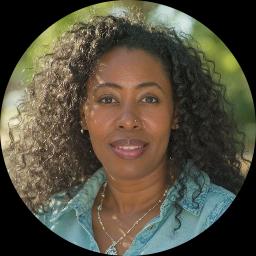
About Althea
Althea King is a licensed mental health counselor with 18 years of experience helping people through hard times. She works with adults facing depression, anxiety, stress, trauma, grief, bipolar disorder and other mood challenges. Her style is calm and straightforward, aimed at making the first steps feel manageable.
She focuses on the whole person, including faith, values, and life circumstances. That means conversations cover daily routines, relationships, work, and the feelings that come up around them.
Background and approach
She helps clients notice unhelpful patterns and practice different ways of coping. Althea often helps people work on self-love, communication, finding life purpose, and dealing with guilt or shame. She also supports those who face panic attacks, posttraumatic stress, attachment questions, or money-related stress.
Sessions balance emotional processing with practical strategies people can try between meetings. Her sessions are collaborative. Clients set goals and choose what to focus on while she offers guidance, feedback, and tools.
The approach aims to be respectful and honest, with attention to each person's unique values and beliefs. People come to Althea when they need help making sense of loss, rebuilding a sense of direction, or managing intense moods. She brings steady experience and a direct, caring manner to each conversation.
Therapeutic approaches and online sessions that fit your life
Althea uses evidence-based therapeutic techniques that help people handle intense emotions and improve daily functioning. One common approach focuses on identifying and changing unhelpful thinking and behavior patterns; this helps with anxiety, depression, and mood swings by teaching new coping skills and ways to reframe stressful situations. Another approach emphasizes processing difficult memories and reactions so trauma and grief feel less overwhelming; it combines careful listening with paced exercises to reduce symptoms and increase emotional tolerance.Choosing the best approach is part of the work together. The therapist will talk with each person about their goals, preferences, and what feels most useful, and then try methods that make sense for that situation. This collaborative process means adjustments are made over time to find the right fit.
Online therapy offers flexibility and easier access to help. Video calls allow face-to-face conversation for deeper connection, phone sessions can be a simpler option if bandwidth is limited, and live chat or text messaging let people check in between sessions or use shorter touchpoints during a busy week. These formats make it possible to get consistent support without long commutes and can fit into work, caregiving, or school schedules.
Frequently asked questions
What concerns does this therapist help with?
What is the therapeutic style like?
How much experience does she have?
What credentials and where is she based?
Does she conduct sessions in other languages or internationally?
Which session formats are available?
How are sessions paid for and what do they cost?
How do I begin working with this therapist?
Specialties and expertise
Top specialties
Also works with
- Aging and geriatric issues
- Attachment issues
- Autism and Asperger Syndrome
- Bipolar disorder
- Blended family issues
- Co-morbidity
- Communication problems
- Depression
- Drug and alcohol addiction
- Family of origin issues
- Family problems
- Forgiveness
- Guilt and shame
- Immigration issues
- Life purpose
- Money and financial issues
- Mood disorders
- Multicultural concerns
- Panic disorder and panic attacks
- Post-traumatic stress
- Postpartum depression
- Self-love
- Social anxiety and phobia
- Women's issues
- Experience
- 18 years
- Licensed
- Florida
- Languages
- English