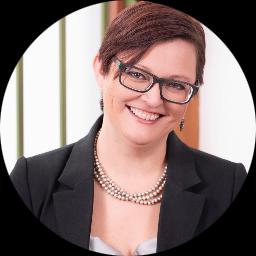
About Tara
Tara Bates is a licensed mental health counselor practicing in Washington. She has 12 years of experience and focuses on stress, anxiety, and relationship concerns tied to intimacy and self‑esteem. She aims to create a calm, respectful space where people can talk through hard moments and build practical ways to cope.
Her approach centers on the person in front of her. Sessions start by listening to what matters most and then working together on realistic steps forward.
Background and approach
She often uses client-centered conversation, DBT skills, and motivational interviewing to help people manage overwhelming feelings and make changes they want. Tara has particular experience with LGBTQ concerns, sexuality, and non-traditional relationship structures including polyamory. She also helps with workplace stress, social anxiety, communication problems, and issues connected to gender dysphoria or HIV/AIDS.
She can address postpartum depression and first responder stress as well. Tara emphasizes building a steady therapeutic relationship. She supports practical skill building - for example emotion regulation, clearer communication, and goal setting - alongside exploring personal values and identity.
Her style is direct but compassionate, aiming for clarity and usable tools. People usually meet with her by video, phone, chat, or text messaging. To begin, a short matching questionnaire is completed and scheduling is arranged to suit both parties.
How Tara Uses Evidence-Based Approaches Online
Client-centered therapy focuses on listening and understanding your experience. The therapist follows your lead, reflects what she hears, and helps you make sense of choices and values. This approach is useful when people need a respectful space to talk about identity, relationships, or life transitions.Dialectical Behavior Therapy, or DBT, teaches specific skills for managing intense emotions and improving relationships. Tara may introduce short, practical exercises for breathing, grounding, emotion regulation, and clearer communication that can be practiced between sessions. Motivational interviewing is a gentle, goal-focused method that helps people find their own reasons to change and build confidence to act on those goals.
Choosing an approach is a collaborative process. The therapist will discuss options with each person and tailor techniques to their needs, goals, and comfort. Together they will try methods and adjust based on what is helpful.
Online therapy offers several practical benefits. Video calls let people meet face-to-face from wherever they are, while phone sessions work well when bandwidth is limited or a camera is not wanted. Live chat and text-based messaging give a way to check in, do short updates, or get support between longer sessions. These formats make it easier to fit therapy into busy schedules and to keep progress moving forward.
Frequently asked questions
What concerns does this therapist help with?
What is her general therapy style?
How much clinical experience does she have?
What are her credentials and where is she based?
Which languages are sessions offered in?
What session formats are available?
How are fees and billing handled?
How do I begin working together?
Specialties and expertise
Top specialties
Also works with
- BDSM, kink, and alternative sex culture
- Communication problems
- Coping with life changes
- First responder issues
- Gender dysphoria
- HIV / AIDS
- Polyamory / non-monogamous relationships
- Postpartum depression
- Self esteem
- Sexuality
- Social anxiety and phobia
- Women's issues
- Workplace issues
Therapeutic approaches
- Experience
- 12 years
- Licensed
- Washington
- Languages
- English