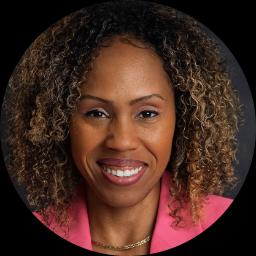
About Shaday
Shaday Luke is a licensed professional counselor (LPC) and a licensed mental health counselor (LMHC) based in Oklahoma. She focuses on helping people who feel overwhelmed by stress, anxiety, relationship strain, or life transitions. Her style is warm and direct, aimed at helping clients notice patterns and try small changes that make daily life easier.
She uses clear, practical tools to address mood shifts and anxiety. Shaday pays attention to how triggers and the nervous system affect behavior, especially after traumatic events.
Background and approach
She helps people learn to spot their typical reactions and choose different responses instead of reacting on impulse. Shaday draws on cognitive approaches to help clients shift unhelpful thinking. She also incorporates a client's spiritual beliefs when requested, offering Christian counseling for those who want it.
Sessions emphasize real skills that can be practiced between meetings, such as calming strategies and communication techniques. With five years of experience, she supports people working through separation, infidelity, attachment concerns, and family-related stress. She also helps with issues like guilt, forgiveness, and finding life purpose.
Conversations are client-led and paced to match each person’s comfort level. Shaday offers multiple remote formats so therapy can fit into busy schedules. International clients who speak English may also connect.
Prospective clients start by completing a short matching questionnaire and scheduling a time to meet that fits their needs.
How therapeutic approaches translate to online care
Shaday commonly uses cognitive approaches that help people identify and change unhelpful thought patterns. This method teaches practical steps to notice automatic thoughts, test them, and try alternative ways of thinking, which can reduce anxiety and improve mood.She also focuses on understanding triggers and the nervous system to explain why certain situations lead to strong reactions. That work helps clients develop skills to manage impulsive responses and calm themselves after stressful events.
Choosing the right approach is a collaborative process. The therapist will talk with each person about their goals, preferences, and what has or hasn't worked before. Together they decide which techniques to try and adjust the plan as progress develops.
Online formats include video calls, phone sessions, live chat, and text-based messaging. Video is useful for a traditional session with face-to-face interaction. Phone sessions can fit into a busy day and need less bandwidth. Live chat and texting are helpful for brief check-ins, practicing skills, or when writing feels easier than speaking. These options make it simpler to fit therapy into work, travel, or different time zones.
Frequently asked questions
What kinds of problems does she help with?
How would you describe her therapeutic style?
What experience does she bring to sessions?
What credentials and location are listed for this therapist?
In which language can I meet with her and can she see international clients?
What session formats are available for meetings?
How is cost handled for sessions?
How do I begin working with her?
Specialties and expertise
Top specialties
- Stress, Anxiety
- Relationship issues
- Family conflicts
Also works with
- Experience
- 5 years
- Licensed
- Oklahoma, Florida
- Languages
- English