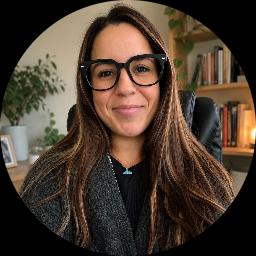
About Raquel
Raquel McCranie is a bilingual Licensed Mental Health Counselor who focuses on helping adults build steadier, more balanced lives. She prefers straightforward conversations over clinical jargon and aims to make people feel heard rather than managed.
She completed a Bachelor’s Degree in General Psychology with a Communications minor, then earned a Master’s Degree in Rehabilitation and Mental Health Counseling from the University of South Florida. Raquel brings five years of experience in behavioral health and addiction recovery to her work.
Background and approach
Her background includes individual counseling, relationship support, and trauma-related care. She adapts her approach to each person’s situation instead of offering a one-size-fits-all plan. That flexibility helps when people are dealing with stress, anxiety, depression, or low self-esteem.
Raquel also draws on experience with equine-assisted methods through partnerships, using that work as a complementary option when it fits someone’s goals. She understands the demands of blended family roles from her own life as a mother and stepmother, and she uses that perspective when talking through relationship and attachment concerns. Sessions are offered in English and Spanish.
Raquel aims to make therapy practical and understandable, helping people work on communication problems, codependency, substance concerns, grief around abandonment, and questions about life purpose. Her guiding intent is simple: give people space to be listened to and to find steps forward.
Approaches that translate well to online therapy
Raquel uses a mix of evidence-based therapeutic techniques tailored to each person. One common approach focuses on practical skills for managing anxiety and stress through breath work, grounding, and stepwise coping strategies that reduce overwhelm and improve daily functioning. Another approach emphasizes relationship and attachment work, helping people notice patterns, improve communication, and set clearer boundaries in close relationships.Choosing the right approach is a collaborative process. The therapist will listen to your goals, try options that fit your needs, and adjust methods as progress is made. Clients and the therapist work together to find what feels most useful and realistic for everyday life.
Online sessions include video calls, phone sessions, live chat, and text-based messaging. Video is useful for deeper conversations and visual cues. Phone sessions can be easier when bandwidth is limited or for a shorter check-in. Live chat and texting let people stay connected between longer sessions or share quick updates. These options make scheduling more flexible and can help therapy fit around work, family, and day-to-day demands.
Frequently asked questions
What issues does she help with?
How would you describe her therapy style?
What is her clinical background?
What credentials and where is she licensed?
Which languages are supported during sessions?
What session formats are available?
How much do sessions cost?
How do I begin working with her?
Specialties and expertise
Top specialties
- Stress, Anxiety
- Relationship issues
- Trauma and abuse
Also works with
- Abandonment
- Attachment issues
- Co-morbidity
- Codependency
- Communication problems
- Depression
- Drug and alcohol addiction
- Forgiveness
- Guilt and shame
- Isolation / loneliness
- Life purpose
- Personality disorders
- Post-traumatic stress
- Seasonal Affective Disorder (SAD)
- Self esteem
- Self-love
- Experience
- 5 years
- Licensed
- Florida
- Languages
- English, Spanish