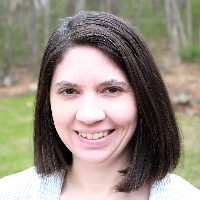
About Rachel
Rachel DeVita is a licensed counselor in New Hampshire with 13 years of experience helping people manage stress, anxiety, depression, and trauma. She supports those dealing with relationship strain, parenting challenges, addiction concerns, and workplace or identity-related stress. She aims to create a calm, steady space where people can start small and build skills that matter day to day.
Her style is warm and empathic. She listens first, then helps clients set clear, realistic goals.
Background and approach
Sessions focus on practical steps - learning new coping skills, changing unhelpful thoughts, and practicing strategies that reduce overwhelm. Rachel blends several approaches to match each person’s needs. She uses client-centered methods to keep the person’s own goals central, cognitive behavioral techniques to address thoughts and behaviors, and solution-focused tools to create short-term progress.
Mindfulness and dialectical behavior ideas are woven in when emotion regulation or stress tolerance are priorities. Her background includes work in community and residential settings, where she supported people with depression, anxiety, trauma and abuse, ADHD, anger, and grief. That mix of settings shaped a flexible, down-to-earth way of working.
She also has experience addressing first responder issues, pregnancy and childbirth concerns, and midlife transitions. People who choose her often want straightforward help for everyday problems and harder life events. She uses conversation, hands-on exercises, and small homework tasks to keep therapy useful between sessions.
Rachel holds LCMHC and LMHC credentials and practices in New Hampshire.
Therapeutic approaches and online care
Rachel uses cognitive behavioral therapy to help people spot and change unhelpful thinking patterns and behaviors; this approach is often used for anxiety, depression, panic, and everyday stress. She also draws on client-centered therapy, which focuses on listening, empathy, and keeping the person's own goals at the center of each session. Dialectical behavior therapy ideas are included when someone needs stronger tools for emotion regulation, distress tolerance, and improving relationships.Choosing the right approach is a team effort. Rachel will work with each person to outline goals, try strategies, and adjust the plan over time. That collaborative process helps find what feels useful and realistic for day-to-day life.
Online therapy offers practical flexibility. Video calls let people connect face to face without travel. Phone sessions can fit into a work break or require less bandwidth. Live chat and text-based messaging are available for brief check-ins, written reflections, or when shorter, more frequent communication helps keep progress moving. These options make it easier to maintain continuity of care and practice new skills between sessions.
Frequently asked questions
What kinds of concerns does she help with?
What is her general therapeutic approach?
How much experience does she have?
Where is she licensed and located?
Which languages are sessions offered in?
Can people outside the US work with her?
What session formats are available?
How do I start therapy with her?
Specialties and expertise
Top specialties
- Stress, Anxiety
- Trauma and abuse
- Anger management
Also works with
- Addictions
- ADHD
- Communication problems
- Compassion fatigue
- Coping with life changes
- Depression
- Family conflicts
- Family of origin issues
- Family problems
- First responder issues
- Forgiveness
- Grief
- LGBT
- Midlife crisis
- Panic disorder and panic attacks
- Parenting issues
- Post-traumatic stress
- Pregnancy and childbirth
- Relationship issues
- Self esteem
- Self-love
- Social anxiety and phobia
- Women's issues
- Workplace issues
- Young adult issues
Therapeutic approaches
- Experience
- 13 years
- Licensed
- New Hampshire, Massachusetts
- Languages
- English