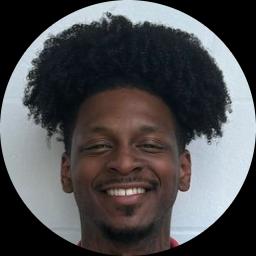
About Patrick
Patrick Anderson helps people who are dealing with stress, anxiety, relationship strain, trauma and low self-esteem. He works with clients who are struggling with depression and those facing issues like abandonment, attachment concerns, communication problems, and the fallout of divorce or separation. Patrick is based in Florida and holds a Licensed Mental Health Counselor credential, LMHC.
He keeps sessions straightforward and practical. Patrick focuses on clear goals and small, doable steps rather than long lectures.
Background and approach
He uses proven techniques to help people reduce overwhelming feelings and rebuild trust in themselves and their relationships. Patrick has four years of experience as a mental health counselor. He draws on approaches that help people work through trauma, manage anxiety, and practice self-compassion.
His work includes addressing guilt, shame, impulsivity, and post-traumatic stress reactions. In conversation he prioritizes listening first so people feel understood before making changes. Sessions are collaborative - clients and Patrick set the pace and pick strategies that fit each person’s life and goals.
He emphasizes practical skills that can be used between meetings. People who work with Patrick often focus on repairing communication, setting boundaries, and rebuilding self-love after painful events. He also supports those wanting help with forgiveness, reducing self-criticism, or improving emotional regulation.
The aim is steady progress and clearer choices.
Evidence-based approaches and online sessions that fit your life
Two approaches often used in his work are cognitive behavioral methods and trauma-focused techniques. Cognitive behavioral methods break problems into thoughts, feelings and actions, and teach skills to change unhelpful thought patterns and behaviors, which can help with anxiety and low mood. Trauma-focused techniques guide people through safer ways to process painful memories and learn coping tools to reduce intense reactions and intrusive memories.Finding the right approach is part of the process. He will work together with each person to identify what feels most useful, try methods in session, and adjust plans based on what helps the client reach their goals.
Online therapy offers flexible ways to meet. Video calls let people work face-to-face when interaction matters. Phone sessions can be easier when bandwidth is limited or a camera feels uncomfortable. Live chat and text-based messaging are useful for shorter check-ins, brief support between sessions, or for people who prefer writing. These options make it easier to fit therapy into a busy life and keep momentum between meetings.
Frequently asked questions
What concerns does this therapist focus on?
How would he describe his therapeutic style?
What is his professional background?
What credential and location are listed for this clinician?
Which languages are supported and can international clients join?
What session formats are available?
How does payment and cost work?
How do I begin working with him?
Specialties and expertise
Top specialties
- Stress, Anxiety
- Relationship issues
- Trauma and abuse
Also works with
- Experience
- 4 years
- Licensed
- Florida
- Languages
- English