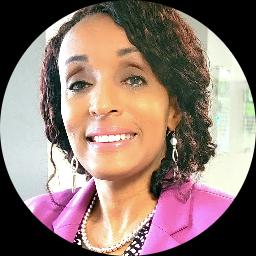
About Myrtle
Myrtle Greene is a licensed mental health counselor in Florida who focuses on practical, evidence-based help for stress, anxiety, trauma, grief, and self-esteem. She brings 15 years of experience to conversations that can feel hard to start. Myrtle aims to make the first step less overwhelming and to meet people where they are.
She listens for what matters most and helps people name the patterns that keep them stuck. Sessions focus on short-term coping skills and clearer ways to manage strong feelings like panic, shame, or grief.
Background and approach
Myrtle also supports people who are adjusting to big life changes or recovering from past hurt. Her approach is down-to-earth and goal oriented. She works with clients to set practical steps between sessions.
Those steps are meant to build confidence and reduce daily strain, not add pressure. Myrtle has worked in Florida for many years and has helped people through mood disorders, post-traumatic stress, and social anxiety. She draws on methods that have research behind them to address panic attacks, feelings of isolation, and relationship stressors like communication or control issues.
In sessions clients can expect a calm, nonjudgmental space to talk through feelings and make a plan. Myrtle explains options and offers tools that people can use right away. The focus is on small, steady changes that add up to more stability and self-trust.
Evidence-based approaches and online therapy options
Myrtle uses evidence-based therapeutic techniques that focus on clear skills and real-world change. One common approach she uses teaches breathing, grounding, and thought-management tools to reduce panic and anxiety attacks; these techniques help people calm their body and rethink unhelpful thoughts. Another approach centers on processing trauma and painful memories at a pace a person can manage, helping reduce the intensity of distressing reactions and improving daily functioning.Finding the right approach is part of the work together. Myrtle will listen to your goals and concerns, explain different methods, and help you choose what fits best. Decisions about techniques are collaborative and adjusted as progress is made.
Online therapy makes it easier to connect in ways that fit a person's life. Video calls allow a fuller face-to-face conversation when more nuance is needed. Phone sessions can work well when bandwidth is limited or a quieter check-in is preferred. Live chat and text-based messaging are useful for shorter check-ins, ongoing support between sessions, or when writing helps people organize thoughts. These formats offer flexibility so therapy can fit around work, caregiving, or travel.
Frequently asked questions
What kinds of problems does Myrtle address?
What is her therapy style like?
How much clinical experience does she have?
Is she licensed and where does she practice?
Which languages are supported for sessions?
What session formats are available?
How does payment work and what are costs?
How do I begin working with her?
Specialties and expertise
Top specialties
Also works with
- Abandonment
- Caregiver issues and stress
- Communication problems
- Control issues
- Coping with life changes
- Divorce and separation
- Forgiveness
- Guilt and shame
- Impulsivity
- Isolation / loneliness
- Life purpose
- Mood disorders
- Panic disorder and panic attacks
- Post-traumatic stress
- Self esteem
- Self-love
- Social anxiety and phobia
- Women's issues
- Experience
- 15 years
- Licensed
- Florida
- Languages
- English