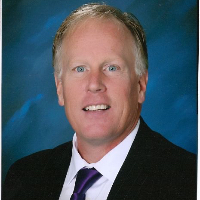
About Michael
Michael Rhine is a licensed mental health counselor in Washington with 27 years of experience. He meets people where they are and helps them face stress, anxiety, addiction struggles, mood changes, and parenting challenges. He keeps sessions practical and straightforward so busy people can use what they learn right away.
He uses a mix of approaches to fit each person. That can include cognitive behavioral work to spot and change unhelpful thinking, acceptance and commitment ideas to clarify values and take steps toward them, and client-centered listening that focuses on what matters to the client.
Background and approach
Sessions are warm and interactive, with respect and sensitivity at the center of the relationship. Michael has helped people with trauma and adverse childhood experiences, grief, workplace strain, and problems tied to addiction. He also helps with caregiver stress, codependency, fatherhood issues, and navigating separations.
Practical coping skills and short-term goals are common parts of his work. People often come for help with self-esteem, anger, relationship struggles, or figuring out life purpose. He combines evidence-based techniques with attention to emotions and attachment patterns.
The aim is to build skills, reduce distress, and support clearer choices. New clients begin by describing their immediate concerns and goals. From there he and the client build a plan that balances skill-building, emotional processing, and real-life practice.
Michael frames therapy as a collaborative process focused on useful change.
Therapeutic approaches and how they work online
Acceptance and Commitment Therapy, or ACT, focuses on clarifying what matters most and taking small steps toward those values while learning to live with difficult thoughts. This approach can help with anxiety, depression, and life transitions. Cognitive Behavioral Therapy, or CBT, looks at the link between thoughts, feelings, and behaviors and teaches practical techniques to change patterns that keep problems going. It is useful for anxiety, depression, and stress management. Client-Centered Therapy emphasizes listening, empathy, and creating a safe space so clients can find their own solutions and build self-understanding.Finding the right approach is part of the work. The therapist will talk with each client about goals, preferences, and what has or hasn’t helped before. Together they decide which approach or combination feels most helpful and adjust it as progress is made.
Online sessions are offered as video calls, phone sessions, live chat, or text-based messaging to fit different needs. Video works well when visual cues and face-to-face conversation matter. Phone sessions are helpful when bandwidth is limited or a shorter check-in is needed. Live chat and messaging let clients share brief updates, try skills between sessions, or have ongoing support without scheduling a full call. These options make it easier to keep therapy consistent around work, family, and daily life.
Frequently asked questions
What kinds of concerns does Michael help with?
What is his therapeutic style like?
How long has he been practicing?
Where is he licensed and based?
Which languages are offered for sessions?
What session formats are available?
How is cost handled?
How do I begin working with him?
Specialties and expertise
Top specialties
Also works with
- ADHD
- Anger management
- Attachment issues
- Career difficulties
- Caregiver issues and stress
- Coaching
- Codependency
- Compassion fatigue
- Coping with life changes
- Depression
- Divorce and separation
- Drug and alcohol addiction
- Family conflicts
- Family of origin issues
- Family problems
- Fatherhood issues
- First responder issues
- Forgiveness
- Guilt and shame
- Life purpose
- Parenting issues
- Phobias
- Post-traumatic stress
- Relationship issues
- Self esteem
- Workplace issues
Therapeutic approaches
- Experience
- 27 years
- Licensed
- Washington
- Languages
- English